When your car windows fog up, it happens because warm, moist air inside the car hits the colder glass surfaces. This makes the moisture turn into tiny water droplets, causing car window condensation. To stop this, you need to control the temperature and the amount of moisture inside your car. The main ways to do this involve using your car’s heating and cooling system (the car defroster and AC), managing air flow (car ventilation), and reducing the humidity in the air.
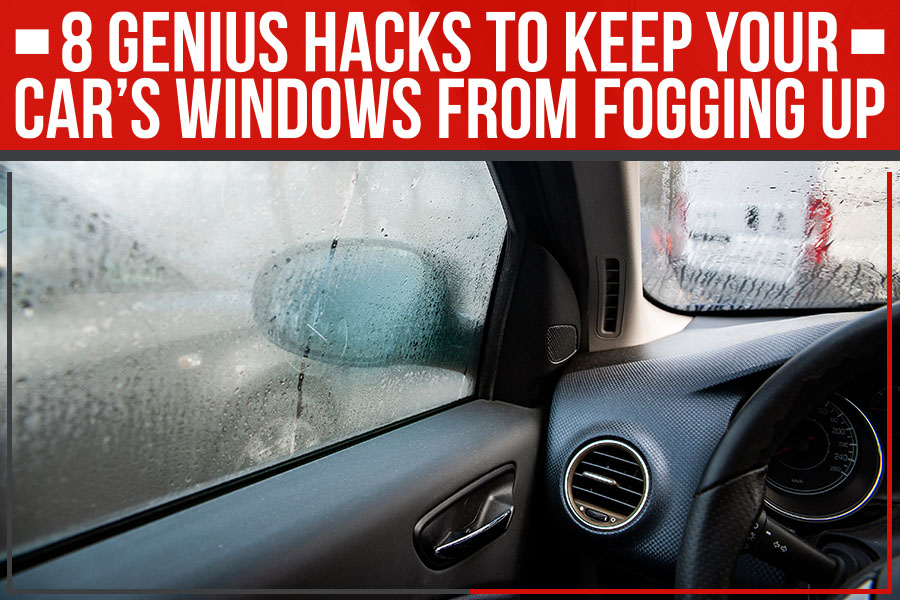
Image Source: www.yorkchryslerdodgejeepram.com
Why Your Car Windows Get Foggy
Foggy car windows are a common problem. They happen when water in the air changes state. Think of it like a cold drink on a hot day. The outside of the glass gets wet. That’s moisture from the air turning into water on the cold surface. Your car windows work the same way.
H4. Air Holds Water
The air inside and outside your car always has some water in it. We call this humidity. Warm air can hold more water than cold air.
H4. The Surface Gets Cold
When the air inside your car is warm and moist, and the window glass is cold (because the outside air is cold), the warm, moist air touches the cold glass.
H4. Water Changes State
As the warm, moist air cools quickly next to the glass, it can’t hold as much water anymore. The extra water leaves the air and sticks to the cold glass. This makes the tiny water droplets you see as fog or car window condensation.
H4. Where the Moisture Comes From
Moisture inside your car comes from many places.
* Your breath adds moisture to the air.
* Wet coats, umbrellas, or shoes bring water in.
* Drinks can add moisture.
* Even the air you let in from outside has some moisture.
When it’s cold outside, the windows get very cold. If the inside air is warm and wet, you get lots of fog. When it’s hot and humid outside and you use the AC, the outside of the windows can fog up. This happens because the glass is cold from the AC, and the hot, wet outside air hits it.
Using Your Car’s Defroster System
Your car has a system made just to clear the windows: the car defroster. It works in two main ways: front and rear.
H4. The Front Defroster
This is usually on your dashboard. It blows air onto the inside of your windshield and side windows.
* How it works: It uses your car’s heating or cooling system. You aim the air vents towards the windows.
* Using heat: In cold weather, you turn on the defroster and the heat. The warm air warms up the glass. When the glass is warm, the moisture doesn’t condense on it anymore. The warm air also helps the air inside hold more moisture, moving it away from the glass.
* Using cold: In warm, wet weather, you can also use the defroster with the air conditioner (AC). The AC is very good at taking moisture out of the air. Blowing this dry, cool air onto the windshield stops the fog and clears it quickly.
H4. The Rear Defroster
Most cars have thin lines built into the rear window glass. These are electric wires.
* How it works: When you turn on the rear defroster, electricity heats these wires. The heat warms the glass directly. This makes the moisture on the outside or inside of the rear window evaporate (turn back into invisible water vapor).
* Using it: Just press the button for the rear defroster. It usually turns off by itself after a few minutes.
H4. Tips for Using the Defroster Well
- Turn it on as soon as you see fog. Don’t wait until you can’t see.
- Make sure the vents are clear. Nothing should block the air flow to the windows.
- If you use heat, start with less fan speed until the air warms up. Then turn the fan higher to push more warm air onto the glass.
- If you use AC with the defroster, make sure the AC is on and working.
Comprehending Air Flow in Your Car
How air moves in your car is very important for preventing fog. This is called car ventilation. Your car’s air system has two main settings for where it gets air:
H4. Fresh Air Mode
In this mode, your car pulls air from outside the car. This is the best setting for dealing with fog in most situations.
* Why it helps: Fresh outside air often has less moisture than the air already built up inside your car (especially if it’s cold outside). Bringing in fresh air helps lower the humidity inside. It also helps mix the air, stopping moist air from just sitting against the cold glass.
* When to use it: Use fresh air mode almost all the time when your windows are fogging up or you want to prevent them from fogging.
H4. Recirculate Mode
In this mode, your car stops taking in outside air. It just moves the air that is already inside the car around and around.
* Why it can be bad for fog: If the air inside your car is already warm and moist (from your breath, wet clothes, etc.), recirculate mode will just keep moving that same moist air. This makes fog worse, especially in cold weather.
* When to use it: Use recirculate mode mainly in two cases:
* When the outside air is very polluted (like in a tunnel or heavy traffic with lots of fumes).
* When you are using the AC on a very hot day and want to cool the car down faster initially. Once cooled, switching to fresh air or a mix is better for long drives and preventing moisture build-up.
H4. Using Ventilation Correctly
- Always start by putting your system on fresh air mode when fog is a problem.
- Direct the air vents towards the windows.
- Increase the fan speed to move more air onto the glass.
- If using heat, the fresh air will warm up as it comes into the car.
The Power of Your Car’s AC for Fog
Many people think the AC is only for cooling the car in summer. But using car AC for fog is one of the fastest and best ways to clear foggy windows, especially the front windshield.
H4. AC Dries the Air
The air conditioner works by cooling air down a lot. As air cools, it loses its ability to hold moisture. The AC system pulls this moisture out of the air. You might see water dripping under your car on a hot day when the AC is on – that’s the moisture being removed.
H4. How AC Helps with Fog
- Removes moisture: When you turn on the AC (often linked with the defroster setting), it blows dry air onto the windows. Dry air can absorb the moisture on the glass, making the fog disappear quickly.
- Works in any temperature: You can use the AC even when the heat is on. Many cars have a defroster setting that automatically turns on the AC along with the heater. This way, you get warm dry air, which is ideal for demisting car windows in cold, wet conditions. The heat warms the glass, and the dry air picks up the moisture.
H4. How to Use AC for Fog
- Turn on your car’s fan.
- Select the defroster setting (usually shows an icon of a windshield with arrows).
- Make sure the AC button is on (often lights up when active, or it might turn on automatically with the defroster).
- Set the temperature to warm if it’s cold outside, or cool if it’s hot and humid. Remember, the AC’s main job here is drying, not just cooling. Warm, dry air works great.
- Make sure you are in fresh air mode, not recirculate.
Using the AC with the defroster is often the quickest way to clear heavy fog from the inside of the windshield.
Managing Car Interior Moisture
Preventing car window condensation means controlling the humidity control in car. The less moisture inside your car, the less there is to turn into fog on the windows.
H4. Find and Stop Moisture Sources
- Shake off wet stuff: Before getting in, shake rain or snow off coats, hats, and umbrellas.
- Clean up spills: Wipe up any spilled drinks right away.
- Check for leaks: Sometimes, water can leak into the car from windows, doors, or the sunroof seal. Look for wet spots on the floor mats or carpet. If you find a leak, get it fixed.
- Dry wet items: Don’t leave wet towels, clothes, or boots in the car for long periods.
- Clean the car: Dirt and grime on the inside of windows can give water droplets something to stick to. A clean window surface helps prevent windshield fog.
H4. Use Moisture Absorbers
You can buy products that absorb moisture from the air.
* Desiccant packs: These contain materials like silica gel that soak up water. You can place them on the dashboard, under seats, or in storage areas. They need to be dried out or replaced when they get full of water.
* Homemade options: A bowl of plain rice or charcoal can absorb some moisture, but they are much less effective than purpose-made products.
H4. Keep Floor Mats Dry
Wet floor mats are a major source of car interior moisture.
* Shake them out: Regularly take rubber mats out and shake off water or snow.
* Dry carpet mats: If you have carpet mats that are wet, take them out to dry completely outside the car. In winter, this might mean taking them inside your home to dry.
H4. Regular Cleaning
Keeping the inside of your car clean helps reduce moisture. Vacuuming carpets helps remove embedded moisture and dirt that holds water. Cleaning the windows also helps.
Using Anti-Fog Products
Sometimes, you need a little extra help to prevent windshield fog. This is where anti-fog car spray and other treatments come in.
H4. How Anti-Fog Products Work
These products create a thin layer on the glass surface. This layer makes it harder for water droplets to form. Instead of tiny droplets (which look like fog), the moisture spreads out into a thin, invisible sheet of water.
H4. Types of Products
- Sprays: You spray the product on the inside of a clean window, then wipe it evenly with a clean cloth.
- Wipes: Pre-moistened wipes that you use to clean and treat the window at the same time.
- Gels or Pastes: Apply a small amount and spread it evenly.
H4. Tips for Using Anti-Fog Spray
- Clean the window first: For the spray to work best, the window must be clean and dry. Any dirt or grime will stop the product from sticking well.
- Apply correctly: Follow the product instructions. Usually, you spray a little bit, spread it with one cloth, and then lightly buff it with another clean, dry cloth. Avoid using too much, as this can leave streaks.
- Reapply: Anti-fog treatments don’t last forever. You’ll need to reapply them every so often, especially after cleaning the windows.
- Check product type: Make sure the product is safe for car windows and any window tint you might have.
H4. Caution
Some cheaper products might leave streaks or a hazy film, especially at night with headlights. Read reviews or test a small, less visible area first. While helpful, these sprays are usually a backup to proper ventilation and using your defroster/AC.
Techniques for Demisting Car Windows
Clearing fogged windows quickly is important for safety. Here are specific techniques for demisting car windows depending on the conditions.
H4. Cold and Wet Outside
This is the most common time for fog inside the car.
1. Turn the heater on.
2. Set the fan speed to high.
3. Direct the air vents to the windshield and side windows.
4. Turn on the AC. Yes, even with the heat on. This removes moisture from the air. Your car likely has a defroster setting that does this automatically.
5. Make sure the air intake is set to fresh air, not recirculate. This brings in dryer outside air (even if it feels cold, it’s often less humid than the air you’ve breathed out).
6. Turn on the rear defroster button for the back window.
H4. Hot and Humid Outside
This is when the outside of your windows can fog up, especially when using the AC.
1. Turn on the AC.
2. Set the fan speed to high.
3. Set the air intake to fresh air. This helps match the inside and outside air temperatures better near the window surface.
4. If only the outside is fogging, you might need to lower the fan speed slightly or direct some vents away from the glass to make the glass surface less cold. This is less common than inside fogging and usually clears quickly once the AC runs for a bit.
H4. Mild but Humid Weather
When it’s not very hot or cold, but the air is damp.
1. Turn on the fan to a medium speed.
2. Turn on the AC to dry the air.
3. Use fresh air mode.
4. Direct vents towards the windows.
H4. Using Just Ventilation (No AC or Heat)
In some mild conditions, just moving air might be enough.
1. Turn the fan on.
2. Use fresh air mode.
3. Direct vents to windows.
4. This is less effective than using the AC or heat with the defroster but can help with light fog.
Allowing Outside Air In
Cracking car windows is a simple, manual way to improve car ventilation and reduce interior moisture, which helps prevent car window condensation.
H4. How Cracking Windows Helps
- Exchanges air: Opening a window even a small amount lets moist air out and fresh outside air in. This helps lower the overall humidity level inside the car.
- Balances temperature: It can also help the temperature inside the car become closer to the temperature outside near the window surface, reducing the chance of condensation.
H4. When and How to Crack Windows
- In combination: This method works best when used along with your car’s heating or cooling system and ventilation fan. Use the defroster/AC/heat and fan, and also open a window slightly.
- In rainy weather: Even in rain, opening a window a tiny bit (if your car design allows without letting rain in) can help. Many cars have vent visors above the windows that let you open them a little even when it’s raining.
- Before starting the car: If the car has been sitting and is very cold and damp inside, opening the doors or windows for a minute before you even start the engine can help air out the inside.
- Be safe: Don’t open windows wide if you are driving at high speeds or in bad neighborhoods. A small crack is usually enough.
H4. Limitations
- Cracking windows isn’t enough on its own for heavy fog. You still need to use your car’s climate controls.
- It might make the car colder in winter or less cool in summer because you are letting in outside air.
Grasping Long-Term Prevention
Beyond immediate fixes, some habits and checks can help prevent windshield fog problems from happening often.
H4. Regular Car Maintenance
- Check the cabin air filter: Your car has a filter that cleans the air coming into the cabin. If this filter is clogged with dirt and moisture, it can reduce airflow and even be a source of moisture or mold smell. Replace it according to your car’s manual.
- Check for leaks: As mentioned before, water leaks into the car will cause constant moisture problems. Check door seals, window seals, and carpets for wetness.
- Service the AC: Make sure your air conditioning system is working correctly. If it’s not cooling or drying the air well, it won’t help with fog. Get it checked and recharged if needed.
H4. Keep the Interior Clean and Dry
- Vacuum often: This removes dirt and helps lift carpet fibers, allowing them to dry better.
- Wipe down surfaces: Dust and grime on the dashboard and other surfaces can hold moisture.
- Address spills quickly: Don’t let liquids soak into carpets or seats.
- Consider rubber floor mats: These are easier to clean and dry than carpet mats.
- Air out the car: On dry days, especially sunny ones, open all the doors and windows when parked to let fresh air circulate and dry out the interior.
H4. Store Smartly
- Avoid keeping wet items like sports gear, towels, or wet floor mats inside the car for long periods.
- If you live in a very humid area, consider using a large moisture absorber designed for rooms or cars when the car is parked for a long time.
H4. Clean Windows Regularly
Clean the inside of your car windows regularly with a good glass cleaner. Dirt and films on the glass surface provide places for moisture droplets to form. A clean window stays clear longer. Use a microfiber cloth for best results and to avoid streaks.
Building a Quick Action Plan
When fog hits, especially on the windshield, you need a plan to clear it fast so you can see and drive safely.
H4. Steps for Fast Demisting
- Stay calm: Don’t panic when visibility drops.
- Turn on the front defroster: Find the defroster button or setting.
- Turn on the rear defroster: Press the button for the rear window.
- Turn on the AC: Make sure the AC is active (often happens automatically with the defroster). This is key for drying the air.
- Set the fan to high speed: Move as much air as possible onto the windows.
- Ensure fresh air mode: Change from recirculate to fresh air if needed.
- Adjust temperature: Set to warm (with AC on) if it’s cold outside, or cool (with AC on) if it’s very hot and humid outside. Warm, dry air is very effective.
- Direct vents: Make sure the dashboard vents are pointed at the side windows as well as the windshield.
- Crack a window slightly (optional but helps): If safe to do so, slightly open one or two windows to exchange air.
This combination of using the defroster, AC (for drying), high fan speed, fresh air, and possibly cracked windows is the most effective way to quickly clear car window condensation.
Summary Table of Fog Prevention Methods
Here’s a look at different methods and when they are most helpful.
| Method | How it Helps | Best For | Notes |
|---|---|---|---|
| Car Defroster (Heat) | Warms glass, helps air hold moisture | Cold weather, inside fogging | Slower if air is very wet; combine with AC for best results. |
| Car Defroster (AC) | Dries air quickly, cools humid air | All conditions, especially humid; inside fogging | Very effective when used with heat in cold weather. |
| Car Ventilation (Fresh Air) | Brings in potentially dryer outside air, moves air | Most conditions, prevent moisture build-up | Essential setting when trying to clear fog. |
| Car Ventilation (Recirculate) | Moves existing air | Avoid for fog unless outside air is bad | Traps moist air inside, usually makes fog worse. |
| Manage Interior Moisture | Reduces the source of water in the air | Long-term prevention, reduces frequency | Clean car, dry mats, check for leaks, avoid leaving wet items inside. |
| Anti-Fog Car Spray | Changes how moisture sits on glass | Backup method, helps clean glass | Apply to clean windows, reapply as needed. Not a substitute for air flow. |
| Cracking Car Windows | Lets moist air out, lets fresh air in | Helps ventilation, useful backup | Use with other methods, especially in mild or rainy weather (with visors). |
| Rear Defroster | Heats rear window directly | Rear window fogging (inside or outside) | Electric element heats glass, works well on its own. |
Frequently Asked Questions
H4. Why do my car windows fog up only when people are in the car?
People breathe out warm, moist air. More people mean more moisture added to the air inside the car. This increases humidity and makes fog more likely, especially if the car is cold. Good ventilation (fresh air, fan) is key when you have passengers.
H4. Does cleaning my windows inside really help prevent fog?
Yes. Dirt, grime, and oils on the inside of the glass give water droplets something to stick to easily. A clean, smooth surface makes it harder for the tiny water beads to form, allowing moisture to spread out into a thin, less visible layer or evaporate more easily. Regular cleaning is part of managing car interior moisture and keeping visibility clear.
H4. Should I use hot or cold air from the defroster?
In cold weather, use warm air with the AC turned on. The heat warms the glass, and the AC dries the air. Warm, dry air is the most effective for demisting car windows quickly in the cold. In very hot, humid weather, cold air from the AC can help dry the air, but setting it to recirculate will make fog worse. Always use fresh air when fighting fog.
H4. Can car leaks cause fogging?
Absolutely. If water is leaking into your car, it soaks into the carpet or collects in hidden spots. This water then evaporates slowly, adding a constant source of moisture to the interior air. This significantly increases humidity control in car problems and leads to frequent car window condensation. Finding and fixing leaks is crucial for long-term fog prevention.
H4. What if my car has automatic climate control?
Automatic climate control systems are designed to manage temperature and humidity. When your windows fog, pressing the “Auto” button or the defroster button usually engages the right settings (like fresh air, AC, and directing air to the windows) to clear the fog for you. Make sure the system isn’t stuck on recirculate.
H4. Is cracking windows enough in light fog?
For very light fog, cracking a window can sometimes help by letting some moist air out. But for any significant fogging that affects visibility, you need to use your car’s defroster and ventilation system (fan, fresh air, and especially the AC for drying the air) along with cracking windows.
H4. How often should I reapply anti-fog spray?
It depends on the product and how often you clean your windows. Some last a few weeks, others longer. If you clean your windows, you’ll need to reapply the spray. If you notice fogging starting to happen on a treated window, it’s time to put another coat on after cleaning. It’s a supplemental tool, not a magic bullet.
Conclusion
Dealing with car window fog is mostly about managing moisture and air flow inside your vehicle. By using your car’s defroster (both front and rear), understanding how fresh air ventilation works, actively using your AC to dry the air, keeping your car’s interior dry, and cleaning your windows, you can effectively stop car window condensation and maintain clear vision for safe driving. Knowing these methods, especially the powerful effect of using the AC with the defroster and keeping it on fresh air mode, will help you demist car windows quickly and keep them clear.