How long does air conditioning last in a car? A car’s air conditioning system can often last for the entire life of the vehicle, typically ranging from 10 to 15 years or even longer with good care. The average lifespan car ac system depends on many things, like how well you take care of it, where you drive, and the quality of the parts. With the right maintenance, you can greatly improve your car air conditioning longevity.
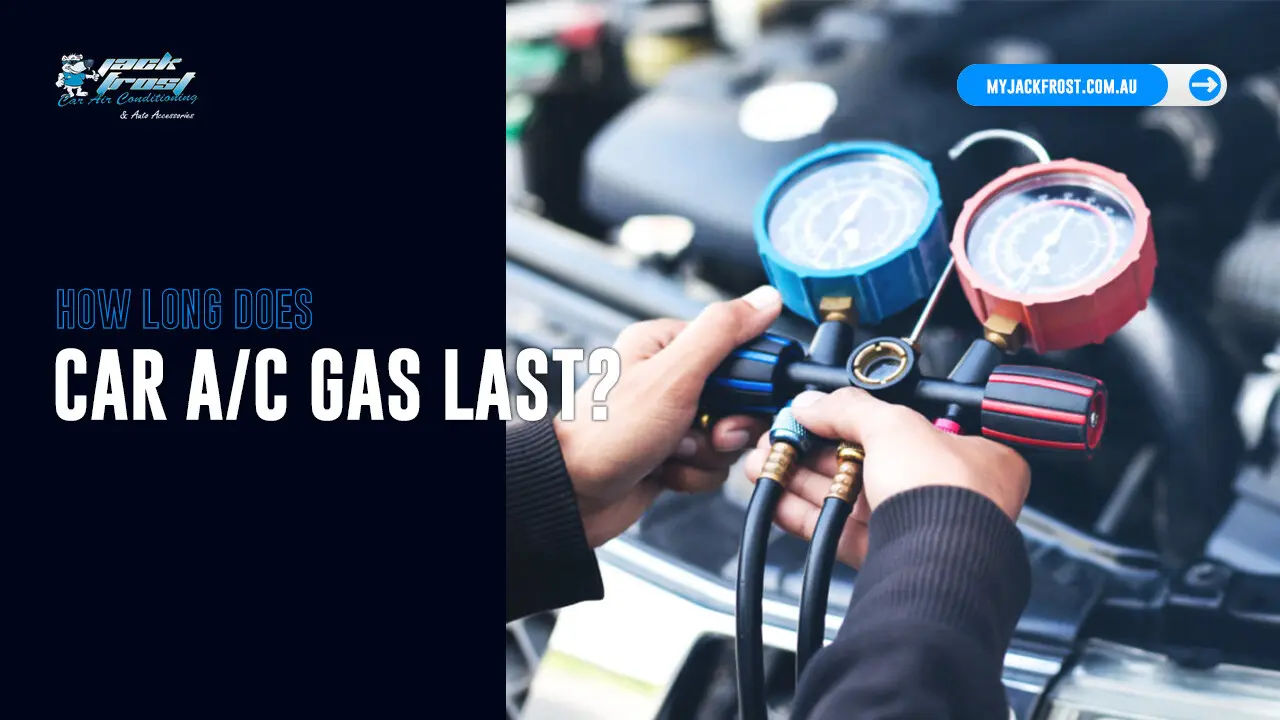
Image Source: myjackfrost.com.au
What Makes Up Your Car’s Cool Air System?
Before we talk about how long your AC lasts, let’s look at what it is. Your car’s AC system is a group of parts that work together. They take warm air from inside your car, make it cold, and blow it back in. Think of it like a small refrigerator for your car.
Here are the main parts:
- Compressor: This is like the engine of the system. It squeezes a special gas (refrigerant) to make it hot and high-pressure. The car ac compressor lifespan is often a big factor in how long the whole system lasts.
- Condenser: This part is usually near the front of your car, often by the radiator. It cools down the hot gas from the compressor, turning it into a liquid.
- Expansion Valve (or Orifice Tube): This part controls how much liquid refrigerant goes into the next part. It drops the pressure of the liquid.
- Evaporator: This is inside your car’s dashboard. The low-pressure liquid turns back into a gas here. This process takes heat from the air blowing over the evaporator fins, making the air cold.
- Refrigerant: This special chemical moves through the system. It changes between gas and liquid states, carrying heat away from the cabin. A car ac refrigerant leak means this chemical is escaping, and the system can’t cool properly.
- Receiver/Dryer or Accumulator: This part stores liquid refrigerant and removes moisture from the system. Moisture is bad for AC parts.
Decoding the Expected Life of Your Car’s AC
How long should you expect your car’s AC to work? As mentioned, the average lifespan car ac system is often 10 to 15 years. However, many factors influence car air conditioning longevity. Some systems fail sooner, maybe after just 7 or 8 years, especially if not cared for. Others can last 20 years or more in well-maintained vehicles driven in mild climates.
It’s not usually one big part failing all at once. Often, it’s a slow process. Seals can get old and leak, leading to a car ac refrigerant leak. The compressor works hard and can wear out. Hoses can crack. Electrical parts can fail.
So, while 10-15 years is a good estimate for the system needing major work or parts replacement, minor issues can pop up sooner. Regular checks and maintenance are key to reaching the higher end of that lifespan.
Factors Affecting Car AC Life
Many things play a role in how long your car’s AC system lasts. Knowing these can help you take better care of your system and extend car ac lifespan.
Vehicle Age and How Much it’s Driven
Older cars often have parts that are wearing out. Seals dry up, metal parts get tired, and hoses become brittle. The more miles a car has driven, the more the AC system has been used, leading to wear and tear. A car with 200,000 miles will likely have an AC system closer to the end of its average lifespan car ac system than a car with 50,000 miles, even if they are the same age.
Driving Conditions and Climate
Where you drive makes a big difference.
- Hot Climates: If you live somewhere very hot, your AC works harder and longer. This extra work puts more stress on the compressor and other parts.
- Humid Climates: High humidity also makes the system work harder to remove moisture from the air. This can increase wear.
- Salty Environments: Driving near the ocean where there is salt in the air, or in places where salt is used on roads in winter, can cause corrosion on metal parts like the condenser and pipes.
- Stop-and-Go Traffic: Driving mostly in the city with lots of stops means the AC system doesn’t always get the best airflow over the condenser compared to highway driving. This can make it less efficient and work harder.
How Often You Care for It
This is perhaps the biggest factor you control. Skipping regular maintenance means small problems, like a tiny car ac refrigerant leak, can become big, expensive ones. Following a maintenance schedule and knowing how often service car ac is recommended by your car’s maker is vital for car air conditioning longevity. Dirty cabin filters, low refrigerant, and lack of lubrication all shorten the system’s life.
Quality of the AC Components
The quality of the parts installed from the factory matters. Cars from reputable manufacturers often use higher-quality components designed to last. If parts have been replaced with cheap aftermarket parts, their lifespan might be shorter than the original parts. The car ac compressor lifespan, especially, varies based on quality.
The Presence of Leaks
A car ac refrigerant leak is a common problem and a major factor affecting car ac life. Refrigerant is not “used up” like oil. If your AC is blowing warm air because it needs refrigerant, it means there’s a leak somewhere. Leaks not only cause the AC to stop cooling, but they can also let moisture and contaminants into the system. This can damage the compressor and other parts, greatly shortening the system’s life.
Grasping the Signs of Trouble
Your car’s AC system will usually give you warnings before it completely fails. Paying attention to these signs of failing car ac can help you fix problems early, potentially saving you money and extending the system’s life.
Warm Air Blowing Out
The most obvious sign is when your AC is set to cold, but it’s blowing air that is just cool, warm, or even hot.
- Why it happens: This is often due to low refrigerant levels, likely caused by a car ac refrigerant leak. It could also mean a problem with the compressor not building pressure, or an electrical issue.
Weak Airflow
The air coming from the vents might be cool, but the amount of air feels much lower than usual.
- Why it happens: A common cause is a clogged cabin air filter. This is a simple fix. It could also be a problem with the blower motor (the fan that pushes air) or blockages in the ductwork.
Strange Noises When AC is On
Hearing odd sounds when your AC is running is not normal.
- Clicking or Clunking: Might come from the compressor clutch engaging or failing.
- Grinding or Squealing: Could point to issues inside the compressor itself, signaling the end of its car ac compressor lifespan.
- Hissing: Could be the sound of refrigerant leaking, especially right after turning the car off.
Bad Smells
If the air from your vents smells moldy, musty, or just plain bad, it’s a sign of trouble.
- Why it happens: Moisture can build up on the evaporator, creating a place for mold, mildew, and bacteria to grow. This isn’t directly about the system’s cooling ability but is a sign of moisture issues that can affect parts over time.
Visible Leaks
Sometimes, you might see puddles under your car that aren’t water from the normal condensation drip.
- Why it happens: Refrigerant oil (a lubricant that travels with the refrigerant) or other fluids might be leaking from hoses, seals, or connections. A visible leak is a clear sign of a car ac refrigerant leak and needs immediate attention.
Deciphering the Cost to Repair Your Car AC
Repairing a car AC system can range from cheap to quite expensive, depending on what part has failed. Knowing the typical cost to repair car ac issues can help you plan.
Simple Fixes: Often Lower Cost
- Recharging Refrigerant: If there’s just a small leak or very low levels, a simple recharge might cost $150 – $300. But remember, if it needed a recharge, there’s a leak that should also be fixed, which adds cost.
- Replacing Cabin Air Filter: This is usually $50 – $100 if done at a shop, much less if you do it yourself.
- Fixing a Small Leak: Repairing a hose or a seal might cost $200 – $500, plus the cost of recharging the system.
Moderate Fixes: Mid-Range Cost
- Replacing the Condenser: If the condenser is damaged (like from a rock hit) or corroded, replacing it can cost $400 – $900 or more, plus refrigerant.
- Replacing the Evaporator: This is often more labor-intensive as it’s inside the dashboard. Costs can range from $600 to $1,200 or higher.
- Replacing Hoses or Lines: Depending on which hose and how hard it is to reach, this can be $200 – $600 or more.
Expensive Fixes: Higher Cost
- Replacing the Compressor: This is often the most expensive AC component to replace. The car ac compressor lifespan is a key factor in long-term cost. Replacing a compressor can cost anywhere from $800 to $2,000 or even more, depending on the car’s make and model and the shop’s labor rates. This cost includes the part, labor, and recharging the system.
- Multiple Component Failure: If the compressor failed and sent debris through the system, other parts like the condenser, expansion valve, and dryer might also need replacing and flushing. This can easily exceed $2,000 and go much higher.
Table: Estimated Cost Ranges for Common AC Repairs
| Repair Item | Estimated Cost Range (Parts & Labor) | Notes |
|---|---|---|
| Refrigerant Recharge | $150 – $300 | Often indicates a leak needs fixing too. |
| Cabin Air Filter Change | $50 – $100 | Simple, impacts airflow & smell. |
| Fix Small Refrigerant Leak | $200 – $500+ | Varies based on leak location and part. |
| Condenser Replacement | $400 – $900+ | Can be damaged by road debris. |
| Evaporator Replacement | $600 – $1200+ | Often requires removing dashboard. |
| Compressor Replacement | $800 – $2000+ | Most expensive component; car ac compressor lifespan varies. |
| Full System Overhaul | $1500 – $3000+ | Needed if compressor fails badly or major leaks. |
Note: These are rough estimates. Actual costs vary greatly by vehicle make/model, location, and repair shop.
The cost to repair car ac problems highlights why maintaining car ac is important. Catching a small leak early is much cheaper than replacing a failed compressor and potentially other parts contaminated by its failure.
Focusing on the Car AC Compressor Lifespan
The compressor is often seen as the heart of the AC system. It’s a complex mechanical part that works under high pressure and temperature. Its lifespan heavily influences the overall average lifespan car ac system.
The car ac compressor lifespan typically ranges from 8 to 12 years, but like the whole system, this varies greatly. A compressor might fail sooner if:
- System is Low on Refrigerant: Refrigerant carries oil that lubricates the compressor. If refrigerant leaks out (car ac refrigerant leak), the compressor doesn’t get enough oil and can seize up or wear out quickly.
- System is Contaminated: Moisture or debris in the system can damage the compressor’s internal parts.
- Lack of Use: Not running the AC for long periods can cause seals to dry out, leading to leaks and potential compressor damage when it is finally used.
- Overuse/Hard Use: Constant use in extreme heat puts stress on the compressor.
When a compressor fails, it’s a major repair. Sometimes, the compressor fails “internally,” sending tiny pieces of metal throughout the system. If this happens, the entire system needs to be flushed, and potentially other parts replaced, making the cost much higher. This is why addressing a car ac refrigerant leak promptly is crucial – it protects the compressor.
Keeping Your AC Running Longer: Maintaining Car AC
Good maintenance is the best way to achieve high car air conditioning longevity and extend car ac lifespan. It helps prevent expensive breakdowns and keeps your system working well for many years.
Regular Service and Inspection
How often service car ac? Most experts and car manufacturers recommend having your AC system checked professionally every 1 to 2 years. This check isn’t just about refilling refrigerant. It involves:
- Checking system pressures.
- Looking for signs of leaks using special tools or dye.
- Inspecting hoses, belts (that power the compressor), and electrical parts.
- Checking the compressor’s operation.
- Measuring vent temperature to ensure proper cooling.
These checks can spot small issues, like a minor car ac refrigerant leak or a worn belt, before they cause major damage.
Addressing Leaks Quickly
If you notice any signs of failing car ac, especially warm air, get it checked for a car ac refrigerant leak right away. Don’t just “top off” the refrigerant. If there’s a leak, simply adding more is a temporary fix and the refrigerant will soon escape again. The system is losing refrigerant and the vital lubricant it carries, which puts the compressor at risk. Fixing the leak is essential to protect the most expensive part.
Running the AC Regularly
Even in cold weather, run your AC for about 10 minutes every couple of weeks. Use the defrost setting, which often activates the AC compressor (it helps dry the air). This keeps the compressor’s seals lubricated with the oil that circulates with the refrigerant. Seals can dry out and crack if not used, leading to leaks.
Replacing the Cabin Air Filter
Many modern cars have a cabin air filter that cleans the air entering the cabin, including the air used by the AC system. A clogged filter reduces airflow and can make the blower motor work harder. Check your car’s manual for how often to replace it, usually every 15,000 to 30,000 miles or once a year. It’s a simple, cheap task that helps maintain car ac efficiency and airflow.
Cleaning the System
Over time, mold, mildew, and bacteria can grow on the evaporator, causing bad smells. Special cleaning products can be used to clean the evaporator and air ducts. Some shops offer this as a service. Keeping the system clean helps maintain air quality and can indirectly help parts last longer by preventing moisture issues.
DIY vs. Professional AC Care
Some AC maintenance tasks are easy for car owners, others require special tools and knowledge.
What You Can Do Yourself
- Checking for visible signs of leaks (puddles, oily residue).
- Listening for strange noises.
- Checking vent airflow.
- Replacing the cabin air filter (usually easy).
- Visually inspecting hoses and belts (with the engine off!).
When to Go to a Professional
- Any time the system isn’t cooling properly.
- If you suspect a car ac refrigerant leak. Refrigerant is a chemical that needs to be handled safely and legally.
- When you hear strange noises from the compressor area.
- For regular system pressure checks and inspections (how often service car ac checks are done).
- For any repair involving opening the refrigerant system (like replacing parts).
Professional technicians have the right equipment to safely recover refrigerant, check for leaks accurately, diagnose complex electrical issues, and perform repairs correctly. Trying to fix a complex AC issue yourself can be dangerous and lead to more expensive damage.
Interpreting Why Systems Fail
Most car AC systems don’t just suddenly stop working for no reason. Their failure is usually a result of:
- Age and Wear: Parts simply wear out over time, especially seals and the mechanical compressor. This is a natural part of the average lifespan car ac system.
- Lack of Lubrication: Caused by a car ac refrigerant leak, which means lost oil, leading to compressor failure. This is a very common failure mode.
- Contamination: Moisture or debris entering the system, often through a leak, corrodes parts and damages the compressor.
- Electrical Issues: Problems with sensors, relays, or the control module can prevent the system from turning on or working correctly.
- Physical Damage: The condenser is often hit by road debris. Hoses can be damaged during other engine repairs or from heat/vibration.
Understanding these common failure points helps reinforce why proactive maintenance is key to achieving good car air conditioning longevity.
Conclusion
So, how long does air conditioning last in a car? While the average lifespan car ac system is often cited as 10 to 15 years, this isn’t a strict rule. Some last longer, some fail sooner. Car air conditioning longevity depends heavily on a mix of factors including the car’s age, driving conditions, component quality, and most importantly, how well the system is maintained.
Paying attention to the signs of failing car ac – warm air, weak airflow, strange smells, or noises – can alert you to problems early. Addressing issues like a car ac refrigerant leak promptly is critical to protect expensive components like the compressor and keep the cost to repair car ac low.
By understanding how often service car ac is needed (typically every 1-2 years for an inspection), running your AC regularly, changing the cabin filter, and fixing any issues quickly, you can significantly extend car ac lifespan. Regular maintenance is not just about fixing things when they break; it’s about preventing problems and ensuring your car’s AC provides comfortable, cool air for as long as possible.
Frequently Asked Questions (FAQ)
H4: Is It Normal for Car AC to Stop Working After 5 Years?
No, it’s generally not normal for a car AC system to completely stop working after only 5 years, unless there’s a defect or it has been poorly maintained. While minor issues could arise, the main components, especially the compressor (car ac compressor lifespan is longer than 5 years usually), are designed to last much longer. If your AC fails this early, it’s worth investigating if it was a defect or if maintenance was missed.
H4: Does Not Using My Car AC Make It Last Longer?
Actually, no. Not using your car AC for long periods can shorten its life. The refrigerant carries oil that lubricates the compressor’s seals. If the system isn becomes inactive, these seals can dry out, potentially leading to a car ac refrigerant leak when you try to use it again. It’s better to run your AC briefly every few weeks, even in winter, to keep the parts lubricated.
H4: How Can I Tell If My Car AC Just Needs a Recharge or Has a Leak?
If your AC is blowing warm air and has gotten steadily warmer over time, it likely has a car ac refrigerant leak. Refrigerant does not get “used up”; if levels are low, it has escaped. A professional AC service uses special tools to check for leaks and will find the source before recharging the system. Simply adding refrigerant without fixing the leak is a temporary solution and can harm the compressor if it’s losing lubricant.
H4: Is It Cheaper to Repair or Replace a Car AC System?
Replacing the entire AC system (compressor, condenser, evaporator, etc.) is usually only done if the car is getting a complete restoration. For most failures, repairing the specific broken part is much cheaper than replacing the whole system. The cost to repair car ac varies greatly depending on which part is broken. A simple leak fix is cheap, a compressor replacement is expensive, but still less than replacing every single component. Good maintenance helps avoid the need for costly full replacements.
H4: What is the Average Lifespan of a Car AC Compressor?
The car ac compressor lifespan typically falls between 8 to 12 years. However, this can be shorter or longer based on system maintenance, whether the system maintains proper refrigerant levels (meaning no leaks), and the quality of the original part or any replacement parts used. It’s often the most expensive part to replace.
H4: Does Regular Flushing Help Car AC Longevity?
Some mechanics recommend an AC system flush if there’s been a major failure, like a compressor breakdown that sent debris into the lines. This cleans contaminants out of the system before installing new parts. As preventative maintenance, a full system flush isn’t typically part of a standard service unless there’s a specific issue. Regular checks and fixing leaks are more crucial for overall car air conditioning longevity.