When you press the gas pedal to speed up, you expect your car to move smoothly and quietly. But sometimes, a strange noise starts up as you go faster. This noise can be worrying. What makes a car noisy when you accelerate? It could be several things. The sound might come from the engine working harder. It could be an issue with the exhaust system under the car. Problems inside the transmission, which changes gears, can also cause noise. Even something simple like a worn belt or a small leak in a hose can make sounds when you push the gas. Let’s explore the most frequent reasons behind these noises.
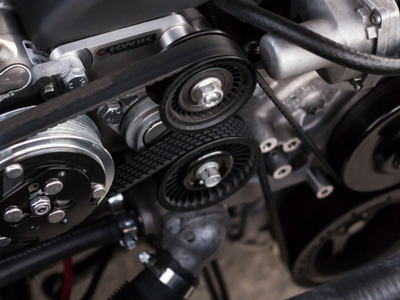
Image Source: www.alexandersimportautorepair.com
Sounds From Your Engine
Your car’s engine is a complex part. It makes the power to move you. When you ask for more power by pressing the gas, the engine works harder. A healthy engine makes a smooth sound. If you hear loud or odd engine noise accelerating, it is a sign something is wrong. This sound often gets louder as you speed up or press the gas harder.
Why Your Engine Might Be Loud
There are many tiny parts inside the engine. These parts move very fast. They need oil to stay smooth. If parts wear out or the oil level is low, they can rub together. This rubbing makes noise. A loud sound just from the engine when you go faster needs attention.
A Ticking or Knocking Sound
Listen closely. Do you hear a sound like tapping or sharp raps? This could be engine knocking accelerating. Some people call it pinging. It happens when you push the gas. This sound tells you that the fuel inside the engine is not burning right.
Fuel should burn at a very specific moment. Knocking happens when the fuel burns too early. This is called pre-ignition. Or it might burn unevenly after the spark plug fires. This is called detonation. Both pre-ignition and detonation are bad for the engine. They put extra stress on parts like the pistons.
What causes the fuel to burn incorrectly?
* Low Octane Fuel: Using gasoline with a lower octane rating than your car needs is a common reason. Octane helps fuel burn smoothly. If the rating is too low for your engine’s needs, it can cause knocking.
* Carbon Buildup: Over time, dirt can build up inside the engine. This carbon can get very hot. These hot spots can make the fuel ignite before the spark plug fires.
* Timing Issues: The engine’s timing is very important. The spark plugs must create a spark at just the right time. If this timing is off, it can lead to knocking.
* Overheating: An engine that is running too hot can also cause fuel to burn too soon, leading to knocking.
A sensor in your car listens for this sound. It is called the knock sensor. It tells the engine’s computer about the knocking. The computer tries to fix it, maybe by changing the timing a little. But if the knocking is bad, it means there is a real problem that the computer cannot fix alone. Ignoring engine knocking accelerating is risky. It can seriously damage parts inside the engine, like pistons. This can lead to very expensive repairs. If you hear this sound when you push the gas, have your car checked quickly.
Less Power With Noise
Sometimes, the bad sound comes along with the car not speeding up well. You press the gas pedal, the noise gets louder, but the car does not gain speed as it should. This might be loss of power car noise.
This means the engine is having trouble making enough power. The noise is a symptom of this struggle. Why does this happen?
* Not Enough Fuel: The engine needs the right amount of fuel. If the fuel pump is weak, the fuel filter is clogged, or the fuel injectors are dirty, the engine might not get enough fuel. This can cause it to run rough and make noise, especially when you need more power.
* Not Enough Air: Engines need air to burn fuel. An air filter that is very dirty or a problem with the air intake system means the engine cannot breathe right. This limits power and can cause strange sounds.
* Bad Spark Plugs or Coils: Spark plugs ignite the fuel. If they are old or dirty, they might not make a strong spark. This means the fuel doesn’t burn completely. Ignition coils send power to the spark plugs. If a coil is bad, the spark plug in that cylinder won’t work. This makes the engine run poorly and lose power, often with noticeable noise or shaking.
* Catalytic Converter Blocked: As we will discuss later, the catalytic converter cleans exhaust fumes. If it gets clogged, it blocks the flow of exhaust gas out of the engine. This makes the engine struggle, causes a loss of power car noise, and can even damage the engine.
* Internal Engine Damage: Serious noise along with a big loss of power car noise can mean there is serious damage inside the engine, like worn piston rings or a damaged cylinder.
Anytime noise comes with less power when accelerating, it is a serious sign. Get it looked at right away.
Sounds From the Exhaust System
Your car’s exhaust system takes the hot, dirty air from the engine and sends it out the back. It also helps make the engine quieter and cleans the air before it goes outside. The system includes pipes, a muffler, and a catalytic converter. Problems here often cause noise when you speed up because more exhaust gas is flowing.
A Rattling Sound Under the Car
Do you hear a loose rattling sound? This might be an exhaust system rattling. This noise often happens when parts of the exhaust are loose.
* Broken Hangers: The exhaust system hangs from the car’s body by rubber hangers. These can break or wear out. If a hanger breaks, a pipe might hang low or hit another part of the car. When you accelerate, the engine moves more, shaking the exhaust system and making it rattle against the car body or frame.
* Loose Clamps or Bolts: Pipes in the exhaust system are joined with clamps or bolts. If these get loose, the pipes can shake and rattle.
* Damage to Pipes: Exhaust pipes can get bent or damaged, especially if you hit something under the car. A bent pipe might touch another part and rattle when the car moves or vibrates more during acceleration.
* Internal Muffler Issues: Sometimes, parts inside the muffler break loose. These pieces can rattle around inside the muffler itself. This leads to muffler noise when accelerating, which might include rattling along with being louder than usual.
The rattling might start small and get louder as you drive. It is usually not an emergency, but it is best to fix it before a pipe falls off completely.
Loud Noise From the Back
The muffler is a main part of the exhaust. Its job is to quiet the loud sound of the engine’s exhaust. If the muffler has a hole or is broken inside, the car will sound much louder. A loud roar coming from the back of the car, especially when you press the gas, is likely muffler noise when accelerating.
* Rust: Mufflers are made of metal. Over time, they can rust, especially in places where roads are salted in winter. Rust can make holes in the muffler. Even small holes make the car louder. Big holes make it sound like a race car.
* Internal Parts Broken: Mufflers have baffles and chambers inside that reduce sound. These internal parts can break loose or rust away. This makes the muffler less effective at silencing noise and can also add rattling sounds (exhaust system rattling or muffler noise when accelerating with rattles).
Fixing a loud muffler is important not just for noise but also because exhaust fumes contain harmful gases. A leaking exhaust system can let these gases into the car cabin.
A Rattle From the Catalytic Converter
The catalytic converter is another key part of the exhaust system. It sits under the car, usually in the middle. Its job is to turn harmful gases in the exhaust into less harmful ones. Inside the converter is a honeycomb-like structure made of ceramic. This structure holds special materials that help clean the fumes.
* Broken Internal Matrix: If the engine is not running right, or if the converter gets old, the ceramic structure inside can break apart. These broken pieces rattle around inside the metal case of the converter. This makes a sound like loose rocks or pebbles shaking in a tin can. This is a classic catalytic converter rattle acceleration noise. It is often heard clearly when you start the car or when you speed up.
* Clogged Converter: A damaged converter can also become clogged. This blocks exhaust flow, causing a loss of power car noise and hurting engine performance.
A catalytic converter rattle acceleration means the converter is failing. It is not cleaning the air and might be restricting exhaust flow. This needs to be replaced.
Sounds From the Transmission
The transmission is what changes gears in your car. It helps send power from the engine to the wheels. It has many moving parts and uses special fluid. Issues with the transmission can cause noise, especially when it is under load during acceleration.
A Whining Sound
Do you hear a high-pitched sound that gets louder as you speed up? This might be a transmission whine when accelerating.
* Low or Old Fluid: The transmission fluid is very important. It cools and lubricates the moving parts. If the fluid level is low, or if the fluid is old and dirty, the parts are not protected well. This can cause them to whine.
* Worn Gears or Bearings: Inside the transmission, there are gears and bearings that help shift gears smoothly. If these parts get worn out, they can make a whining sound. The sound might change depending on which gear the transmission is in.
* Torque Converter Problems: In automatic transmissions, the torque converter sends engine power to the transmission. Problems with the torque converter can cause whining or other strange noises when accelerating.
A transmission whine when accelerating is a sign that the transmission needs checking. Ignoring it can lead to more serious problems and costly repairs.
A Grinding Noise
A rough, scraping, or grating sound when you accelerate is a serious noise. This could be a car grinding noise acceleration. While grinding can sometimes come from worn brake pads (though usually when stopping), it can definitely come from the transmission.
* Low Fluid (Severe): If the transmission fluid is very low, metal parts can rub directly against each other without any cushion or cooling. This causes grinding.
* Broken Gears or Parts: If a gear tooth breaks off, or another part inside the transmission fails, it can cause metal-on-metal grinding.
* Clutch Issues (Manual Transmission): In cars with manual transmissions, a worn or damaged clutch can cause grinding noises, especially when shifting gears during acceleration. However, a constant grinding while just pressing the gas could mean something else is wrong inside the gearbox itself.
A car grinding noise acceleration is a bad sign. It usually means parts are being damaged as you drive. Do not drive the car far if you hear this sound. Get it looked at immediately to prevent total transmission failure.
Sounds From the Belts
Cars use belts to run many important parts. The main one is often called the serpentine belt. This long, winding belt powers things like the water pump (keeps the engine cool), the alternator (charges the battery), the power steering pump (helps you turn), and the air conditioning compressor.
A Squealing Sound
A very common sound when you speed up is a loud, high-pitched squeal. This is often serpentine belt squealing acceleration.
* Worn or Cracked Belt: Belts are made of rubber. Over time, rubber gets old, hard, and cracked. An old belt does not grip the pulleys it runs on well. It slips, causing a squeal.
* Loose Belt: The belt needs to have the right tightness. If it is too loose, it will slip, especially when it has to work harder as the engine speeds up. A part called a tensioner keeps the belt tight. If the tensioner is bad, the belt can become loose.
* Bad Pulleys: The belt runs around several wheels called pulleys. If a pulley is dirty, bent, or the part it is attached to is seizing up (like an alternator or power steering pump), the belt can slip and squeal as it tries to turn it.
* Water: Sometimes, driving through a puddle can cause the belt to squeal briefly. This is just water making it slip for a moment. But a constant squeal is a problem.
Serpentine belt squealing acceleration should be fixed. A squealing belt is losing grip. It is not running the other parts as well as it should. If the belt breaks completely, the car will stop working. The engine will overheat, the battery will die, and you will lose power steering.
Sounds From Air or Vacuum Leaks
Your engine needs the right mix of air and fuel. It uses vacuum (low air pressure) in certain systems to work correctly. Hoses and gaskets make up these systems and must be sealed tight.
A Hissing or Sucking Sound
A leak in one of these hoses or where parts join can cause a strange sound. You might hear a vacuum leak noise accelerating.
* Cracked or Loose Hoses: Vacuum hoses are usually made of rubber or plastic. Over time, they can get old, hard, crack, or come loose. Air gets sucked into the system through the crack, making a hissing or sucking sound.
* Bad Gaskets: Gaskets seal the join between two parts, like the intake manifold and the engine. If a gasket leaks, air can get in.
* Leaking Intake Manifold: The intake manifold distributes air to the engine cylinders. If it cracks or its gaskets fail, it can cause a vacuum leak.
The vacuum leak noise accelerating might get louder when you push the gas pedal because the engine is pulling more air. Vacuum leaks can cause the engine to run rough, especially at idle. They can also lead to a loss of power car noise, poor gas mileage, and even turn on the check engine light.
Other Possible Sources of Noise
Not all noises during acceleration come from the engine, exhaust, transmission, belts, or vacuum system. Here are a few other things to think about:
Noises From the Wheels
- Wheel Bearings: These parts help your wheels spin freely. If a wheel bearing goes bad, it often makes a humming, grinding, or growling noise. This noise usually gets louder as the car goes faster, regardless of whether you are accelerating or just cruising. Sometimes it changes when you turn the steering wheel. While not tied only to acceleration, it is speed-dependent noise.
Noises Related to Brakes
- Brake Shield: There is a thin metal shield behind the brake rotor. This shield protects parts from heat and debris. It can get bent and rub against the rotor. This might make a scraping sound that changes with wheel speed. Sometimes it is heard more when moving, including accelerating.
- Brake Caliper Not Releasing: The brake caliper pushes the brake pads onto the rotor to stop the car. If a caliper or its piston sticks, the brake pad might stay slightly pressed against the rotor even when you are not braking. This causes a scraping or rubbing sound that is present while the wheel is turning, including during acceleration.
Finding Where the Sound Comes From
Hearing a noise is the first step. The next step is figuring out what it is and where it comes from.
* When does it happen? Does the noise only happen when you are actively pushing the gas? Does it stop when you let off the gas? Does it happen at a certain speed? Does it only happen when the engine is cold or hot?
* What does it sound like? Is it a high-pitched whine? A deep rumble? A sharp knock? A scraping grind? A loose rattle? A loud squeal? A hissing sound?
* Where does it seem to come from? Is the noise under the hood? Under the car? From the front or the back? Does it sound like it is from one side?
Thinking about these questions can help narrow down the possibilities. For example, a sound under the hood that squeals when you step on the gas is likely a belt. A rattle from the middle or back underneath the car might be the exhaust or catalytic converter. A whine that changes with speed and gear could be the transmission.
What To Do When Your Car Is Loud
Do not ignore strange noises from your car, especially when accelerating. Some noises are minor, but many mean a part is failing. A small problem can become a very big, expensive one if not fixed.
- Safety First: If the noise is loud, new, or comes with a loss of power car noise, it might not be safe to drive. A grinding sound, bad knocking, or severe loss of power could mean serious damage is happening or is about to happen. Pull over safely and consider having the car towed.
- Get it Checked: Have a trusted mechanic listen to the noise. Describe to them exactly when and how you hear the sound. Your description is a big help in figuring out the cause.
- Early Fix Saves Money: Fixing a worn belt is cheap. Replacing a catalytic converter is more. Rebuilding a transmission is very expensive. Addressing the noise early, when the part is just starting to fail, is often much cheaper than waiting until it breaks completely and causes more damage.
Keeping Your Car Running Quietly
Regular care helps prevent many of these noises from starting.
* Follow Service Schedule: Change your engine oil and other fluids (like transmission fluid) on time. Clean fluids protect parts better.
* Inspect Belts and Hoses: Look at your serpentine belt for cracks or fraying. Check hoses for cracks or looseness. A mechanic can check belt tension during service.
* Listen to Your Car: Pay attention to the sounds your car normally makes. You will notice strange new noises sooner.
* Address Warning Lights: A check engine light can come on for reasons that also cause noise or loss of power, like vacuum leaks or catalytic converter issues.
Frequently Asked Questions
Is it safe to drive if my car makes noise when accelerating?
It depends on the noise. A very loud grinding, banging, or engine knocking accelerating means you should stop driving soon. A light rattle or squeal might let you drive to a mechanic, but it is still best to get it checked quickly. Do not take chances with noises that seem serious or sudden.
Will the noise just go away on its own?
Usually not. Most noises mean a part is worn out or broken. The problem causing the noise typically gets worse over time, not better. It is like a squeaky shoe; it will keep squeaking until you fix it or it falls apart.
How much will it cost to fix a noise when accelerating?
The cost varies a lot. Replacing a loose exhaust clamp might cost very little. Replacing a worn serpentine belt is a moderate cost. Fixing a bad catalytic converter is more expensive. Repairing or replacing a transmission or fixing major internal engine issues costs the most. Only a mechanic checking the car can give you a real price.
Can low engine oil cause noise when accelerating?
Yes. Low engine oil is very bad for the engine. Oil keeps metal parts from rubbing hard against each other. If the oil level is low, parts can rub and make noise, often a ticking, clattering, or knocking sound that gets worse when the engine is working harder during acceleration. Driving with low oil can destroy the engine.
Does the type of car matter for these noises?
Yes and no. All cars have engines, exhaust systems, transmissions, and belts. So, the types of noises (knocking, rattling, whining, squealing) can happen in almost any car. However, how common certain problems are can differ by car make, model, and age. Some cars might be known for certain transmission issues, while others might have exhaust systems that tend to rust faster.
Wrap Up
Strange noises when you step on the gas pedal mean your car needs attention. It could be a simple fix or something more serious. Listen carefully to the sound. Note when and where it happens. This information is helpful. Then, take your car to a trusted mechanic. Fixing noises early can help prevent bigger problems and keep your car running well and safely for a long time. Don’t let a little noise turn into a major breakdown.