Image Source: towingandscrapcarremoval.ca
Can I Junk A Car With A Lien On It? How to Handle It
Can you junk a car with a lien? Usually, no. You generally cannot junk a car if a bank or lender still holds a lien on its title. The lender legally owns part of the car until the loan is fully paid. Junk yards need a clear title. They need proof you own the car outright before they give you money for it. This means you must deal with the lien first.
When a car has a lien, it means someone else has a legal claim to it. Most times, this is the bank that gave you the car loan. They put the lien on the title. This lien stays there until you pay off the loan fully. If you want to junk your car, you must get the lien removed. This needs talking to the lender and settling the loan. You cannot just give a junk yard a car with a bank lien on it. They won’t take it without the lien holder’s ok. This is because the lien holder still has rights to the car’s value.
Grasping What a Car Lien Means
Think of a car loan like this: The bank helps you buy the car. They give you money. To make sure you pay them back, they put a special note on the car’s ownership paper. This paper is called the title. This note is the lien. It tells everyone that the bank has a claim on the car.
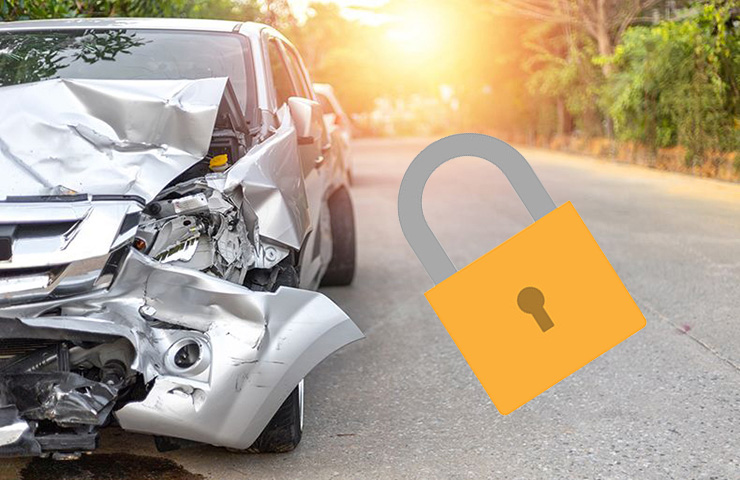
The lien means the bank is a part-owner of the car until you pay back all the money you owe. They keep the title or electronic record of it. You cannot sell the car or scrap it without their say-so. The lien protects the bank. It makes sure they get their money back, even if you can’t pay. The lien is like a lock on the car’s value. Only the bank can unlock it by removing the lien.
Why People Think About Junking a Car with a Lien
Life happens. Cars get old. They break down. Sometimes, fixing a car costs more than the car is worth. This is true even if you still owe money on it.
Here are some reasons people might want to junk a car with a lien:
- Bad Damage: The car was in a bad crash. Repair costs are very high.
- Big Mechanical Problems: The engine or transmission broke. Fixing it costs a lot.
- Car is Very Old: The car is worn out. It has lots of small problems. These problems cost more and more to fix.
- Car Value Dropped: The car is not worth much anymore. But you still owe a lot on the loan. This is called being “upside down” or having negative equity.
- Need Money: The car is broken and not used. But you still make payments. You might want to get some money from it, even if it’s just scrap value. This is common when selling damaged car with loan.
In these cases, the car might not be worth selling to a regular buyer. Its only value might be for parts and scrap metal. That is where junking comes in. But the lien makes it tricky. You still owe the bank money, even if the car does not run.
Interpreting Why Junking Is Hard with a Lien
Junking a car is like selling it for its metal and parts value. The place that buys it (a junk yard or salvage yard) needs to own the car fully. They need to know they can do what they want with it. They need to crush it or sell its parts without anyone else having a claim.
This is why they need the car’s title. Not just any title, but a clean title. A clean title shows that you own the car fully. It shows there are no liens on it.
When you have a lien on the title, the junk yard sees that the bank has a claim. They cannot take the car because they would not own it fully. If they took the car and crushed it, the bank could still ask for their money. The bank could say, “Hey, our property was destroyed, and we weren’t paid!”
So, the main problem is the title. The lien holder (the bank) usually holds the actual title or controls the electronic title record. They will not give you a clean title until the loan is paid off. The process of junking car with title lien cannot move forward until this title issue is solved. The junk yard needs that clean title.
Deciphering Legal Rules and Car Liens
Car liens are part of legal rules about property and debt. Each state has laws about vehicle titles and liens. These laws say who has rights to a car when there is a loan. They make sure lenders are protected.
These laws mean:
- The lien holder (like the bank) has a legal right to the car.
- You cannot legally transfer ownership of the car without the lien holder’s OK.
- You cannot destroy or dispose of the car without the lien holder’s OK.
- If you try to sell or junk a car without dealing with the lien, you could face legal trouble.
This is why you cannot bypass the lien holder when junking car with outstanding loan. The law is on their side. Any place that buys cars legally, like a licensed junk yard, will follow these laws. They will ask for proof that you own the car free and clear.
Handling the Lien: What Are Your Choices?
Dealing with the lien is the most important step. You have a few main ways to handle it. These choices often depend on how much money you owe versus how much the car is worth. They also depend on your own money situation.
H4 Paying Off the Car Loan Before Junking
This is the simplest way to clear the lien. If you have the money, you can pay off the rest of the car loan.
Here is how this works:
- Find the Payoff Amount: Contact your lender. Ask for the exact payoff amount for your loan. This is usually more than your regular balance. It includes interest up to the payoff date.
- Make the Payment: Pay the full amount. Use a certified check or wire transfer. Make sure the payment arrives by the payoff date given by the lender.
- Get the Lien Release: Once the loan is paid in full, the lender will send you a lien release. This is a document or electronic notice. It proves you paid off the loan and the lien is removed. This is a key step for getting a lien release for junk car.
- Get the Clean Title: The lender will then send you the car’s title. The title will either show the lien is removed, or they will send you a new title without the lien listed. Sometimes, you have to take the lien release to your state’s DMV (Department of Motor Vehicles) to get a new title without the lien.
- Now You Own It Free and Clear: With the clean title in hand, you now fully own the car. You can do whatever you want with it. This includes junking it.
This path, paying off car loan to junk it, makes everything easy. You have the clean title. You can then take the car to any junk yard. They will buy it from you because you have proof of ownership. Clear lien before junking car is the most direct method.
However, this is often hard. Many people who want to junk a car do not have extra money. They might be “upside down,” owing more than the car is worth. Paying off a large loan just to scrap a car for a few hundred dollars is not possible for everyone.
H4 Working with the Lien Holder
What if you cannot pay off the whole loan? This is common when selling damaged car with loan or junking car with outstanding loan. You must talk to the lender. Do not just stop paying. Do not just abandon the car. This can hurt your credit badly. The lender can also try to get the car back (repossess it).
Contact the bank or loan company. Explain your situation fully. Be honest. Tell them:
- The car is broken or damaged.
- Fixing it costs too much.
- The car’s value is low, maybe lower than the loan amount.
- You want to dispose of the car (junk it or scrap it).
- You are asking for their help or permission.
The lender might have options, though they are not always easy:
- Negotiate a Settlement: They might agree to take less than the full loan amount. This is more likely if the car is worth very little. They might think getting some money now is better than getting nothing later. If you reach a deal, you pay the agreed amount. Then they issue the lien release for junk car. You can then get the clean title and junk the car. This is a form of selling car with a lien holder where the “sale” is to the junk yard for scrap, after settling with the bank.
- Voluntary Repossession: You can offer to give the car back to the lender. This is called voluntary repossession. It still hurts your credit. But it is often better than forced repossession. The lender takes the car. They might try to sell it at auction. The money they get is put towards your loan balance. You will still owe the difference between the loan amount and what they sold the car for. This is called a “deficiency balance.” You would need to pay this balance. Once the balance is zero, you owe nothing. You do not get money from the car, and you still might owe money. This does not involve junking, but it gets the car out of your hands and deals with the lien.
- Allowing Sale “As Is”: In rare cases, they might let you sell the car “as is” for parts or scrap. They would want the money from the sale to go directly to them. This could reduce your loan balance. You would still owe any money left on the loan. This is tricky. Most buyers (even junk yards) want a clean title right away. Getting the bank to agree to this requires direct talks.
- Loan Restructuring: They might offer to change your loan terms. This could lower your monthly payments. This does not help you junk the car, but it might make keeping the loan less painful while you figure things out.
Talking to the lender is key for selling car with a lien holder when the car is damaged or low value. They are businesses. They want to get back as much money as possible. Showing them the car has little value might help them agree to a deal.
H4 Selling the Car with the Lien (Not Common for Junking)
Normally, if you sell a car with a lien, the buyer pays off the lien holder directly as part of the sale. The buyer gives the money to the bank. The bank gives the lien release to the buyer or you. Then the title is transferred clean.
This is not typical for junking. Junk yards pay very little for a car. This amount is almost always much less than the loan amount. A junk yard will not pay off your car loan for you. So, selling a junk car to a junk yard in the usual way a car is sold with a lien is not possible. The junk yard buyer would have to pay off your loan to get a clean title. That doesn’t make sense for them when buying a scrap car.
Interpreting How Junk Yards Handle Cars with Liens
This is a critical point. Can junk yards accept cars with liens? The simple answer for most legal, above-board junk yards is no.
Here is why:
- They Need Clear Ownership: Junk yards buy cars to break them down for parts and scrap metal. To do this legally, they must be the full owner of the car.
- Title is Proof of Ownership: The car’s title is the legal document showing who owns the car.
- Lien on Title: A lien on the title means someone else (the lender) has a claim to the car. The person trying to sell it (you) does not fully own it yet.
- Risk for the Junk Yard: If a junk yard takes a car with a lien, the lien holder could come after them later. The bank could say, “You took our property (the car) without our permission. We want the money owed on the loan!” This is a legal risk junk yards avoid.
- Processing the Car: When a junk yard crushes a car or sells major parts, they need to report this. They need to show they had the right to do this. The clean title is their proof. Without it, they cannot legally scrap the car.
Some places might offer to buy a car without a title or with a lien. But these are often not licensed, real junk yards. They might be shady operators. Dealing with them can lead to legal problems for you. A proper junk yard will always ask for the title. If it has a lien, they will require proof the lien is removed before they pay you or take the car.
So, do not expect to call a junk yard and just hand over a car with a lien. They will ask about the title. When you say there is a lien, they will tell you that you need to get a lien release for junk car first. This means clearing the lien yourself.
Deciphering the Process: Steps if You Can Clear the Lien
Let’s say you can pay off the loan, or you worked out a deal with the lender. Here are the steps you would likely follow to clear lien before junking car and then junk it:
H4 Step 1: Contact Your Lien Holder
- Call your bank or loan company.
- Explain you want to pay off the loan to clear the lien.
- Ask for the exact “payoff amount.” Get this in writing.
- Confirm the date by which you must pay this amount.
- Ask how they send the lien release after payment. Ask if they send the title or if you need to get it from the DMV.
H4 Step 2: Pay Off the Loan
- Make the payment for the full payoff amount.
- Use a payment method that is fast and trackable (like a wire transfer or certified check).
- Make sure the payment arrives by the deadline given by the lender.
H4 Step 3: Get the Lien Release
- Wait for the lender to process the payment. This can take a few days.
- They should send you a lien release. This might be a paper document or an electronic notice to your state’s DMV.
- If you do not get it in a reasonable time (ask the lender how long it takes), follow up with them.
H4 Step 4: Obtain the Clean Title
- Once the lien is released, you need the car’s title.
- The lender might mail you the paper title.
- Or, the lender might tell the state DMV the lien is off. You might need to go to the DMV. Take the lien release paper if you got one. Apply for a new title that shows no lien. This new title shows you are the full owner. This is part of the title transfer car with lien junking process – the lien must be removed before the title can be cleanly transferred to the junk yard.
H4 Step 5: Find a Junk Yard
- Now that you have the clean title, you can contact junk yards.
- Get quotes from a few different places. Prices can vary.
- Tell them the year, make, model, and condition of the car. Mention you have the title.
H4 Step 6: Junk the Car
- Choose the best offer.
- Schedule a pickup time or drive the car there if it runs.
- Sign over the clean title to the junk yard.
- Get paid!
This path is possible only if you can clear the lien first. It is the proper and legal way to handle junking car with outstanding loan.
What If You Are Upside Down on the Loan?
This is a tough spot. It means you owe more money on the car loan than the car is worth, even for scrap. This is common with selling damaged car with loan or cars that are old but still have a few years left on the loan.
If you are upside down:
- Junking the car for its scrap value will not pay off the loan.
- You will still owe the remaining loan amount after giving the car to the junk yard (if the lender allowed it, which they usually don’t unless you pay off the difference).
In this case, paying off car loan to junk it might mean finding extra money to cover the amount the car value does not cover.
Example: You owe $5,000. The car is worth $300 for scrap.
If you want to junk it by paying off the loan, you need to find $5,000. You pay the bank $5,000. You get the title. You sell the car to the junk yard for $300. You are still out $4,700 (the $5k paid minus the $300 received).
This is why many people in this situation cannot just junk the car. They must talk to the lender about other options, like a settlement or voluntary repossession, even if it means still owing money afterward.
Alternative Paths If You Can’t Just Junk It
If you cannot pay off the loan and cannot get the lender to agree to let you junk it, what else can you do?
- Keep Paying the Loan: If possible, keep making payments until the loan is paid off. Then you can junk the car with a clean title. This might take time but avoids major credit issues.
- Sell for Parts (with Lien Holder OK): If the lender agrees, you might be able to sell useful parts of the car. The money would go to the lender. This is complex and unlikely to pay off the loan.
- Donate the Car (with Lien Holder OK): Some charities accept car donations. But if there is a lien, the charity needs the lien holder to agree. The charity must often pay off the lien or a part of it that is less than the car’s market value. This is usually only an option if the car is worth more than the loan amount, or if the loan is small and the car’s donation value is high. It is very rare for a junk car with a lien.
- Negotiate with the Lender Again: Keep talking to them. Explain your hardship. See if they have any other programs or ideas.
Avoiding the problem is the worst option. Do not just stop paying. Do not just leave the car somewhere. This will hurt your credit and can lead to legal problems with the lender.
Risks of Ignoring the Lien
Trying to junk a car without telling the lien holder or getting the lien removed carries serious risks:
- Legal Action: The lender can take legal action against you for not paying the loan. They can also sue you for getting rid of their property (the car) without their permission.
- Credit Damage: Not paying your car loan will severely damage your credit score. This makes it hard to get loans, credit cards, or even rent an apartment later.
- Deficiency Balance: If the lender has to repossess the car and sell it for less than you owe, they can sue you for the remaining balance (the deficiency).
- Trouble with Junk Yards: Any reputable junk yard will turn you away because you do not have a clean title.
- State Penalties: Some states might have penalties for improperly disposing of a vehicle, especially one with an active lien.
It is always best and safest to deal with the lien legally and properly.
Compiling Information Needed
When you contact your lien holder, have this info ready:
- Your account number.
- Your car’s VIN (Vehicle Identification Number).
- Your current loan balance (though they will give you the payoff amount, having your balance helps).
- Your reason for calling (e.g., “I need the payoff amount to clear the lien and dispose of the vehicle”).
When you contact junk yards (after clearing the lien), have this info ready:
- Year, make, model of the car.
- Car’s condition (does it run? Is it damaged?).
- Car’s location.
- That you have the clean title.
Final Thoughts on Junking a Car with a Lien
The key takeaway is clear: You generally cannot junk a car if there is an active lien on the title. The lien holder, usually the bank, has legal rights to the vehicle. Junk yards need a clean title to prove they own the car outright before they can scrap or sell it.
To legally junk a car with a lien, you must deal with the lien first. This almost always means paying off car loan to junk it and getting a lien release for junk car. Once the loan is fully paid, the lender removes the lien and gives you the clean title. With the clean title in hand, you are free to junk the car with any reputable junk yard.
If you cannot afford to pay off the loan, you must contact the lien holder. Talk to them about your situation. They might work with you on a settlement, though this is not guaranteed. Ignoring the lien or trying to get rid of the car without the lender’s consent will likely lead to legal and financial trouble.
Always handle vehicle liens properly. It protects you and makes sure the process of junking car with title lien is done the right way. Clear lien before junking car is the necessary first step.
FAQ
H3 Frequently Asked Questions
H4 Can I sell a scrap car with bank lien?
No, you usually cannot sell a scrap car if a bank still has a lien on it. The bank needs to be paid off or agree to the sale first. A buyer, even a junk yard, needs a clean title, and you cannot provide that with a lien.
H4 Will a junk yard buy a car with a loan on it?
Almost all legal, licensed junk yards will not buy a car that still has a loan on it. They require a clear title showing no outstanding liens. They need to be sure they fully own the car.
H4 How do I get a lien release for a junk car?
You get a lien release the same way you would for any car: by paying off the full amount owed on the car loan. Once the loan is paid, the lender will send you a document or electronic notice called a lien release.
H4 What is the process of junking a car with a title lien?
The process involves first dealing with the title lien. You must contact the lien holder, pay off the loan (or negotiate a settlement), get the lien release, and obtain a clean title. Only then can you take the car and the clean title to a junk yard to sell it for scrap.
H4 What happens if I just stop paying on a car loan for a broken car?
If you stop paying, the lender can take legal action. They can try to repossess the car. They can also sue you for the full amount owed, plus fees. This will severely damage your credit score.
H4 Can I junk a car if I am upside down on the loan?
You can junk it only if you first clear the lien. If you are upside down, paying off the loan means paying the full amount owed, which is more than the car is worth for junk. You would have to use your own money to cover the difference.
H4 What paperwork do I need to junk a car with a lien?
To legally junk a car that had a lien, you need the car’s title. The title must show that the lien has been removed, or you need a separate document from the lender (a lien release) and possibly a new title from the DMV showing no lien. You will give the junk yard the clean title.
H4 Can I sell parts from a damaged car with a loan?
Legally, the lien holder (the bank) has a claim on the entire car, including its parts. You should not remove and sell parts without the lender’s permission. This could be seen as damaging their property or reducing its value. Talk to the lender first.
H4 Does the state help if I want to junk a car with a lien?
State DMVs manage vehicle titles and liens. They enforce the rules about transferring ownership with a lien. They will not allow you to junk a car (which requires transferring ownership) if there is an active lien on file, unless the lien is properly released. They do not typically help you negotiate with your lender.
H4 Is there a special rule for junking car with outstanding loan if the car doesn’t run?
No, the car’s condition (running or not) does not change the rules about the lien. If there is a loan and a lien on the title, you must deal with the lien holder regardless of whether the car works. The lien is on the legal ownership, not the car’s physical state.