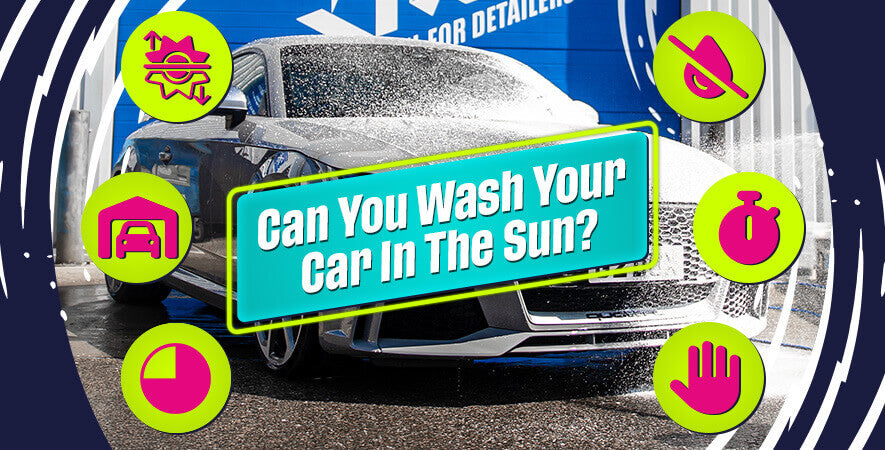
Image Source: www.duelautocare.co.uk
The Truth About Washing Your Car In The Sun
Can you wash your car in the sun? Simply put, yes, you can wash your car in the sun, but it’s generally a bad idea if you care about how your car looks. Washing your car under direct sunlight, especially on a hot day, causes many problems that can harm your car’s paint and make it look bad. This happens because the sun’s heat speeds up how fast water and soap dry on the car’s surface.
Washing your car seems simple. Get soap, get water, and clean the dirt off. But doing this simple job under the hot sun can lead to lasting harm. The heat makes things dry super fast. This fast drying is the main reason why washing your car in the sun is risky. It causes several annoying issues that are hard to fix later.
Let’s look closely at what goes wrong when you try a hot weather car wash and how you can keep your car looking its best by choosing the right time and place to clean it. Learning the best way to wash your vehicle can save you time and money in the long run by protecting your car’s finish.
Why Washing In The Sun Is A Problem
When sunlight hits your car’s surface, it makes the surface hot. Water and soap dry very quickly on a hot surface. This speedy drying leads to several bad things.
The Quick Drying Trouble
Imagine putting water on a hot pan. It bubbles and turns to steam right away. The same thing happens, just slower, on your hot car paint. The water dries before you can rinse it all off. Soap and minerals in the water get left behind.
Water Spots Appear Fast
One of the most common problems is water spots on car paint. Water is not just pure H₂O. It has tiny bits of minerals in it, like calcium and magnesium. These are the same minerals that can build up in your shower or coffee maker.
When water dries slowly, the minerals are left behind, but they might spread out thinly. But when water dries fast on a hot surface, the water turns into gas (evaporates) quickly. The minerals don’t turn into gas. They stay stuck on your car’s paint surface in the shape of the water drop. They look like little white rings or spots.
These spots can be hard to remove later. They can even dig into the clear coat, which is the top layer of paint that protects your car’s color. If they dig in, they can cause permanent car paint damage.
Drying Soap Residue
Another big issue is drying soap residue. Car wash soap is made to lift dirt and hold it so it can be rinsed away easily. But if the soap dries on the hot paint, it leaves a film or streaky marks.
This drying soap residue is difficult to rinse off once it has baked onto the hot surface. You might need to wash that part again, but washing a hot surface again just makes the problem worse. The soap residue can dull your paint’s shine and make your car look dirty even after you just washed it. It can also trap dirt against the paint, which could cause tiny scratches when you try to remove the dried soap.
Risk of Scratches
Washing a hot car can also increase the chance of scratching the paint. Dirt sticks more stubbornly to a hot, drying surface. When you use your wash mitt on a hot panel, you might be rubbing dried-on dirt and soap residue into the paint. This is like rubbing sandpaper on your car.
Also, if your wash mitt or drying towel is not perfectly clean, or if you drop it and pick up tiny stones, those stones can cause scratches more easily on a hot surface because the soap and water aren’t staying wet enough to lubricate the surface properly.
Comprehending The Heat’s Effect
The science behind why heat is bad for washing is simple. Heat makes things dry faster. Here’s how it affects the car wash process:
- Soap: Car soap is made to work best when it stays wet on the surface. It needs time to break down dirt and wrap around it. When the surface is hot, the soap dries too quickly. It doesn’t get enough time to do its job well. Instead, it becomes a sticky mess.
- Water: Water carries dirt and soap away during rinsing. If the water dries before it runs off the car, it leaves everything behind. This is where water spots and soap residue come from.
- Paint Surface: Hot paint is more sensitive. It can react differently to chemicals in the soap. Over time, repeated washing on a hot surface can make the clear coat dull, fade, or even crack. This leads to serious car paint damage.
Think of it like washing dishes. If you let soapy water dry on a plate, you get spots and residue. But if you rinse it while it’s still wet, everything washes away cleanly. A hot car surface is like a plate that dries instantly.
Grasping The Ideal Wash Conditions
So, if washing in the sun is bad, what is the best way? The key is to control the drying process. You want the water and soap to stay wet until you are ready to rinse them off completely.
Wash Your Car In Shade
The very best place to wash your car is in the shade. This could be under a tree, in a garage or carport, or on the shady side of a building. The shade keeps the car’s surface much cooler. A cooler surface means water and soap dry much slower.
Washing in the shade gives you more time to work. You can wash one section of the car, rinse it thoroughly, and move to the next section without worrying about everything drying instantly.
Best Time To Wash Vehicle
If you don’t have shade, the next best thing is to choose the right time of day. The best time to wash vehicle is usually early morning or late afternoon/early evening.
- Early Morning: Before the sun gets high in the sky and starts beating down with full force. The air is often cooler, and the car’s surface will be cooler from sitting overnight.
- Late Afternoon/Evening: After the hottest part of the day has passed, and the sun is lower. Make sure you have enough light to see what you’re doing and to dry the car properly before it gets dark.
Avoid washing your car in the middle of the day, especially during the summer months when the sun is strongest and temperatures are highest.
Temperature Matters
It’s not just about direct sunlight. Very hot air temperature can also cause quick drying, even in the shade. If it’s an extremely hot day (say, above 85-90°F or 30-32°C), even shade might not be enough. The metal of the car holds heat. On such days, you might need to postpone the wash or take extra steps to keep surfaces wet.
How To Avoid Water Spots And Other Issues
Knowing the risks is the first step. The next is knowing how to avoid them. Here are key steps and techniques to prevent water spots on car paint and drying soap residue, especially if you can’t avoid washing in warmer conditions entirely.
Prepare Properly
- Gather Everything: Have all your supplies ready before you start. Buckets, wash mitts, soap, hose, drying towels, etc. You don’t want to stop washing to go find something, as this gives water and soap time to dry.
- Pre-Rinse: Always rinse the car thoroughly with plain water first. This removes loose dirt and cools the surface slightly. Spray from the top down.
- Use Two Buckets: This is a classic technique to prevent scratches. Have one bucket with soapy water and one bucket with clean rinse water. Dip your wash mitt in the soap, wash a small area, then rinse the mitt in the clean water before dipping it back into the soap bucket. This keeps dirt out of your soap water.
- Work in Sections: Don’t soap up the whole car at once. Wash one small section (like one fender, or a door) and rinse it completely before moving to the next section. Start from the top and work your way down.
Use The Right Products
- Car Wash Soap: Use a soap made for cars. Dish soap (like Dawn) can strip wax and protective coatings, leading to dull paint over time. Car wash soaps are pH-balanced and designed to be gentle on paint and rinsable.
- Soft Wash Mitts/Sponges: Use soft materials like microfiber wash mitts or natural sea sponges. Avoid household sponges or brushes that can scratch paint.
- Proper Drying Towels: This is crucial for preventing water spots. Use soft, absorbent microfiber drying towels or a chamois. Have several ready, as one towel might not be enough for a whole car.
Master Car Drying Techniques
Drying is arguably the most important step to avoid water spots. As soon as you finish rinsing a section or the whole car, you must dry it quickly and completely before water has a chance to air dry.
- Towel Drying: This is the most common method. Gently wipe the surface with a clean, dry microfiber towel. Fold the towel often to expose a dry side. Use multiple towels if needed. Work from top to bottom. Avoid rubbing hard; let the towel absorb the water.
- Blowing Water Off: You can use a leaf blower (make sure it’s clean and doesn’t blow dirt) or a dedicated car dryer/blower to blow water out of cracks, crevices, and off panels. This is very effective but might require finishing with a towel for streak-free results.
- Sheeting: With a gentle flow of water from a hose (no spray nozzle, just the open end), let a sheet of water flow over a panel. This can help pull remaining water off the surface. It works best on waxed or sealed cars where water beads well. You’ll still need to towel dry afterward.
No matter which method you use, dry quickly after rinsing. Don’t let water sit.
Hot Weather Car Wash Tips If You Can’t Avoid The Sun
Sometimes, you just have to wash your car when it’s warm or sunny. If this is the case, you need to be extra careful and take extra steps.
- Wet Everything Down Often: Keep the entire car wet as much as possible, especially the parts you aren’t actively washing or rinsing. Spray plain water over panels that are starting to dry. This is a race against the sun.
- Work Even Faster in Smaller Sections: Break the car down into even smaller areas. Wash a quarter panel, rinse it, and dry it immediately before moving to the next small area. Speed and focus are key.
- Use Cooler Water: If possible, use cooler water. While it won’t stop drying entirely, it can slightly lower the surface temperature. Avoid using extremely cold water on a very hot surface, as rapid temperature changes could potentially stress the paint, though this is less common than drying issues.
- Consider Rinsing Aids: Some products, like drying aids or spray waxes applied during the final rinse, can help water sheet off the surface better, making drying easier and reducing spots.
Alternate Ways to Clean Your Car
If washing with a hose and buckets in the sun seems too risky, there are other cleaning methods that use less water and can be better suited for warmer conditions or when shade isn’t available.
Rinse-Free Car Wash
A rinse-free car wash system uses a special solution that you mix with water in a bucket. You soak a microfiber towel in the solution, wring it out, and wipe down a panel. The solution has polymers that lift dirt and surround it, making it safe to wipe off without scratching.
After wiping a panel with the wet towel, you immediately follow up with a dry microfiber towel to buff it clean. There is no rinsing required with a hose. This method uses very little water (often just a couple of gallons for the whole car).
Because you are wiping and drying one small section at a time right away, and because there’s no flowing water to dry and leave spots, a rinse-free wash is much safer to do in warmer temperatures or even direct sunlight than a traditional hose wash. However, it’s best for cars that are not heavily caked in mud.
Waterless Car Wash
Waterless car wash sprays are similar to rinse-free but often come in a spray bottle. You spray the solution onto a panel, let it sit for a moment, and then wipe clean with a microfiber towel. You usually follow with a second dry towel to buff.
Like rinse-free washes, they are good for lightly dirty cars and allow you to clean small areas quickly, reducing the chance of drying issues. They are generally safe in sunlight, but you still need to work fast in small sections.
Quick Detailer Spray
A quick detailer spray is not usually meant for cleaning a dirty car. It’s more for touching up a clean car, removing light dust, fingerprints, or fresh bird droppings. It can be used after washing to boost shine and help with final drying/buffing.
You can also use a quick detailer spray and a microfiber towel to safely remove fresh water spots that might appear during drying, provided they haven’t had time to etch into the paint. Spray the spot, let the detailer soak for a second, and gently wipe away. Quick detailers are often safe to use in the sun for small touch-ups, but don’t try to clean a whole dirty car this way, as you risk scratching.
Long-Term Car Paint Damage
Ignoring the risks of washing in the sun isn’t just about temporary spots. Repeated exposure of your paint to these harsh drying conditions can cause long-term damage.
- Etching: Water spots, especially from hard water, contain minerals that are slightly acidic. On a hot surface, this etching process happens faster. Over time, these spots can permanently eat into the clear coat, leaving dull marks that can only be removed by polishing (which removes a layer of clear coat) or even repainting.
- Oxidation: Heat speeds up oxidation. While modern clear coats protect paint much better than older single-stage paints, constant exposure to heat and harsh conditions can still accelerate the breakdown of the clear coat, leading to a dull, chalky appearance.
- Reduced Lifespan of Protection: Waxes, sealants, and ceramic coatings protect your paint. Washing on a hot surface with harsh products or allowing soap to dry can strip away these protective layers faster, leaving your paint exposed to the elements.
Preventing these issues is much easier and cheaper than fixing them. Taking a little extra time to wash your car in shade or during cooler parts of the day, and using proper techniques, will keep your car’s paint looking glossy and protected for years.
Step-by-Step Guide To Washing Your Car Right (Even If It’s Warm)
Let’s put it all together into a simple process:
h4 Step 1: Pick the Right Spot and Time
- Find a shady area if possible.
- If no shade, aim for early morning or late evening.
- Check the temperature. If it’s extremely hot, consider waiting for a cooler day or using a rinse-free method.
h4 Step 2: Gather Your Gear
- Two buckets (one for soap, one for rinsing mitt).
- Quality car wash soap.
- Soft wash mitts (have at least two).
- Plenty of clean, absorbent microfiber drying towels.
- Hose with a spray nozzle (adjustable is good).
- Optional: Wheel cleaner, wheel brush, quick detailer spray.
h4 Step 3: Prep the Car
- Rinse the entire car thoroughly with water to remove loose dirt and cool the surface. Pay extra attention to wheel wells and lower panels.
- If using wheel cleaner, apply it now (usually works best on dry or damp wheels) following product instructions, and rinse wheels before washing the rest of the car. Wheels are often the dirtiest part.
h4 Step 4: Wash in Sections
- Fill one bucket with water and car soap. Fill the other with plain water.
- Start at the top of the car (roof).
- Dip your wash mitt into the soap bucket.
- Wash a small section using straight-line motions, not circles (circles can create swirl marks).
- Rinse your dirty mitt in the clean water bucket.
- Dip the clean mitt back into the soap bucket.
- Immediately rinse the section you just washed thoroughly with the hose. Ensure all soap is gone. Use the spray nozzle to blast away dirt and soap.
- Move to the next section and repeat: Wash, rinse mitt, dip in soap, rinse section.
- Work your way down the car, saving the dirtiest parts (lower panels, front bumper) for last.
h4 Step 5: Dry Quickly and Completely
- As soon as a section is rinsed, dry it immediately using a clean microfiber towel.
- Start drying from the top and work down. This way, water dripping down doesn’t create new spots on areas you’ve already dried.
- Use multiple towels as needed. Switch to a fresh, dry towel when one gets too damp to absorb water effectively.
- Open doors, trunk, and hood edges carefully to wipe away trapped water that could drip out later.
- Use a quick detailer spray during drying if desired. Spray a little on the panel, then dry as usual. It can help prevent streaks and boost shine.
h4 Step 6: Final Touches (Optional)
- Use a quick detailer spray for any final buffing or to fix any tiny spots you missed.
- Clean windows with a glass cleaner.
- Dress tires with a tire shine product.
Table: Risky vs. Recommended Wash Conditions
| Feature | Risky Conditions | Recommended Conditions | Why It Matters |
|---|---|---|---|
| Sunlight | Direct sun | Shade | Sun heats surface, causes fast drying. |
| Temperature | Hot (e.g., 80°F/27°C and up) | Mild (e.g., 40-70°F / 4-21°C) | Heat speeds up evaporation. |
| Time of Day | Midday (10 am – 4 pm) | Early morning / Late afternoon | Sun is less intense, surface is cooler. |
| Surface Temp | Car body feels warm or hot | Car body feels cool to the touch | Directly impacts drying speed of water/soap. |
| Water Type | Hard water (high minerals) | Soft water (lower minerals) | Hard water leaves more visible, etching spots. |
| Wind | Windy | Calm | Wind speeds up drying even in shade. |
Deciphering Why Drying Is So Important
We keep coming back to drying because it’s the final defense against water spots on car paint. Even if you wash in the shade, on a warm day, water will eventually dry if left on the surface. The goal is to remove the water before the minerals in it can settle and stick to the paint.
Poor car drying techniques are a major cause of bad wash results. Using old, non-absorbent towels, not having enough towels, or letting the car air dry are all ways to invite water spots.
Think of drying as completing the wash process. Rinsing removes the loosened dirt and soap. Drying removes the water that would otherwise leave the minerals behind. It’s the step that ensures a spot-free finish.
When To Consider Professional Help
If your car already has severe water spots that you can’t remove with normal washing or quick detailer, or if the paint looks dull or damaged, it might be time to see a professional detailer.
Detailers have specific products and tools, like paint polishes and buffers, that can safely remove water spot etching, swirl marks, and light scratches, restoring the paint’s clarity and shine. Trying to fix significant paint damage yourself without the right knowledge and tools can sometimes make it worse.
Caring For Your Car’s Finish
Washing your car correctly is a key part of maintaining its value and appearance. It’s not just about making it look clean; it’s about protecting the paint from the elements and from the wash process itself.
Regular washing removes dirt, bird droppings, bugs, tree sap, and road salt that can all damage paint if left on too long. But washing it the wrong way can introduce its own problems, like scratches, swirl marks, and water spots.
Following up a wash with a wax, sealant, or ceramic coating application provides an extra layer of protection and makes future washing easier, as dirt and water won’t stick as easily. These protective layers also make it easier to avoid water spots, as water tends to bead up better.
Interpreting The Real Cost Of A Bad Wash
The “cost” of washing your car in the sun isn’t just the effort of the wash itself. It’s the potential long-term cost:
- Time spent trying to remove stubborn water spots.
- Money spent on products to remove etching or paying a professional detailer.
- Reduced resale value of your car due to dull or damaged paint.
- The frustration of having a car that doesn’t look its best even after being washed.
Choosing to wash your car in shade or during cooler times, using the right methods and products, is an investment in keeping your car looking great and protecting its finish from preventable damage. It’s a small change in habit that yields big results over time.
Frequently Asked Questions
h4 Q: Can I use dish soap to wash my car?
A: No, it’s not recommended. Dish soap is designed to cut grease and can strip away waxes, sealants, and even some of the oils in your car’s paint finish over time. This leaves the paint unprotected and can lead to dullness and damage. Use a car-specific wash soap.
h4 Q: How can I remove existing water spots?
A: For fresh, light spots, a quick detailer spray or a dedicated water spot remover product (follow instructions carefully) might work. For more stubborn or etched spots, you might need a paint cleaner or a light polish. Severe etching often requires machine polishing by hand or a professional.
h4 Q: Is a hose-end foam cannon good for washing?
A: Yes, a foam cannon attached to your hose or pressure washer can help cover the car in a thick layer of soap. This helps the soap stay wet longer and provides lubrication, which can be helpful, but you still need to work in sections and rinse/dry properly, especially in warmer conditions.
h4 Q: Does drying with a leaf blower scratch the paint?
A: No, blowing water off with clean air is generally safer than touching the paint with a towel, as it avoids any potential friction or dragging of unseen particles. Make sure the blower is clean inside and isn’t picking up debris from the ground.
h4 Q: What if I only have a sunny spot to wash?
A: If you cannot find shade or wait for a cooler time, your best options are to use a rinse-free or waterless wash method, which involve washing and drying small sections immediately with special solutions. If using traditional wash, work extremely fast in tiny sections, keeping everything else wet with plain water, and dry immediately after rinsing each piece. Be prepared for a higher risk of spots.
h4 Q: How often should I wash my car?
A: This depends on where you live and how you use your car. In areas with road salt, bugs, or tree sap, wash more often (e.g., every 1-2 weeks). In cleaner environments, every 3-4 weeks might be enough. Regular washing is better than letting dirt build up.
Conclusion
Washing your car in the sun is a gamble. While you might get away with it sometimes, especially in cooler climates or on a mild day, the risks of water spots on car paint, drying soap residue, and potential long-term car paint damage are significant.
By making a simple change – choosing to wash your car in shade or during the cooler parts of the day – and by using proper techniques like working in sections, using two buckets, and mastering car drying techniques, you can avoid most of these problems. Alternatives like a rinse-free car wash or waterless wash provide other options for challenging conditions. Protecting your car’s paint means less hassle and a better-looking vehicle in the long run. Make the smart choice and give your car the wash it deserves, not the one that might harm it.