When spring comes, the trees let out a lot of pollen. This yellow dust settles on everything, including your car. You might ask, does pollen harm car paint? Yes, it can over time if you do not clean it off the right way. Pollen grains have tiny hooks and can be a little bit acidic. When they sit on your car, especially in dew or rain, they can stick and might start to hurt the paint’s top clear layer. The safest way to clean pollen off car is always with lots of water and gentle methods. Let’s look at how to get that yellow dust off your car the right way without making scratches.
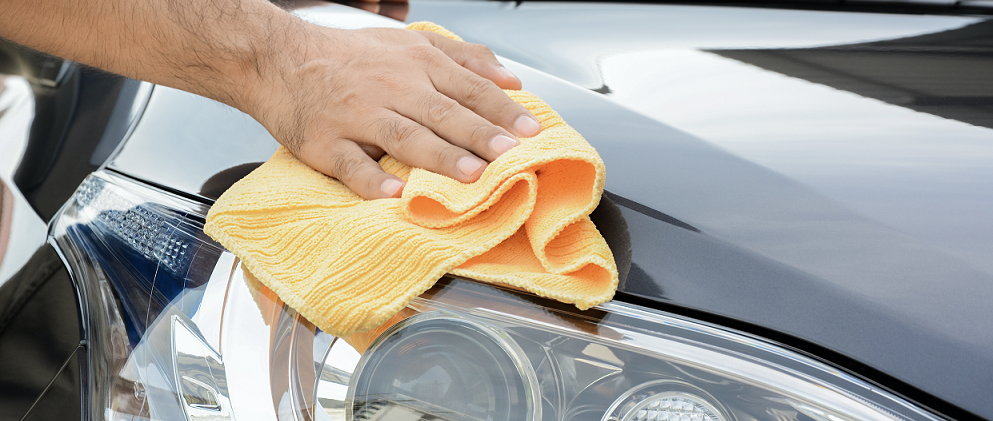
Image Source: static.foxdealer.com
Comprehending the Pollen Problem
Pollen is like fine powder from plants. It helps them make seeds. In spring or summer, winds carry tons of it through the air. It lands everywhere. Your car becomes a big, flat spot for it to land.
Why is pollen a worry for your car’s paint?
* Tiny but tough: Each pollen grain is small. But when there are millions, they can form a thick layer.
* Sticky when wet: If rain or morning dew hits the pollen on your car, it makes a paste. This paste sticks hard.
* Slightly acidic: Some types of pollen have a little bit of acid in them. If this sits on the paint for a long time, it can start to eat away at the clear coat. This is how pollen paint damage car happens over time.
* Like fine sand: The biggest danger comes when you try to wipe it off while it’s dry. Pollen grains are hard. Moving them across the paint without water is like rubbing it with very fine sandpaper. This causes tiny scratches you might not see at first, but they build up.
The yellow dust doesn’t just look bad. It’s a real risk for your car’s shiny finish if not handled the right way. Knowing this helps you see why cleaning it off carefully is a must.
The Risk of Scratching
Think of your car’s paint like layers. The base layer is the color. On top of that is a clear coat. This clear coat is like a shield. It makes the paint look deep and shiny. It also protects the color coat from sun, weather, and small bumps.
When you try to wipe dry pollen off your car, the hard pollen grains get dragged across this clear coat. This makes very small scratches. These are often called swirl marks or spiderwebs because of how they look in the sun. If you keep wiping dry pollen, these scratches get deeper and cover more of the car.
This damage:
* Makes the paint look dull, not shiny.
* Hides the true color of the car.
* Makes the clear coat weaker.
Avoiding these scratches is the main goal when you clean pollen. The secret is simple: use lots of water to lift the pollen off the paint, instead of rubbing it away.
Getting Ready to Clean Pollen
Before you even think about touching your car with a wash mitt, you need to get things ready. Proper setup makes the cleaning safer and easier. This is part of the process for protecting car from pollen damage while cleaning.
- Find the Right Spot: Park your car in a cool, shaded place. Direct sun can make water and soap dry too fast. This leaves water spots and makes the cleaning harder. A garage, a shady tree, or early morning/late evening is best.
-
Gather Your Tools: Have everything ready before you start. Going to get something while your car is wet is not good.
- Water source (hose with good pressure is best).
- Two buckets (a must!).
- Car wash soap (pH-neutral is kindest to paint). We’ll talk about the best car wash for pollen next.
- Wash mitt (soft microfiber or lamb’s wool).
- Drying towels (clean, soft microfiber).
- Wheel cleaner and brush (do wheels first).
-
Choose Your Soap: The best car wash for pollen is one that is gentle and helps lift dirt away from the paint. Look for a pH-neutral car wash soap. These soaps are balanced so they don’t hurt your car’s wax or sealant layer. They create thick suds that help pull the pollen off the surface. Avoid dish soap! Dish soap is too strong and strips away the protective layers on your paint, making it more open to damage.
-
Get Your Buckets Ready: This is super important for avoiding scratches when you clean pollen.
- Bucket 1: Fill with water and your car wash soap. This is your soap bucket.
- Bucket 2: Fill with plain clean water. This is your rinse bucket.
- Why two buckets? After you wash a part of the car, you rinse your wash mitt in the clean water bucket before putting it back in the soap bucket. This leaves the dirt and pollen in the rinse bucket, not in your clean soap. This stops you from rubbing the dirt you just took off back onto the car. Some people add a grit guard to the bottom of each bucket. This is a small screen that keeps dirt at the bottom, away from your mitt.
By getting everything ready first, you make the washing process smooth and safe. This helps protect your paint from the start.
The Cleaning Steps: Washing the Pollen Away Safely
This is the main part of how to remove yellow dust from car without causing harm. Follow these steps carefully.
Step 1: The Big Rinse
This is maybe the most important step when cleaning pollen. You need to get as much loose pollen off as possible before you touch the paint with a mitt.
* Use your hose with a spray nozzle.
* Start at the top of the car (roof).
* Spray water down the car. Let the water flow down and push the pollen off.
* Use good water pressure if you have it, but don’t use a jet setting that could harm trim or badges. A strong fan spray is usually good.
* Work your way down all sides of the car.
* Spray the hood, trunk, doors, and lower panels.
* Rinse the wheels and wheel wells too.
Spend a few minutes doing this. You should see clouds of yellow wash off the car. This pre-rinse removes a lot of the dangerous stuff before you start washing with soap and a mitt. This greatly reduces the chance of scratching.
Step 2: Wash the Wheels First
Wheels are often the dirtiest part of the car. Do them first. This way, you don’t splash dirt onto a clean car later.
* Use a separate bucket and wash gear for wheels if you can. Brake dust and road grime can be very harsh.
* Use a wheel cleaner if needed, following the product’s directions.
* Wash and rinse the wheels completely.
Step 3: Start Washing with Soap
Now it’s time for the soap and wash mitt. Remember your two buckets!
* Dip your clean wash mitt into the soap bucket. Get it full of suds.
* Start washing at the top of the car (roof). The roof is usually the cleanest part. Work your way down. This way, dirt from lower parts of the car doesn’t run onto areas you’ve already cleaned.
* Wash one section at a time. A section might be half the roof, one fender, or half a door.
* Use straight line motions with your wash mitt. Avoid washing in circles. Circular motions can create the swirl marks we talked about. Straight lines (front-to-back or up-and-down) make any tiny scratches less noticeable.
* Use light pressure. Let the soap and the mitt do the work. The suds lift the dirt. You are just guiding the mitt over the surface. Do not scrub hard.
* After washing a section, rinse your wash mitt thoroughly in the clean water bucket. Swish it around to get the dirt out.
* Wring out the mitt a little, then dip it back into the soap bucket for more suds.
* Move to the next section of the car.
* Keep repeating: Wash section, Rinse mitt in clean water, Get soap, Wash next section.
* Pay special attention to areas where pollen builds up, like horizontal surfaces (hood, trunk, top of fenders).
This two-bucket method, combined with a good pre-rinse and washing from top to bottom, is the safest way to clean pollen off car and reduce the risk of scratches.
Step 4: Rinse Off All Soap
Once you have washed all parts of the car with soap:
* Use the hose again, starting from the top.
* Rinse all the soap off completely. Make sure no suds are left anywhere.
* Use a flow of water rather than a harsh spray for the final rinse if your nozzle has this setting. This can help water sheet off the car, making drying easier.
Make sure all soap is gone. Dried soap can leave spots.
Step 5: Drying the Car
Drying might seem simple, but doing it wrong can cause scratches or water spots.
* Use clean, soft microfiber drying towels. Have several ready. Pollen season means the wash water might still have some pollen left, and you want fresh towels.
* Do not use old bath towels or paper towels. These are too rough for car paint.
* Gently pat or lightly drag the towel over the surface. Don’t rub hard.
* Start from the top and work down.
* Fold your drying towel often to use a clean, dry part.
* If a towel gets too wet, switch to a fresh one.
* Make sure to open doors and the trunk to dry the edges where water can hide and drip later. Also, dry door handles and side mirrors.
Proper drying keeps the car looking its best and avoids adding new scratches from trapped dirt or rough towel fibers.
Other Ways to Clean Pollen (And Why They Aren’t Always Best)
You might hear about other ways to get pollen off your car. Let’s look at them and why the wash method is usually best, especially for avoiding scratches.
Using a Car Duster
Some people use special car dusters to remove light dust.
* How it works: These dusters often have treated fibers that are supposed to attract dust.
* Pollen problem: Pollen is heavy and sticky when damp. A duster just pushes it around. Even a very soft duster will drag pollen grains across the paint. This is likely to cause scratches, maybe even more than dry wiping with a cloth.
* Verdict: Not recommended for pollen. It’s one of the worst ways for pollen paint damage car because of the high scratch risk.
Waterless Wash or Detail Spray
These products are sprayed onto the car and then wiped off. They have lubricants to help the dirt lift away.
* How it works: Spray on, wipe off with microfiber.
* Pollen problem: These are great for light dust or fingerprints. But a thick layer of pollen is too much for them. You would need to use many towels and still risk dragging pollen across the paint. You rely heavily on the product to lift all the pollen, which it might not do perfectly with a heavy layer.
* Verdict: Only for the absolute lightest dusting of pollen, maybe after you’ve just washed the car and a little bit settled. Not good for a car covered in yellow dust. The risk of scratching is still high with heavy pollen.
Using an Air Blower
Some people use electric leaf blowers or car dryers. This can be part of the fastest way to remove pollen car, but it has limits.
* How it works: Blow air across the car to push pollen off.
* Pollen problem: An air blower can remove loose, dry pollen from some areas. But it won’t get pollen that is stuck (even slightly damp). It also blows the pollen into the air, and it can just settle back down. Worst, if there are any tiny pieces of grit mixed with the pollen (like sand), the blower can blast them across the paint at high speed, causing tiny chips or scratches.
* Verdict: Can be used for a very quick removal of loose pollen if the car is bone dry and free of any grit. It’s not a replacement for washing and won’t get stuck pollen. Best used after a wash to help with drying in cracks and crevices, not for initial pollen removal.
Washing with lots of water is the gold standard for pollen. It lifts the pollen away from the paint surface before you apply any friction with a wash mitt.
Washing Frequency During Pollen Season
How often should you wash your car during pollen season? This depends on a few things:
* How bad is the pollen? In some areas, the yellow layer can build up in just a day or two.
* Do you park outside? Cars parked outside get covered faster than those in a garage.
* What’s the weather like? Rain or dew makes pollen stickier and potentially more harmful.
Generally, during peak pollen season, you might need to wash your car more often than usual.
* Weekly wash: This is a good goal if pollen is heavy and you park outside. A weekly wash stops the pollen from sitting too long on the paint and getting sticky.
* Every few days: If the pollen is extremely bad or it’s raining often (which makes the pollen stick and activate its mild acidity), you might even consider washing every few days.
* After heavy pollen falls: If you see a huge layer of yellow dust appear overnight, try to wash it off soon.
Think of it this way: the less time pollen sits on your paint, the less chance it has to cause damage. Washing car during pollen season more often, using the safe method described, is your best defense against pollen paint damage car.
Long-Term Protection: Reducing Pollen’s Grip
While frequent washing is key, you can also make it harder for pollen to stick and easier to wash off. This is part of protecting car from pollen all season long.
-
Wax or Sealant: Applying a good car wax or synthetic sealant creates a slick barrier on your paint. Pollen doesn’t stick as easily to a smooth, protected surface. This layer also adds a bit more defense between the pollen (and its possible acidity) and your clear coat.
- Wax: Often gives a deep shine, but lasts maybe 1-3 months.
- Sealant: Usually lasts longer, 3-6 months or more.
-
Ceramic Coating: This is a more durable protection. A ceramic coating forms a hard, very slick layer on top of your paint.
- Lasts much longer than wax or sealant (years).
- Makes the surface very smooth, so pollen and dirt have a hard time sticking.
- Water beads up and rolls off easily (hydrophobic), which helps rinse pollen away even with just rain.
- Washing the car becomes much easier.
Having a protective layer on your paint doesn’t mean you don’t have to wash it. Pollen will still land on the car. But the protection helps prevent the pollen from bonding to the paint and makes the safe washing process even more effective.
These methods are great car cleaning tips pollen season. They make cleaning less work and provide a shield for your paint.
Tools for the Job: Using Microfiber Right
We talked about using a wash mitt and drying towels made of microfiber. Why microfiber?
- Soft Fibers: Microfiber is made of very thin synthetic fibers (polyester and polyamide). These fibers are much thinner than cotton or wool. This makes the cloth or mitt very soft.
- Picks Up Dirt: The way the fibers are made and split creates a large surface area. This helps the cloth grab and hold onto dirt and dust, pulling it away from the surface instead of just pushing it around. This is key when using microfiber to clean pollen car. The pollen gets trapped in the fibers, reducing the chance it will rub against the paint.
- Absorbent: Microfiber can hold a lot of water, which is great for washing (carrying soap) and drying (soaking up water).
- Lint-Free: Good quality microfiber doesn’t leave lint behind on your car.
Not all microfiber is the same. For washing and drying your car’s paint, use high-quality, thick, and plush microfiber. Cheaper, thin microfiber cloths might not be soft enough and can still cause scratches.
- Wash Mitts: Look for a thick, plush microfiber wash mitt or a real lamb’s wool mitt. These provide a soft cushion between your hand, the dirt, and the paint.
- Drying Towels: Use large, thick, and very absorbent microfiber drying towels made specifically for cars. The “twist pile” or “waffle weave” types are very good at soaking up water quickly.
Care for your microfiber by washing it separately from other laundry. Use a microfiber cleaner or mild detergent. Do not use fabric softener, as it clogs the fibers and makes them less effective. Air drying or drying on a low heat setting without dryer sheets is best. Clean towels and mitts are essential for avoiding scratches.
Summary: Steps for a Scratch-Free Clean
Let’s put it all together. To clean pollen off your car without scratches:
- Park in the shade: Cool paint is key.
- Gather supplies: Two buckets, pH-neutral car soap (best car wash for pollen), soft wash mitt, microfiber drying towels.
- Rinse heavily: Use a hose to spray off as much loose pollen as possible before touching the car. This is vital for how to remove yellow dust from car safely.
- Wash wheels first: Keep wheel dirt away from clean paint.
- Use the two-bucket method: Wash a section, rinse mitt in clean water, get soap, wash next section. Wash from top to bottom.
- Wash gently: Use straight lines and light pressure. Let the soap work.
- Rinse completely: Get all soap off the car.
- Dry carefully: Use clean, soft microfiber towels. Pat or gently wipe. Fold towel often.
- Consider protection: Wax, sealant, or ceramic coating helps pollen slide off and protects the paint. This is a key step in protecting car from pollen long-term.
- Wash often: During peak pollen season, wash weekly or more if needed (washing car during pollen season often is important).
Following these steps makes sure you are using the safest way to clean pollen off car. It takes a little more time than a quick wipe, but it saves your paint from scratches and keeps your car looking its best for years. These are proven car cleaning tips pollen season that work. Avoid dry wiping or using dusters, as these are the fastest way to create pollen paint damage car. Focus on gentle washing with lots of water and the right tools like using microfiber to clean pollen car effectively and safely.
Frequently Asked Questions (FAQ)
- Q: Can I just use a hose to rinse the pollen off?
- A: Yes, a good rinse with a hose is a great first step and removes a lot of loose pollen. However, it usually won’t get all the sticky pollen off, especially if it’s been wet. You’ll still likely need a proper wash to get the car fully clean without rubbing.
- Q: Is it okay to go through an automatic car wash to remove pollen?
- A: It depends on the type of automatic wash. Brush-style automatic washes can cause scratches because the brushes trap dirt from all the cars before yours and rub it on your paint. Touchless automatic washes (which only use high-pressure water and chemicals) are better for avoiding scratches, but they might not get all the pollen off, especially stuck-on pollen. Hand washing using the two-bucket method is the safest way to clean pollen off car if you want to avoid scratches.
- Q: How fast does pollen start to damage paint?
- A: Minor damage (like etching from acidity) happens over time, not usually after just one day. However, the risk of scratching is there as soon as pollen settles on the paint and you try to remove it incorrectly. The longer pollen sits, especially with moisture, the more it sticks and the harder it is to remove safely. Washing regularly reduces this time.
- Q: What should I do if pollen gets inside my car?
- A: Pollen gets inside through air vents and on clothes/shoes. Use a vacuum with a brush tool to gently vacuum pollen from seats, floor mats, and the dashboard. Change your car’s cabin air filter regularly, especially before or after pollen season, to help keep pollen out of the vents.
- Q: Does the color of my car matter for pollen?
- A: Pollen is yellow, so it shows up very clearly on dark-colored cars. On yellow, white, or light-colored cars, it might not be as visible, but it’s still there and can still cause damage or scratches if not cleaned correctly. The cleaning method is the same no matter the car color.
Keeping your car free of pollen using the right methods helps keep the paint looking bright and new. It’s worth the effort to avoid those annoying scratches.