Yes, you can wash your car after window tinting, but you must wait. The crucial thing is the waiting period car wash tint needs to properly dry and stick. The general rule is to wait at least 3 to 5 days before washing the outside of your car. For cleaning the tinted windows directly, you should wait even longer, often around 7 days or more. This waiting time lets the tint film bond correctly to the glass.
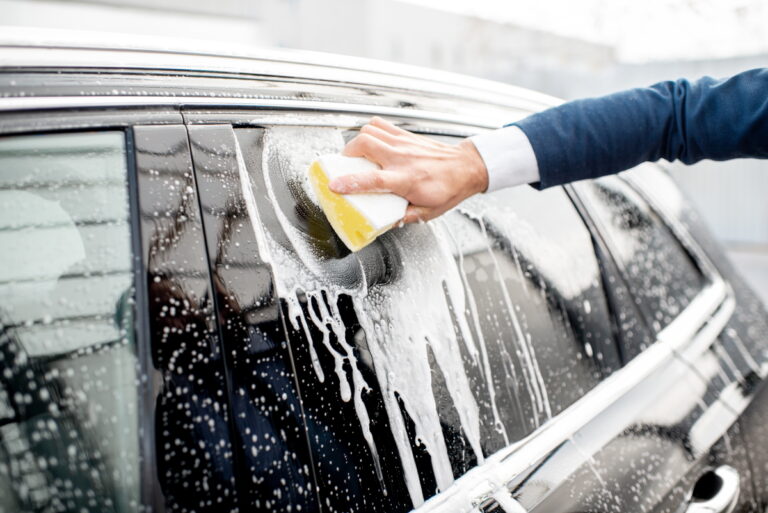
Image Source: qualityautoglasstint.com
Comprehending the Tint Drying Process
Window tint film sticks to glass using a special glue or adhesive. When the tint is put on, the installer uses a lot of water and a special liquid to help place the film just right and push out air bubbles. This water is trapped between the film and the glass. The tint film needs time for this water to dry out completely. This drying process is also called curing.
The window tint drying time depends on several things. Things like the type of tint film used can change how long it takes. Thicker or different materials might need more time. The weather outside also plays a big role.
- Hot and Sunny Weather: Tint dries faster in warm, sunny places. Heat helps the water go away quickly.
- Cold or Humid Weather: Tint dries much slower when it is cold or wet outside. The water stays trapped longer.
During the drying time, the tint might look a little cloudy or hazy. You might also see small water bubbles. This is normal. It means the water is still trapped and drying. Do not try to push these out or clean them during the waiting period.
The Essential Waiting Time for Car Washes
Knowing how long until car wash after tint is key to making your new tint last. Washing your car too soon can cause big problems. It can stop the tint from sticking right.
Most tint installers suggest waiting a minimum number of days before you wash the outside of your car.
- Standard Wait: A common wait time is 3 to 5 days. This gives the tint a basic chance to stick to the glass.
- Better Wait: Waiting a full 7 days is even better. This allows more of the trapped water to dry out and the adhesive to bond stronger.
- Best Wait: In cold or wet weather, waiting 10 to 14 days is wise. The tint needs extra time to cure in these conditions.
Think of it like paint drying. If you touch wet paint, you mess it up. If you put water and soap on tint that is still curing, you can mess it up too.
Why Waiting Matters So Much
Washing your car adds water, soap, and pressure to the outside. If the tint is not fully stuck to the glass, these things can easily damage it.
Here is why waiting is so important:
- Stops Peeling: The edges of the tint film are the last part to fully stick down. Water and the force of washing can lift these edges before they are sealed. This can lead to peeling later on.
- Prevents Bubbles: While small water bubbles inside the tint are normal during drying, washing too soon can create new air bubbles. It can also make existing water bubbles harder to go away.
- Protects the Adhesive: The glue holding the tint to the glass is designed to be waterproof after it has cured. But when it is still soft and wet from installation, it is weak. Soap and chemicals from car wash products can harm this weak adhesive.
- Avoids Scratches: New tint film, especially the outer layer, might be more delicate before it is fully cured. Rough towels or brushes from a car wash could scratch it.
- Ensures Proper Bond: Waiting allows the film to form a strong, permanent bond with the glass surface. This bond makes the tint last longer and look better.
Washing too early is one of the most common ways people damage new window tint. It might seem like a small thing, but that waiting period car wash tint rule is there for a very good reason.
Risks of Washing the Car Too Soon
Washing your car before the tint is ready can lead to costly damage. The risks depend on how you wash the car and which parts you clean.
Exterior Car Washing Risks
This is about washing the outside paint and glass. Water, soap, and pressure are the main issues here.
- High-Pressure Sprayers: Using a hose with a strong nozzle or a pressure washer near the windows can force water under the tint film’s edges. This lifts the film. Once lifted, the film may not stick back down right, leaving gaps or bubbles.
- Car Wash Soaps: Some strong car wash soaps have chemicals that can harm the tint adhesive before it has fully set. They can also leave residues that are hard to clean later.
- Brushes and Cloths: Rubbing too hard on the glass where the tint is can move the film if it is not stuck well. Automatic car wash brushes are very rough. Hand washing with a dirty cloth can also cause scratches.
- Water Under Edges: Even a normal hose can push water under the film edges if you aim it directly at them, especially on roll-down windows.
Washing Tinted Windows (Inside and Out) Too Soon Risks
Cleaning the glass surfaces directly is even riskier during the initial drying phase.
- Touching the Inside Tint: The inside of the window is where the tint film is put. Touching or rubbing this side before it is dry can easily scratch, smudge, or even peel the film. The film is soft and delicate when wet.
- Using Cleaners: Many glass cleaners have ammonia. Ammonia is very bad for window tint film. It can make the film turn purple, crack, or bubble over time. Even ammonia-free cleaners should not be used on new tint until it is fully cured (usually 30 days).
- Wiping Too Hard: Rubbing the inside of the window with a cloth while the tint is still wet can lift or tear the film.
This is why washing windows after tinting requires patience and the right method once the waiting time is over.
Choosing Your Car Wash Method: Manual vs. Automatic
After the necessary waiting period car wash tint, you still need to think about how you wash your car. Not all car wash methods are safe for tinted windows, even when they are dry.
Hand Washing Your Tinted Ride
Hand washing is generally the safest method for cars with window tint. You control the water pressure, the soaps used, and the tools that touch the glass.
- Control is Key: You can avoid spraying high pressure directly at window edges. You can use soft wash mitts and clean cloths.
- Gentle Cleaning: You can be gentle when hand washing tinted windows. This helps avoid scratching the film or lifting edges.
- Product Choice: You choose the soap. Use a mild car wash soap designed for cars. Avoid harsh detergents.
When hand washing, be mindful of the windows. Wash them last, and use a separate, clean, soft cloth or sponge just for the glass areas.
The Truth About Automatic Washes
Automatic car wash window tint is a risky combination. While convenient, automatic washes use powerful systems that can harm window tint.
- High-Pressure Water: Many automatic washes use strong jets of water to remove dirt. These jets can force water under the edges of the tint film, especially on roll-down windows.
- Harsh Brushes: Brush-style automatic washes use large, spinning brushes that hit your car hard. These brushes can scratch the tint film. They can also catch on edges and peel the film.
- Strong Chemicals: Automatic washes often use strong chemicals and soaps. These can be bad for the tint film and its adhesive over time, even after it is cured.
- Touchless vs. Brush: Touchless automatic washes are slightly safer than brush washes because nothing physically touches your car. However, they rely heavily on very high-pressure water and strong chemicals, which still pose risks to tint edges and the film itself.
It is generally recommended to avoid automatic car washes altogether if you have window tint. Stick to safe car wash method for window tint, like hand washing.
Caring for Tinted Glass: Beyond the First Wash
Once the initial window tint drying time is over and you have passed the waiting period car wash tint, you still need to care for your tinted windows properly. New window tint care involves more than just waiting to wash the outside of the car.
Cleaning the Inside of Tinted Windows
The inside of the window is where the tint film is. This side needs special care.
- Wait Longer: Do not clean the inside of the windows for at least 7 days after tinting. Some installers recommend waiting 30 days to be safe. The film needs to fully cure to the glass.
- Use the Right Cleaner: This is the most important rule. NEVER use cleaners with ammonia on tinted windows. Ammonia damages tint film. Look for glass cleaners marked “ammonia-free” or “safe for tinted windows.” Better yet, use a cleaner specifically made for window film. Plain water with a tiny bit of mild soap (like baby shampoo) can also work.
- Soft Cloths: Use very soft cloths to clean tinted windows. Microfiber cloths are best. They are soft, absorb dirt, and are less likely to scratch the film.
- Gentle Wiping: Do not press hard when cleaning the inside. Wipe gently from top to bottom or side to side. Avoid circular motions that can cause streaks.
- Avoid Sharp Objects: Never use razor blades, scrapers, or abrasive pads on tinted windows. These will easily cut or scratch the film.
Knowing when to clean windows after tint and how to do it safely is vital for keeping your tint looking good.
Dealing with Common Issues
Sometimes, even with good care, you might see issues with new tint.
Bubbles
It is normal to see small water bubbles trapped under the tint film right after installation. These are different from air bubbles.
- Water Bubbles: These look like small blisters of water under the film. They happen as the water used during installation dries out. They should shrink and disappear on their own during the window tint drying time. This can take days or even weeks, especially in cold or humid weather. Do NOT try to push them out.
- Air Bubbles: These are pockets of air. They usually look clearer than water bubbles and feel firmer. True air bubbles are often a sign of a problem with the installation. They may not go away.
- Bubbles After Washing: Seeing bubbles after washing car tint could mean you washed too soon. If you see new bubbles appear right after a wash, it is likely water got trapped under the film edges that had not fully sealed yet.
If you see bubbles that do not go away after a few weeks, or if you see large air bubbles, go back to your tint installer.
Haze or Cloudiness
New tint often looks cloudy or hazy for a while. This is also just trapped water drying out. It is part of the normal window tint drying time. The haze should slowly disappear as the tint cures. This can take anywhere from a few days to several weeks depending on the weather and film type. Patience is important during this phase.
Lengthening Your Tint’s Life
Proper new window tint care helps your tint last for many years.
- Respect the Drying Time: Always follow the recommended waiting period car wash tint and avoid rolling down windows for the first few days.
- Use Safe Cleaning Products: Only use ammonia-free cleaners or cleaners made for tint on the inside of the windows.
- Clean Gently: Use soft cloths and light pressure when cleaning the inside.
- Avoid Automatic Washes: Stick to hand washing or touchless washes with caution.
- Be Careful with Seatbelts: Seatbelt buckles can hit and chip the edges of the tint on the doors. Be careful when letting seatbelts retract.
- Limit Sharp Objects: Keep anything sharp away from the tinted surface.
- Address Issues Early: If you notice peeling, lifting, or strange bubbles that do not go away, contact your tint installer quickly.
By following these tips for new window tint care, you can keep your windows looking great and protect your investment.
When to Clean Tinted Windows Safely
So, when to clean windows after tint? Here is a simple timeline:
- First 3-5 Days: DO NOT wash the car’s exterior. DO NOT clean the inside of the windows. DO NOT roll windows down. This is the basic window tint drying time minimum.
- First 7 Days: It is much safer to wash the car’s exterior now. Hand washing is best. Avoid spraying high pressure directly at window edges. Still avoid cleaning the inside of the windows if possible. Avoid rolling windows down fully for the first week.
- First 30 Days: The tint is usually fully cured by now, even in cooler weather. You can now clean the inside of the windows. Use only ammonia-free cleaners and a soft cloth.
- After 30 Days: Continue using ammonia-free cleaners on the inside. Hand wash the exterior or use touchless automatic washes (with caution). Avoid brush washes.
This general guide helps you time your cleaning safely based on the necessary waiting period car wash tint.
Understanding the Materials
Window tint film is made of several layers. The adhesive layer is next to the glass. On top of that is a layer of film (often polyester). There might be dye layers for color or metal layers for heat rejection. The outer layer is often a hard coat designed to resist scratches.
Even with a scratch-resistant coat, the film is not as hard as glass. It can be damaged by sharp objects or abrasive materials. The adhesive needs time to fully bond chemically with the glass surface. Water trapped between the film and the glass stops this bonding process. This is why the window tint drying time is so important. The water has to evaporate or soak into the film/adhesive just right.
When you wash the car too early, you risk adding more water to the edges, which re-starts the delicate drying process there. Or, worse, you push water under film that hasn’t sealed, lifting it permanently.
Consider the edges of roll-down windows. When the window is up, the edge of the tint film is just inside the rubber seal. When the window goes down, this edge is exposed. If you roll down the window too early, the wet, weak edge can catch on the seal and peel back. This is why avoiding rolling down windows for the first few days is just as important as the waiting period car wash tint.
Safe Products for Cleaning Tint
When it is time for washing windows after tinting (after the waiting periods), choosing the right cleaning products is crucial.
- Ammonia-Free Glass Cleaner: Look for labels that clearly state “ammonia-free” or “safe for tinted windows.” Many common household glass cleaners contain ammonia (like some Windex products), which will ruin tint.
- Specialized Tint Cleaners: Several companies make cleaners specifically for window film. These are usually the safest option.
- Mild Soap and Water: A few drops of very mild dish soap (like Dawn, but just a tiny amount) mixed with water can work. Even better is a small amount of baby shampoo in water. Rinse the cloth well to avoid soap residue.
- Rubbing Alcohol (Use with caution and sparingly): Some professionals suggest using a small amount of rubbing alcohol mixed with water (e.g., 70% water, 30% alcohol) for tough spots, but test in a small area first. Avoid letting it sit on the tint. This is more for stubborn marks after the tint is fully cured (after 30+ days).
- Microfiber Cloths: Use two: one wet with cleaner, one dry to wipe away streaks. Microfiber is soft and non-abrasive.
Products to AVOID:
- Ammonia-based glass cleaners
- Window cleaners with vinegar (vinegar is acidic and can potentially affect some tint films)
- Abrasive cleaners or pads
- Paper towels (can be too rough and leave fibers)
- Scrapers or razor blades
Using the correct products ensures your washing windows after tinting doesn’t damage the film.
Planning Your Car Washing Schedule
Here is a simple way to think about your car washing schedule after getting tint:
| Task | Minimum Wait (Days) | Ideal Wait (Days) | Notes |
|---|---|---|---|
| Roll Down Windows | 2-5 | 7 | Varies based on film and climate. Ask installer. |
| Wash Car Exterior | 3-5 | 7-10 | Hand wash recommended. Avoid automatic washes. |
| Clean Inside Tinted Windows | 7 | 30 | Use ammonia-free cleaner & soft cloth. Wipe gently. |
| Use Automatic Car Wash | Never Recommended | N/A | Touchless is slightly safer but still risky. Hand wash is best. |
This table provides a quick guide based on the necessary waiting period car wash tint tasks.
Remember, these are general guidelines. Hot, dry climates speed up the window tint drying time. Cold, wet, or humid climates slow it down. Always ask your tint installer for their specific recommendations based on the film they used and the local weather. They know the exact product and climate factors affecting the cure time. Following their advice is the best new window tint care step you can take right after installation.
Getting window tint is a great way to make your car look better, block heat, and add privacy. Taking a little extra care in the first few weeks, especially by respecting the waiting period car wash tint requires, helps ensure your tint lasts for many years and looks its best. Do not let impatience lead to damaged tint and costly repairs.
Frequently Asked Questions
h5 How long does the haze on new tint last?
The cloudy look, or haze, is normal and happens because of trapped water. It should go away on its own as the tint dries. This can take anywhere from a few days to several weeks, depending on the weather and the type of tint film used. Warm, sunny weather helps it dry faster.
h5 What if I accidentally roll down my windows too soon?
If you roll down a window before the tint is dry, the edge of the film might catch on the rubber seal and peel back. If this happens, try to roll it back up carefully. If the edge has lifted or folded, go back to your tint installer as soon as possible. They might be able to fix it if caught early.
h5 Can I use waffle weave or drying towels on tinted windows?
Yes, after the tint is fully cured (usually 30 days) and you have cleaned the windows with an ammonia-free cleaner, you can use a soft, clean waffle weave or microfiber drying towel to dry the glass. Be gentle on the inside where the film is. Make sure the towel is clean to avoid scratching.
h5 Is it okay to clean the outside of the windshield and back window immediately?
Yes, you can clean the outside of the windshield and the outside of the back window right away, as long as those specific windows were not tinted. If they were tinted, follow the same rules for the waiting period car wash tint applies to all tinted windows. Only clean the outside surface. The tint is on the inside.
h5 My tint has small bubbles after washing car tint. Will they go away?
If you washed before the recommended waiting time and new bubbles appeared, it is likely water got trapped under the edges that had not fully sealed. These bubbles might not go away on their own, especially if they are air bubbles. It is best to contact your tint installer to have them look at it.
h5 Can I use a rear window defroster with new tint?
Yes, you can use your rear window defroster. Good quality window tint is designed to work with defrosters. However, avoid using the defroster constantly during the first few days of the window tint drying time, as extreme heat changes might affect the initial curing process. After a week or two, using the defroster as needed is fine. Do not scrape the inside of the rear window if you have tint there.
h5 How long does window tint last?
The lifespan of window tint varies greatly based on the quality of the film, the quality of the installation, and how well you care for it. High-quality films, properly installed and cared for (using the right cleaning methods and avoiding automatic washes), can last 5 to 10 years or even longer. Cheaper films may fade, bubble, or peel much faster. Good new window tint care extends its life significantly.