Do your car windows fog up, making it hard to see the road? You can stop this from happening effectively. The easiest way is to control the moisture inside your car and use your car’s heating and cooling system the right way. Fog on car windows, or windshield condensation, happens when warm, wet air hits the colder glass surface. This creates tiny water droplets you see as fog. Knowing why car windows fog up is the first step to preventing it and using things like your car defogger usage or quick ways to defog car windows.
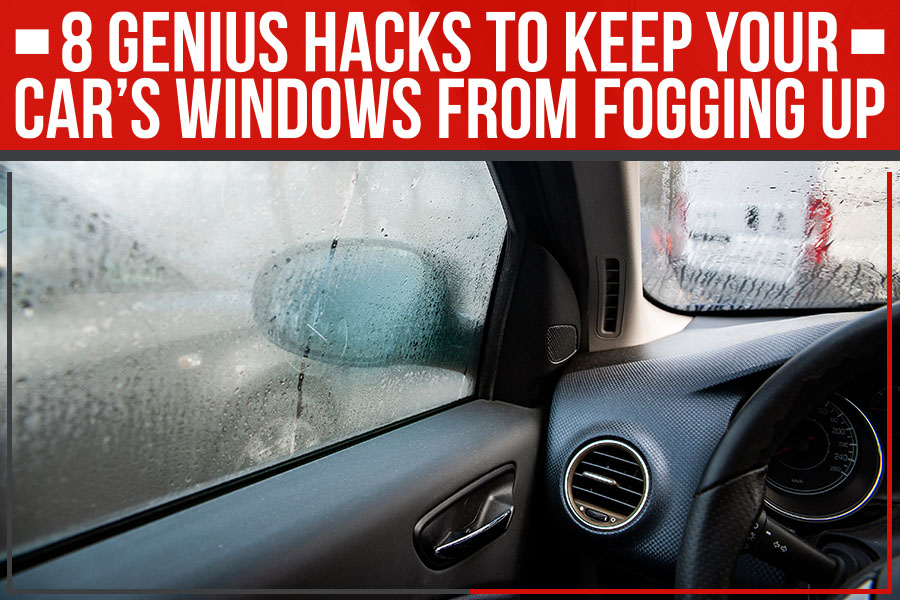
Image Source: www.yorkchryslerdodgejeepram.com
Grasping Why Fog Happens
Have you ever seen your bathroom mirror get foggy when you take a hot shower? Car windows fog up for the same reason. It’s all about temperature and water in the air.
The Science Behind the Haze
Air always holds some amount of water. We call this humidity. When the air inside your car is warm and has a lot of water in it (high humidity), and the glass of your windows is cold, the warm, wet air touches the cold glass. When it touches the cold glass, the air cools down very fast. Cold air cannot hold as much water as warm air. So, the extra water in the air has nowhere to go but onto the cold glass. It turns from a gas (water vapor) into tiny liquid drops. These drops stick to the glass and make it look cloudy or foggy. This is what we mean by windshield condensation.
Think about it:
* Inside is warm and wet: Maybe you and passengers are breathing (we breathe out warm, wet air). Maybe it’s raining outside, and you brought wet clothes or umbrellas inside. Maybe your floor mats are wet.
* Outside is cold: The windows get cold because of the air outside.
* Result: The warm, wet air inside touches the cold glass, and fog appears.
Sometimes, fog can happen on the outside of your windows too. This is less common, but it happens when the air outside is warm and wet, and your windows are cold from the air conditioning inside. The warm, wet outside air hits the cold glass and fogs up the outside. We will focus mostly on inside fog, as that’s the most common problem.
Knowing why car windows fog up helps us figure out how to stop it. We need to either make the inside air less wet, make the windows warmer, or both.
Using Your Car’s Built-In Tools
Your car has tools specifically made to deal with foggy windows. Using them correctly is a main part of car defogger usage.
The Defrost Button Explained
Every car has a defroster system. You usually see buttons with icons of a windshield with wavy arrows.
* Front Defroster: This usually blows air onto the inside of the front windshield and sometimes the front side windows.
* Rear Defroster: This is usually a separate button. It works differently, using thin wires embedded in the rear glass to heat it up directly.
How Front Defrost Works
When you press the front defroster button, the car’s heating and cooling system starts working to remove moisture and warm the glass.
1. It usually turns on the fan to blow air.
2. It often directs air specifically to vents near the windshield and side windows.
3. Crucially, it often turns on the car’s air conditioning (AC) compressor, even if you have the heat on.
Why use the AC with heat? This might seem strange, but it’s very effective for car humidity control. The AC system’s job is not just to make air cold; it also removes moisture from the air. When you use the defroster, the system cools the air first (removing water), then heats it back up before blowing it onto the windows. This sends dry, warm air onto the glass, which quickly evaporates the fog.
So, for how to clear foggy car windows using the defroster:
* Press the front defroster button.
* Make sure the temperature is set to warm or hot.
* Ensure the fan is on a medium to high setting.
* Make sure the AC is on (even if you feel warm air). Many cars turn the AC on automatically with the defroster setting.
How Rear Defrost Works
The rear defroster uses a simple method: heat. The lines you see on the back window (and sometimes side mirrors) are heating elements. When you turn on the rear defroster, electricity flows through these lines, making them warm. This heat warms the glass directly, which warms the air right next to it. The tiny water droplets of the fog then turn back into water vapor and disappear.
- Press the rear defroster button.
- It usually turns off automatically after a set time (like 10-15 minutes) to save power and prevent overheating. You can press it again if needed.
Using Car AC to Defog
As mentioned, using car AC to defog is often part of the defroster system, but you can also use the AC manually for car humidity control. If the air outside is cool but not freezing, and the inside of your car feels damp, turning on the AC for a few minutes can help. Set the temperature to cool (but not freezing cold) and direct the air to the vents near the windows. The AC will pull moisture out of the air, making it less likely to fog up the windows.
Mastering the Car Ventilation System Fog Control
Your car’s ventilation system has different settings that impact fogging.
* Fresh Air (Outside Air): This brings air from outside into the car. This is usually the best setting to prevent car ventilation system fog. Fresh air often has less moisture than the air inside the car, especially if it’s cold outside. Bringing in drier outside air helps reduce the humidity inside.
* Recirculate (Inside Air): This setting just moves the air that is already inside your car. This is bad for fogging because it keeps the warm, wet air trapped inside. If you use recirculate while there are people in the car breathing, the humidity will quickly build up, leading to fog. Only use recirculate for short times, like driving through a dusty area or past a smelly truck. Switch back to fresh air as soon as possible.
Key rule: For preventing and clearing fog, always use the fresh air setting.
Summary of Using Car’s Tools:
| Tool/Setting | How it Helps Against Fog | How to Use |
|---|---|---|
| Front Defroster | Blows warm, dry air onto windshield. Uses AC to dry air. | Press dedicated button. Set temp warm/hot. Fan high. Fresh air setting. |
| Rear Defroster | Heats the glass directly to evaporate fog. | Press dedicated button. |
| AC (Manual Use) | Removes moisture from the air (car humidity control). | Turn on AC. Direct air to windows. Use fresh air setting. |
| Fresh Air Setting | Brings in drier outside air, reduces inside humidity. | Select this setting on your climate controls. Always use for fog. |
| Recirculate Setting | Traps moist air inside, makes fog worse. | Avoid using when windows are fogging or might fog. |
Active Steps to Prevent Fog
Preventing fog before it starts is easier than clearing it while driving. Here are ways to prevent car window fogging.
Keep the Inside Clean and Dry
Dirt, dust, and oils on the inside of your windows give the water tiny spots to stick to, making fog worse. Regularly cleaning the inside of your windows helps a lot. Use a clean microfiber cloth and a glass cleaner made for cars. Make sure the windows are completely dry after cleaning.
Also, try to keep the inside of your car dry.
* Shake off snow or rain before getting in.
* Use all-weather floor mats that trap water.
* If your floor mats are wet, dry them out.
* Don’t leave wet items like towels or clothes in the car.
Removing sources of moisture is a big part of car humidity control.
Control the Inside Environment
Before fog even appears, you can adjust your car’s climate controls.
* When you first get in on a cold or wet day, turn on the front defroster right away.
* Use the fresh air setting always, especially when there are people in the car breathing out moisture.
* If it’s just cool or damp outside, sometimes just turning on the fan to blow fresh outside air (without heat or AC) can prevent fog by circulating air and preventing the warm, wet inside air from sitting against the cold glass.
Use Products for Extra Protection
There are products designed to prevent fog. An anti-fog car spray creates a thin layer on the glass that makes it harder for water droplets to form and stick. Instead of tiny drops (fog), the water forms a thin, invisible sheet.
- Anti-fog car spray: Apply this spray to the inside of your clean windows. Follow the product instructions carefully. Usually, you spray it on, wipe it with a clean cloth, let it dry, and then buff it lightly. These sprays need to be reapplied periodically.
- Homemade solutions: Some people use things like shaving cream or baby shampoo wiped on the inside of the glass and buffed off. These contain mild detergents that work in a similar way to anti-fog products by reducing surface tension. However, they can sometimes leave streaks or residue, so test in a small area first. An anti-fog car spray made for cars is generally a better option.
Air Circulation is Key
Making sure air moves around inside your car is vital for preventing car ventilation system fog.
* Make sure all your vents are open and not blocked.
* Check if your cabin air filter is clean. A clogged filter can reduce the airflow needed for effective defogging and ventilation. We’ll talk more about this later.
* Cracking a window slightly (if weather allows) can also help by letting some of the moist inside air escape and drier outside air enter. This increases air exchange and helps with car humidity control.
Extra Helpers Beyond the Car’s Systems
Sometimes, you need a little extra help, or you want solutions that aren’t built into the car.
Anti-Fog Products
We talked about anti-fog car spray. These products work well if applied correctly.
* Types: Sprays, gels, wipes.
* Application: Always apply to clean, dry glass. Follow the directions. Usually involves applying, letting it sit briefly, and then wiping/buffing with a clean cloth.
* Where to use: Primarily on the inside of the windshield and front side windows.
Moisture Absorbers
Products that absorb moisture can help reduce overall humidity inside the car.
* Silica packets: Those little packets that come with shoes or electronics absorb moisture. You can save them and put them under seats or in door pockets.
* Commercial moisture absorbers: Products like DampRid in a container can be placed in the car when it’s parked (remove while driving as they can spill). These are very good for long-term car humidity control, especially if a car is stored or prone to dampness.
* DIY moisture absorbers: A sock filled with cat litter or charcoal can also absorb moisture from the air.
Window Visors
These plastic pieces attach above your side windows. They allow you to crack your window open slightly even when it’s raining without water coming in. This bit of fresh air exchange can significantly help prevent car window fogging, especially on rainy days.
What to Do When It Fogs Now
Sometimes, despite your best efforts to prevent it, the windows will fog up while you are driving. Knowing quick ways to defog car windows is important for safety. How to clear foggy car windows fast?
- Turn on the Front Defroster (HIGH): Hit the dedicated defroster button. Turn the temperature up to hot. Turn the fan speed all the way up. Make sure it’s set to blow fresh outside air (not recirculate). Remember, most modern cars will automatically turn on the AC with the defroster, which is good for drying the air.
- Turn on the Rear Defroster: If the back window is fogged, hit that button too.
- Aim Side Vents: Adjust your side vents to blow air onto the front side windows.
- Crack a Window (If Safe): If the weather permits (not pouring rain, not freezing), crack open two opposite windows (front and back, or one on each side) a tiny bit. This creates a cross-breeze that helps pull moist air out and bring drier air in. This is one of the quickest ways to defog car windows if outside air isn’t super humid.
- Wipe (Last Resort, Carefully): If the fog is thick and you need to see right now, pull over if possible. If not, carefully and quickly wipe a small area of the windshield with a clean cloth or even your hand to see. Be careful not to smear dirt, which can make visibility worse. This is not a long-term solution and the fog will likely return quickly unless you address the cause with your car’s climate system. Use a clean microfiber cloth if you must wipe. Avoid using paper towels as they can leave lint.
Important Safety Note: If your windows fog up so much you cannot see, pull over as soon as it is safe to do so and wait until you have cleared the windows enough to see properly. Driving with limited visibility is very dangerous.
Long-Term Strategies for Clear Windows
Beyond the immediate fixes, some regular maintenance can help prevent car window fogging problems over time.
Check Your Car’s Ventilation System
A properly working car ventilation system fog control is crucial.
* Cabin Air Filter: Your car has a filter that cleans the air coming into the cabin from outside. If this filter is old and clogged with dirt, leaves, and moisture, it can reduce the amount of air flowing through the system. It can also become a source of moisture itself. Check your car’s manual to find its location and how often it should be replaced (usually every 1-2 years or 12,000-15,000 miles). Replacing a dirty cabin filter can greatly improve airflow and the system’s ability to dry the air.
* Vents and Ducts: Make sure all air vents inside the car are open and not blocked by items on the dashboard or floor. Sometimes leaves or debris can block the outside air intake vents, usually located at the base of the windshield outside the car. Keep this area clear.
Inspect Door and Window Seals
The rubber seals around your car doors and windows keep water and outside air out. If these seals are old, cracked, or damaged, they can let rainwater leak into the car, especially into the carpets or under the floor mats. This trapped water will evaporate and increase the humidity inside the car, leading to constant fogging. Check the seals for cracks or damage. Make sure the drain holes at the bottom of the doors are clear so water doesn’t build up inside the door panel itself.
Look for Leaks
Sometimes, water can get into the car from places other than the door seals. Check for dampness in the carpets, especially after it rains or you wash the car. Common leak spots can be around the windshield or rear window seal, sunroof drains, or even through holes in the firewall where wires pass through. Finding and fixing leaks is essential for long-term car humidity control.
Use the AC Regularly (Even in Winter)
Running your car’s air conditioning system regularly helps keep the parts working correctly and helps circulate refrigerant and oil. Even in winter, running the AC for a few minutes once in a while helps keep the seals lubricated. A well-maintained AC system is better at removing moisture from the air, which is key for preventing car window fogging.
Specific Situations and Fogging
Fogging can be worse in certain weather conditions.
Fogging in Rain
Rainy weather is a prime time for fogging. People bring water in on their clothes, umbrellas, and shoes. The outside air is also very humid.
* Solution: Use the front defroster on high with heat and AC on, set to fresh air. Use the rear defroster. Slightly cracking a side window (if visors are installed) can help release some humidity.
Fogging in Cold Weather
When it’s cold outside, your warm breath and any moisture in the car meet the very cold glass.
* Solution: Use the front defroster on high with heat and AC on (yes, even with heat!). Ensure fresh air setting. The AC dries the super-humid air from inside before the heater warms it and blows it onto the glass.
Fogging in Humid Weather (Summer)
Sometimes, on a hot, very humid day, fog can form on the outside of your windows, especially the windshield, when you are using the AC inside.
* Why: The inside of the glass is very cold from the AC. The hot, very humid outside air hits the cold outside surface of the glass.
* Solution: Turn off the recirculate setting and use fresh air. Increase the temperature setting on your AC slightly so the glass isn’t quite so cold. You can wipe the outside of the glass with your wipers or a cloth if needed, but addressing the temperature difference is the long-term fix.
Common Errors That Make Fog Worse
Knowing what not to do is just as important as knowing what to do.
- Using Recirculate: This is the most common mistake. It traps moist air inside and guarantees fog will form quickly. Always use fresh air for defogging.
- Using Only Cold Air: Cold air from the AC removes moisture, which is good. But blowing only cold air on a cold windshield can make the glass even colder and cause more fog initially, or just make everyone inside cold. Using the AC with heat on the defroster setting is much more effective as it provides dry warm air.
- Wiping with a Dirty Cloth: This just smears dirt and makes visibility worse. If you must wipe, use a clean microfiber cloth dedicated for windows.
- Ignoring the Cabin Filter: A dirty filter restricts airflow, making the entire defogging system less effective.
- Not Checking for Leaks: If your car has a constant fogging problem, especially after rain, you likely have a leak letting water in. Defoggers can’t fix a wet carpet constantly releasing moisture.
- Leaving Wet Items in the Car: Gym clothes, wet towels, umbrellas – these all add moisture to the air inside your car.
Putting It All Together: Your Clear-Vision Plan
To effectively stop car windows from fogging up:
- Prevent it First:
- Keep the inside of your car clean and dry.
- Use the fresh air setting always.
- Consider an anti-fog car spray on clean windows.
- Use moisture absorbers if needed.
- Use Your Car’s Systems Right:
- Press the front defroster button – remember it uses AC and heat for dry, warm air. Use high fan speed.
- Use the rear defroster for the back window.
- Direct side vents towards side windows.
- When Fog Appears (Quick Ways to Defog Car Windows):
- Turn on both defrosters (high heat, high fan, fresh air, AC on).
- Crack windows slightly if safe/possible.
- Pull over if visibility is poor before attempting to clear foggy car windows while driving.
- Long-Term Care:
- Replace your cabin air filter regularly.
- Check door and window seals for leaks.
- Address any water leaks promptly (car humidity control starts with removing the water source).
By following these steps, you can greatly reduce how often your car windows fog up and quickly clear them when they do, ensuring a safer drive.
Frequently Asked Questions (FAQ)
Q: Why do my car windows fog up even when the heat is on?
A: Your windows likely fog up because the air inside is warm and wet. Turning on just the heat without the AC (or the defroster function which often uses AC) can make the inside air warmer but doesn’t remove the moisture. Warm air can hold more water, so when this warm, wet air hits the colder glass, it fogs up quickly. Using the AC along with the heat (like the defroster button does) is key, as the AC removes the water first.
Q: Does using AC to defog really work?
A: Yes, absolutely! Using car AC to defog is one of the most effective methods. The AC system’s main function is to cool air, but a side effect of the cooling process is that it removes water from the air (this is why you see water dripping from under your car on a hot day when the AC is running). Blowing this dry air onto the windows prevents condensation from forming and helps evaporate existing fog much faster than just blowing warm, wet air.
Q: Can I use a regular glass cleaner as an anti-fog car spray?
A: No, regular glass cleaner will clean the glass but will not provide anti-fog properties. In fact, some cleaners can leave residue that might make fogging worse. Use products specifically labeled as anti-fog car spray or defogger for the inside of your windows.
Q: How can I improve my car’s ventilation system fog performance?
A: Ensure you are always using the fresh air setting, not recirculate. Check that all vents are open and not blocked. Regularly replace your cabin air filter – a clogged filter severely reduces airflow and the system’s ability to clear moisture. Keep the outside air intake area at the base of the windshield clear of debris.
Q: What are some quick ways to defog car windows when I’m in a hurry?
A: The quickest way using your car’s system is to turn on the front defroster (usually the button with the windshield icon and wavy arrows). Set the temperature to hot, the fan speed to high, and ensure it’s on the fresh air setting. Most cars automatically turn on the AC with this setting, which is what dries the air. If safe, cracking a window slightly also helps exchange moist inside air with drier outside air.
Q: Is windshield condensation dangerous?
A: Yes, windshield condensation is dangerous because it severely limits your ability to see the road, other vehicles, pedestrians, and hazards. Driving with fogged windows is a major cause of accidents. It is crucial to clear your windows completely before driving or to pull over if they fog up while you are driving.
Q: How does car humidity control relate to fogging?
A: Car humidity control is directly related to fogging because fog is simply water from the air condensing on the cold glass. By reducing the amount of moisture (humidity) in the air inside your car, you reduce the chances of fog forming. This can be done by using the AC, using fresh air, keeping the car clean and dry inside, and using moisture absorbers.
Conclusion
Dealing with foggy car windows is a common problem, but one you can solve with the right knowledge and habits. By understanding why car windows fog up, correctly using your car defogger usage, practicing car humidity control, and knowing quick ways to defog car windows, you can keep your view clear and your drives safe. Simple steps like using fresh air, running the defroster correctly, and keeping your car clean make a big difference. Don’t let fog blur your safety.