Why is your car making noise when you turn the steering wheel? This usually means something is wrong with your car’s steering or suspension parts. Common causes include problems with the power steering system, like low power steering fluid or a bad power steering pump noise, or issues with parts that connect your wheels, like a worn ball joint, tie rod end noise, or control arm bushing noise. Sometimes, the steering rack noise or a general suspension noise when turning can cause these sounds. A car grinding noise when turning, clicking noise when turning, or groaning noise when turning all point to different possible issues you should check out.
When you hear a strange noise as you turn your car, it’s like your car is trying to tell you something. Don’t ignore these sounds! They can be signs of small problems that could become big, expensive, or even dangerous issues if not fixed. Figuring out what’s causing the noise is the first step to making your car safe and quiet again.
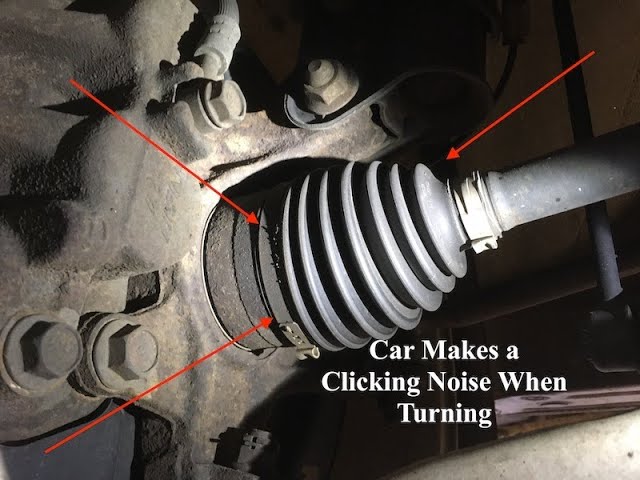
Image Source: i.ytimg.com
Fathoming Power Steering Problems
Your car’s power steering system helps you turn the wheels easily. Without it, turning would be very hard. This system uses fluid and a pump to give you turning power.
What is Power Steering?
Think of power steering as a helper for your arms when you turn the steering wheel. It uses hydraulic fluid (like a special oil) pushed by a pump to make turning the wheels much easier.
Power Steering Pump Noises
A common sound you might hear is a power steering pump noise. This pump pushes the fluid through the system. If the pump is going bad, it might make a whining or moaning sound, especially when you turn the wheel. The sound might get louder as you turn the wheel all the way to one side. This whining is the pump working harder but struggling.
Low Power Steering Fluid Issues
Sometimes, the noise isn’t the pump itself but a lack of fluid. Low power steering fluid can cause the pump to suck in air. When the pump tries to pump air instead of fluid, it makes a loud whining, groaning, or even squealing sound. This is often heard more when you turn the wheel, as the system is under more load.
- Signs of Low Fluid:
- Whining or
groaning noise when turning. - Harder steering, especially at low speeds.
- Fluid leaks under the front of the car.
- Whining or
Fixing Power Steering Noises
- Check the Fluid: Look at the power steering fluid reservoir under the hood. Is the fluid level low? Add the correct type of power steering fluid. Be careful not to overfill it.
- Find Leaks: If the fluid was low, there’s likely a leak somewhere. Check the hoses, pump, and steering rack for wet spots or drips.
- Replace the Pump: If the fluid is full but the
power steering pump noiseis still there, the pump itself might be worn out and need to be replaced. - Flush the System: Sometimes, old, dirty fluid can cause noise. Flushing the old fluid out and putting in new fluid can help.
Table: Power Steering Noise Quick Guide
| Noise Type | Likely Cause | Symptoms | Check/Fix |
|---|---|---|---|
| Whining/Moaning | Power steering pump bad | Noise when turning, sometimes hard steering | Check fluid, replace pump |
| Whining/Groaning | Low power steering fluid | Noise when turning, hard steering, leaks | Check fluid level, find and fix leaks, refill |
| Squealing (tight turn) | Low power steering fluid | Loud noise at full turn, maybe leaks | Check fluid level, find and fix leaks, refill |
Keeping enough clean power steering fluid in your car is a simple way to avoid many of these noises and keep your steering working right.
Examining Suspension and Steering Parts
Beyond the power steering system, many other parts connect your wheels to the car and help you steer. These parts can also get old and make noise when you turn.
What is the Suspension?
The suspension system is like the car’s legs. It connects the wheels to the car’s body. It helps the car ride smoothly over bumps and keeps the tires on the road when you turn. It includes parts like control arms, ball joints, bushings, struts or shocks, and tie rods.
Worn Ball Joint Issues
Ball joints are like the hip joints of your car’s suspension. They let the control arms move up and down and allow the steering knuckle (which holds the wheel) to pivot when you turn. A worn ball joint can cause a groaning noise when turning at low speeds, like driving into a parking spot. You might also hear a clicking noise when turning or a clunking sound over bumps. A very bad ball joint is dangerous as it can break and cause the wheel to separate from the car.
- Signs of a Worn Ball Joint:
Groaning noise when turningat low speeds.Clicking noise when turningor clunking over bumps.- Uneven tire wear.
- Loose or shaky steering.
Tie Rod End Noises
Tie rods are part of the steering system. They connect the steering rack to the steering knuckles. The ends of the tie rods have joints that can wear out. Tie rod end noise often sounds like a clicking noise when turning, especially at low speeds. You might also feel looseness in the steering wheel or notice that the car doesn’t steer as straight as it used to.
- Signs of Bad Tie Rod Ends:
Clicking noise when turning.- Loose steering feel.
- Steering wheel off-center.
- Uneven tire wear.
Control Arm Bushing Issues
Control arms are major links in the suspension. They connect the wheel hub to the car frame. Bushings are like rubber cushions where the control arm attaches. They absorb shock and reduce noise. When these control arm bushing noise happens, it’s because the rubber is worn out or cracked. You might hear a groaning noise when turning or a clunking sound over bumps or when braking.
- Signs of Bad Control Arm Bushings:
Groaning noise when turning.- Clunking sounds over bumps.
- Poor steering control.
- Uneven tire wear.
Steering Rack Noises
The steering rack is the main part that translates the turning of your steering wheel into the movement of the tie rods, which then turn the wheels. A steering rack noise can be a grinding, clunking, or popping sound heard when you turn the wheel. This can be due to internal wear, lack of lubrication, or issues with the power steering part of the rack.
- Signs of Steering Rack Noise:
- Grinding, popping, or clunking when turning.
- Leaking power steering fluid (if it’s a hydraulic rack).
- Stiff or loose steering.
General Suspension Noise When Turning
Sometimes, the noise isn’t from one specific part but a mix of issues or something less common. Suspension noise when turning can be caused by:
- Strut Mounts: The top mounts of your struts (part of the suspension) can wear out, causing popping or binding noises when turning.
- Sway Bar Links or Bushings: These parts help reduce body roll when turning. Worn links or bushings can clunk or squeak.
-
CV Joints: If your car has front-wheel drive (or is all-wheel drive), it has CV joints. A bad outer CV joint commonly makes a loud
clicking noise when turningsharply, especially at low speeds. -
Signs of CV Joint Issues:
- Loud
clicking noise when turningtightly (like in a parking lot). - Grease leaking from a torn rubber boot near the wheel.
- Loud
Fixing Suspension and Steering Part Noises
Fixing these noises usually means replacing the worn-out part.
- Ball Joints, Tie Rod Ends, Control Arm Bushings: These parts need to be replaced by a mechanic. After replacing tie rod ends, the car’s alignment must be checked and adjusted.
- Steering Rack: Replacing a steering rack is a bigger job, often requiring special tools and expertise.
- CV Joints: If the rubber boot is torn, the joint will fail. The CV axle assembly (which includes the CV joints) is usually replaced as a unit.
Interpreting What Your Car’s Noise Means
Different noises can point to different problems. Paying close attention to the sound can help figure out what needs fixing.
- Clicking Noise When Turning: This is often the sound of a worn-out CV joint, especially when turning sharply. It can also come from worn tie rod ends or sometimes a bad ball joint.
- Groaning Noise When Turning: This frequently means problems with power steering (low fluid, bad pump) or worn rubber bushings in the suspension, like
control arm bushing noiseorworn ball jointissues. - Grinding Noise When Turning: A
car grinding noise when turningcan be more serious. It might be a bad wheel bearing, a problem with the steering rack, or even brake components rubbing if the noise happens during braking while turning. - Whining Noise: Usually points to the power steering system, either
low power steering fluidor a failingpower steering pump noise. - Popping/Clunking Noise: Can be
worn ball joint, bad control arm bushings, strut mounts, or sway bar links.
Table: Noise Type and Possible Cause
| Noise Type | Common Causes | When It Happens |
|---|---|---|
| Clicking | CV joint, Tie rod end, sometimes ball joint | Turning sharply, low speeds |
| Groaning | Power steering (fluid/pump), Control arm bushing, Ball joint | Turning slowly, sometimes over bumps |
| Grinding | Wheel bearing, Steering rack, Brake issue | Turning at various speeds, sometimes while braking |
| Whining | Power steering (fluid/pump) | Turning, especially at full turn |
| Popping/Clunking | Ball joint, Control arm bushing, Strut mount | Turning, over bumps, braking |
Listen carefully to when the noise happens (only when turning, or also over bumps? At high speed or low speed? Turning left or right?) and what kind of noise it is. This helps narrow down the problem.
The Importance of Checking Your Car’s Sounds
Ignoring noises when you turn can be risky.
- Safety: Parts like ball joints, tie rods, and steering racks are crucial for steering control. If they fail completely, you could lose the ability to steer, leading to an accident. A
worn ball jointbreaking is very dangerous. - Cost: A small problem, like a torn CV joint boot leaking grease, is a cheap fix. If ignored, the joint will fail, requiring a more expensive replacement of the whole axle. Fixing
low power steering fluidand a leak early is much cheaper than replacing a damaged power steering pump or steering rack. - Damage: Continuing to drive with worn parts can cause damage to other, related parts. For example, a bad wheel bearing can damage the hub or axle.
Don’t wait for the noise to get louder or for steering to feel really bad. Get it checked out sooner rather than later.
How to Check Your Car for Noises (Simple Steps)
You can do a few simple checks yourself.
- Listen: Find a safe, open area like an empty parking lot. Drive slowly and turn the steering wheel fully to the left, then fully to the right. Listen carefully for noises. Try turning slowly, then a bit faster. Go over small bumps if possible.
- Check Power Steering Fluid: With the engine off and cool, find the power steering fluid reservoir. Check the level. Is it between the MIN and MAX lines? Look at the color. Is it clear or dark and dirty? Smell it. Does it smell burnt?
- Look for Leaks: Look under the front of your car for any drips or wet spots, especially near the wheels, steering rack (usually a long tube-like part behind the engine), and power steering pump (connected to the engine by a belt).
- Visual Check (Careful!): If you can safely lift the front of your car using a proper jack and jack stands, you can try to check for looseness. Only do this if you know how to safely use a jack and stands. With the wheel off the ground, grab the wheel at the top and bottom and try to wiggle it. Then grab it at the sides (3 and 9 o’clock position) and wiggle it. Movement might mean a bad ball joint, wheel bearing, or tie rod end. Look at the rubber boots on the CV joints and tie rods. Are they torn?
These simple checks can give you clues, but they don’t replace a mechanic’s inspection.
When to Get Professional Help
Any strange noise when turning is a reason to see a mechanic. Do this especially if:
- The noise is loud or getting worse.
- The steering feels loose, stiff, or shaky.
- You see fluid leaks.
- You notice uneven tire wear.
- You did a simple check and found something wrong (like low fluid or a torn boot).
A mechanic can put your car on a lift and properly check all the suspension and steering parts. They can find the exact cause of the suspension noise when turning, whether it’s a car grinding noise when turning from a bearing, a clicking noise when turning from a CV joint, a groaning noise when turning from a bushing, or tie rod end noise or worn ball joint issues.
Addressing the Fixes
Once the cause of the noise is found, fixing it involves replacing the bad part.
- Low Power Steering Fluid: Top up the fluid and fix any leaks.
- Bad Power Steering Pump: Replace the pump.
- Worn Ball Joint / Tie Rod End / Control Arm Bushing: Replace the specific worn part. Often, if one side is bad, the other side might be worn too. Replacing parts in pairs (both left and right) is sometimes recommended.
- Bad CV Joint: Replace the CV axle assembly.
- Bad Wheel Bearing: Replace the wheel bearing or hub assembly.
- Steering Rack: Replace the steering rack.
After replacing steering or suspension parts like tie rods, control arms, or the steering rack, getting a wheel alignment is very important. This makes sure your wheels are pointing straight and correctly again, which prevents uneven tire wear and ensures proper handling.
Keeping Your Steering Healthy (Preventive Maintenance)
You can help prevent some of these noises by taking care of your car.
- Check Fluids Regularly: Check your power steering fluid level as part of your routine checks (like oil and coolant).
- Listen to Your Car: Pay attention to new sounds.
- Fix Leaks Quickly: If you see a power steering fluid leak, get it fixed right away.
- Get Regular Inspections: Have a mechanic check your suspension and steering parts during regular service visits. They can spot
worn ball joint,control arm bushing noise,tie rod end noise, and other wear before they cause big problems. - Alignments: Get a wheel alignment if you hit a big pothole or replace steering/suspension parts.
Taking these steps helps catch problems early and keeps your car running smoothly and quietly.
Conclusion
Hearing a noise when you turn your car’s steering wheel is a clear sign that something needs attention. Don’t ignore it. Whether it’s a power steering pump noise, the sound of low power steering fluid, a car grinding noise when turning from a bearing, a worn ball joint, steering rack noise, general suspension noise when turning, a clicking noise when turning from a CV joint, or a groaning noise when turning from bushings or ball joints, each sound points to a specific issue. Figure out the sound, check the basics, and get a mechanic to diagnose and fix the problem. Fixing these noises quickly keeps your car safe, saves you money in the long run, and makes driving much nicer. Listen to your car; it knows what’s wrong!
Frequently Asked Questions (FAQ)
Q: Is it safe to drive my car if it’s making noise when I turn?
A: It might be safe for a very short time, but it’s not recommended to drive for long. The noise means a part is worn out or damaged. This part could fail completely, which could cause you to lose steering control and lead to an accident. Get it checked as soon as possible.
Q: Can low power steering fluid cause a clicking noise when turning?
A: Low power steering fluid usually causes a whining, groaning, or squealing noise, especially when turning. A clicking noise when turning is more commonly a sign of a worn CV joint or tie rod end, not low power steering fluid.
Q: Why do I hear a groaning noise when turning at slow speeds?
A: A groaning noise when turning at slow speeds is often due to issues in the power steering system (like low power steering fluid or a bad pump) or worn rubber parts in the suspension, such as control arm bushing noise or a worn ball joint.
Q: How much does it cost to fix a worn ball joint?
A: The cost to fix a worn ball joint varies a lot based on your car’s make and model, where you live, and the labor rates. The part itself might not be very expensive, but the labor to replace it can add up. It often requires special tools and an alignment afterward. It’s best to get a quote from a mechanic.
Q: Does a steering rack noise always mean I need a new steering rack?
A: Not always, but often it does. Sometimes, a steering rack noise could be related to the power steering fluid or pump feeding the rack. However, grinding or internal noises from the rack itself usually mean it’s worn out and needs to be replaced or rebuilt.
Q: If I replace my tie rod end, do I need an alignment?
A: Yes! Absolutely. Replacing tie rod end affects the car’s wheel alignment. You must get a wheel alignment done after replacing tie rod ends to make sure your wheels are pointing straight and to prevent uneven tire wear.
Q: Can a car grinding noise when turning be caused by brakes?
A: Yes, it can sometimes. If you hear a car grinding noise when turning while you are also braking, it could be a brake issue, like worn brake pads or a problem with the brake caliper rubbing on the rotor. However, if the grinding noise happens just when turning without braking, it’s more likely a wheel bearing or steering rack noise.
Q: How often should I check my power steering fluid?
A: It’s a good idea to check your power steering fluid level at least twice a year, or whenever you check your engine oil or coolant. If your car is older or you notice a leak, check it more often.