Why would the heat stop working in a car? Your car’s heater stops working often because of problems with the system that moves engine heat to the cabin. This system uses hot engine coolant. If the coolant level is low, if the flow is blocked, or if parts like the blower motor or controls fail, you won’t get warm air. Common problems include a low coolant level car, a clogged heater core, a car thermostat stuck open, a blower motor not working, issues with the blend door actuator, a radiator coolant leak, or even a water pump failure. Sometimes, simple things like a car heater fuse or tricky problems like air in cooling system or a faulty HVAC control module can be the cause.
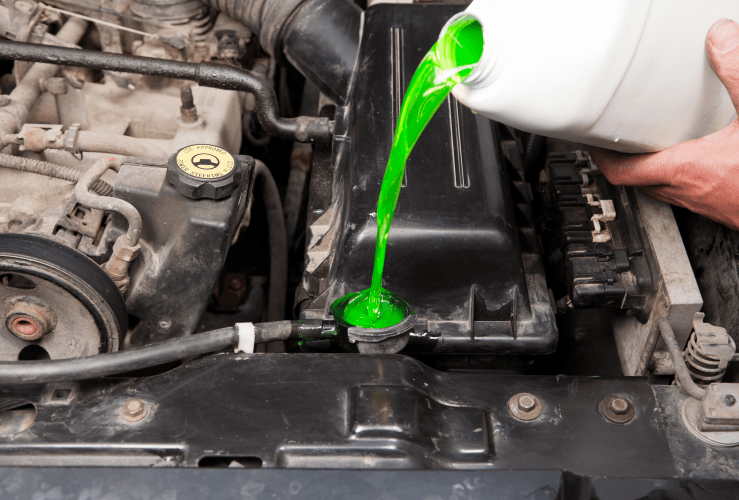
Image Source: www.startrescue.co.uk
Grapsing How Car Heating Works
Your car’s heater is not like a heater in your home that uses electricity or burns fuel directly for heat. A car heater uses heat that is already made by the engine.
The engine gets very hot when it runs. To keep it from getting too hot, a special liquid called coolant flows through the engine. This coolant picks up the engine’s heat.
This hot coolant then flows through a small radiator inside your dashboard. This small radiator is called the heater core.
A fan, called the blower motor, blows air across this hot heater core.
The air gets warm as it passes over the heater core.
Then, this warm air comes out of the vents in your car, making you feel warm.
So, for your heater to work, you need:
* Enough hot coolant flowing.
* The heater core to be clear so hot coolant can go through.
* The blower motor to blow air.
* Doors (blend doors) to direct the air.
* Controls (like knobs or buttons, part of the HVAC control module) to tell the system what to do.
If any part of this chain breaks, your heater might stop working.
Issues with Coolant Flow
The most common reasons for no heat involve the engine’s cooling system. This system keeps the engine from getting too hot, but it also provides the heat for the cabin.
Low Coolant Level
A simple and very common reason for no heat is not having enough coolant in the system. Coolant is a mix of antifreeze and water. It flows through the engine and then through the heater core.
If the low coolant level car is a problem, there might not be enough hot liquid to reach the heater core. Or, the liquid that is there might not be hot enough or flowing well.
You might see the engine temperature gauge rising higher than normal if the coolant is very low. Or, it might show normal, but you just don’t get heat inside.
- How to check: Look at the coolant reservoir under the hood. It’s usually a clear plastic tank. It should have lines showing MIN and MAX. The coolant level should be between these lines when the engine is cold.
- Why is it low? Coolant doesn’t just disappear unless there is a leak. A radiator coolant leak is a common reason. Leaks can also happen from hoses, the water pump, the heater core itself, or even the engine gasket.
Radiator Coolant Leak
A leak in the system means coolant escapes. If coolant leaks out, the level drops. As the level drops, less hot coolant gets to the heater core.
A radiator coolant leak is a frequent culprit. The radiator is at the front of the car and cools the engine’s hot coolant. If it leaks, the overall coolant level goes down.
Leaks can be small drips or large puddles. You might see green, orange, pink, or yellow liquid under your car. The color depends on the type of coolant used.
Other places for leaks include:
* Hoses: Tubes that carry coolant. They can crack or loosen.
* Water pump: A pump that pushes coolant through the system. It can leak as it gets old.
* Heater core: The small radiator inside the car. If it leaks, you might see coolant on the floor mat on the passenger side or smell a sweet odor.
Finding a leak can be hard. Sometimes, it only leaks when the engine is hot and the system is under pressure.
Air in Cooling System
The cooling system should be full of liquid (coolant). If air gets into the system, it can cause problems. Air pockets can block the flow of coolant.
If there is air in cooling system, hot coolant might not reach the heater core properly. Air pockets can sit in the heater core, stopping hot coolant from getting in.
This is often a problem after someone works on the cooling system, like replacing a radiator or hose, and doesn’t properly remove all the air. This is called “bleeding” the system.
Symptoms of air in the system can include:
* No heat inside the car.
* Engine temperature gauge going up and down.
* Gurgling sounds from the dashboard.
Getting the air out usually involves a special process called bleeding the cooling system.
Clogged Heater Core
Think of the heater core as a small radiator. Hot engine coolant flows through many small tubes inside it. Air blows across these tubes to pick up the heat.
If these tubes get blocked, hot coolant cannot flow through. This means no heat gets to the air blowing over it. A clogged heater core is a common reason for no heat, especially in older cars.
The blockages are usually caused by:
* Dirt or rust from the cooling system.
* Gunk from mixing different types of coolants.
* Stop-leak products used to fix leaks. These can block the leak but also block the heater core tubes.
If the heater core is clogged, sometimes you get a little bit of warm air, but not much. Or, you might get hot air on one side of the car but cool air on the other. This happens if only part of the heater core is blocked.
Fixing a clogged heater core can be difficult. Sometimes flushing the system helps. But often, the heater core needs to be replaced. This job can be costly because it’s often deep inside the dashboard.
Water Pump Failure
The water pump is like the heart of the cooling system. It pushes coolant through the engine, radiator, heater core, and back again.
If the water pump failure happens, coolant stops moving. Without the pump working, hot coolant doesn’t get to the heater core.
Signs of a bad water pump include:
* Engine overheating (this is serious!).
* Leaking coolant from the front of the engine.
* Grinding or whining noise from the pump area.
* No heat in the car.
A failed water pump is a major issue. It needs to be fixed right away to prevent the engine from overheating and getting damaged.
Car Thermostat Stuck Open
The thermostat is a small valve that controls coolant flow. It stays closed when the engine is cold, helping it warm up faster. Once the engine reaches the right temperature, the thermostat opens. This allows coolant to flow to the radiator for cooling.
If the car thermostat stuck open, coolant flows through the radiator all the time, even when the engine is cold or just warming up. This keeps the engine temperature lower than it should be.
If the engine doesn’t reach its normal hot temperature, the coolant won’t be hot enough to properly heat the inside of the car. You might get cool or only slightly warm air.
Signs of a thermostat stuck open can be:
* The engine temperature gauge stays low.
* The engine takes a very long time to warm up.
* Poor fuel economy (because the engine runs cooler).
* No good heat inside the car.
A thermostat stuck closed is worse; it causes the engine to overheat quickly. But a thermostat stuck open prevents proper heating. Replacing the thermostat is usually not a difficult or expensive job.
Issues with Air Movement
Even if you have hot coolant flowing to the heater core, you still need air to blow across it and into the car.
Blower Motor Not Working
The blower motor is the fan that pushes air into the car’s cabin. It blows air over the heater core (for heat) or the evaporator (for A/C).
If the blower motor not working, no air comes out of your vents. You might hear the engine and feel the vents are open, but there’s no airflow.
Reasons a blower motor might not work include:
* The motor itself is broken.
* A resistor that controls fan speed is bad (sometimes only certain speeds work).
* A bad switch or control on the dashboard.
* A blown car heater fuse.
If you turn the fan speed up and hear nothing, the blower motor or its power supply is likely the problem. Checking the fuse is a good first step.
Car Heater Fuse
Like other electrical parts in your car, the blower motor and control system have fuses to protect them.
If the car heater fuse for the blower motor blows, the motor won’t get power and won’t turn on.
Checking fuses is simple. Your car’s owner’s manual shows where the fuse boxes are (usually under the dash or under the hood) and which fuse does what. Pulling the fuse out and looking at it tells you if it’s blown (the wire inside will be broken).
If a fuse blows often, there’s a bigger electrical problem causing it.
Issues with Controls
Modern cars have complex systems to control the temperature, airflow direction, and fan speed. Problems with these controls can prevent heat.
Blend Door Actuator
Inside your dashboard are flaps or doors that direct airflow. One important door is the blend door. This door mixes hot air from the heater core and cool air from outside (or the A/C evaporator). By changing the position of this door, you control the temperature of the air coming out of the vents.
An electric motor called a blend door actuator moves this door.
If the blend door actuator fails, the blend door can get stuck. If it gets stuck in the cool air position, no matter how hot the heater core is, you’ll only get cool air.
Signs of a bad blend door actuator can include:
* No heat (or only cold air) even when the engine is warm.
* Clicking or tapping noises from behind the dashboard when you change temperature settings.
* Temperature stuck on hot or cold.
Replacing a blend door actuator can be easy or hard depending on where it is located. Some are easy to reach, others require taking apart a lot of the dashboard.
HVAC Control Module
The HVAC control module is the electronic brain that manages the heating, ventilation, and air conditioning system. This includes the buttons, knobs, or touch screen you use to set temperature, fan speed, and airflow direction.
This module receives your commands and sends signals to the blower motor, blend door actuators, and other parts.
If the HVAC control module fails, it might not send the right signals. This could mean:
* The blower motor doesn’t turn on.
* The blend door doesn’t move to the hot setting.
* No air comes out of the correct vents.
* The display doesn’t work.
Problems with the control module are less common than mechanical issues like a clogged heater core or low coolant. But they can happen, especially in cars with complex electronic systems. Diagnosing a bad control module often requires special tools used by mechanics.
Table: Common No-Heat Problems & Signs
Let’s look at the main reasons for no heat in a car.
| Problem | What it is | Common Signs |
|---|---|---|
| Low Coolant Level | Not enough liquid in the cooling system. | No heat or weak heat; engine might overheat; see coolant tank level is low. |
| Radiator Coolant Leak | Coolant is escaping from a part of the system. | Puddle under the car; coolant smell; low coolant level; engine might overheat. |
| Air in Cooling System | Air bubbles blocking coolant flow. | No heat; gurgling sounds from dash; engine temp jumps around. |
| Clogged Heater Core | Small radiator in dash is blocked inside. | No heat or weak heat; heat on one side, cold on other; sweet smell inside car (if leaking too). |
| Water Pump Failure | Pump that moves coolant is broken. | Engine overheats fast; leaking from pump area; noise from pump; no heat. |
| Car Thermostat Stuck Open | Valve stays open, engine runs too cool. | Engine temp gauge stays low; engine takes long to warm; poor heat. |
| Blower Motor Not Working | Fan that pushes air isn’t running. | No air comes out of vents at any speed. |
| Car Heater Fuse | Fuse for blower motor or controls is blown. | Blower motor doesn’t work; sometimes other controls don’t work. |
| Blend Door Actuator | Motor that moves the temperature door is broken. | No heat (stuck cold) or only hot air (stuck hot); clicking noise from dash. |
| HVAC Control Module | Electronic control panel is faulty. | Controls don’t work; no fan; no temperature change; display off. |
Looking Deeper at Common Issues
Let’s explain some of these problems a bit more simply.
Interpreting Low Coolant Issues
Imagine your car’s cooling system as a closed loop of pipes and radiators. Coolant fills this loop. The engine gets hot, and the coolant picks up that heat. It then travels to the heater core and the main radiator to release heat.
If the low coolant level car issue exists, this loop isn’t full. The pump might be trying to push liquid, but it’s also sucking air. This prevents proper flow. It’s like trying to drink from a straw with holes in it – you don’t get a full drink.
Why does the level get low? As mentioned, leaks are the main reason. A radiator coolant leak is common because the radiator is exposed to the elements and can be hit by rocks or just wear out. Hoses also get old, crack, and leak. Even small leaks add up over time.
If you notice your coolant level is low, just adding more coolant isn’t a fix by itself. You need to find out why it’s low. Ignoring a leak means you’ll keep losing coolant, and the engine could eventually overheat, causing very expensive damage.
Comprehending Heater Core Problems
The heater core is like a mini version of your car’s main radiator, but it’s inside the car under the dashboard. Hot engine coolant flows through it.
A clogged heater core is like having blocked arteries. The coolant can’t flow freely through the tiny tubes. This stops the heat transfer.
What causes clogs? As coolant gets old, it can break down. Rust and mineral deposits can form in the cooling system, especially if the coolant isn’t changed as recommended. Mixing different types of coolants that are not designed to be mixed can also create a jelly-like substance that causes blockages. Using “stop-leak” products, which are meant to plug small leaks, can accidentally plug the small tubes in the heater core as well.
Symptoms often include weak heat, or heat that is only warm when the engine is running at high speed (like on the highway) but gets cold when you stop. This is because at higher speeds, the water pump pushes harder, forcing a little more coolant through the partial blockage.
Replacing a heater core is often a big job because it’s located deep inside the dashboard. The mechanic usually has to remove the entire dashboard. This makes the labor cost high.
Deciphering Airflow and Control Issues
Even if the cooling system is working perfectly and the heater core is hot, you still need air to blow across it.
The blower motor not working means no air moves. Period. If you turn the fan speed up and feel nothing from the vents, the blower motor or its power source is the problem. Start with the simple things first. Check the car heater fuse. If the fuse is good, the issue could be the blower motor itself, the blower motor resistor (which controls the fan speeds), or the switch/control on the dashboard.
If air is blowing, but it’s always cold, even when the engine is hot, the issue is likely with how the air is mixed. This points to the blend door actuator. This little motor moves a door that controls the mix of hot and cold air. If it’s broken or stuck, the door doesn’t move to let hot air into the mix. You might hear a clicking noise if the actuator is trying to move but can’t.
Finally, the entire system is managed by the HVAC control module. This is where you set the temperature, fan speed, and where the air comes out. If this module fails, it might not send signals to turn on the blower motor, move the blend door, or open other flaps that direct airflow. This is like the conductor of an orchestra being sick – the musicians (the parts) might be fine, but they don’t know when to play.
Air in Cooling System Explained Simply
Imagine filling a water pipe with water. If you don’t fill it just right, you can trap bubbles of air inside. These air bubbles don’t flow like liquid.
The cooling system is like a loop of pipes. Coolant flows through it. If air gets into this loop, it can gather in high spots, like the heater core.
An air in cooling system problem means these air pockets are blocking the path for the hot coolant. Hot coolant might not reach the heater core at all, or only partly fill it.
This happens most often after:
* The cooling system is drained (like when replacing a radiator or hose).
* The engine overheats badly (which can boil coolant and create steam/air).
* There’s a small leak where the system pulls in air as it cools down.
Getting the air out requires a process called “bleeding” or “burping” the cooling system. This involves running the engine with the radiator cap off (or using a special funnel) to let the air escape. If not done right, air pockets remain.
Water Pump: The Heartbeat
The water pump failure is a serious issue. The water pump has an impeller (like a fan blade) that spins and pushes coolant through the engine and radiators.
If this impeller is broken, or if the bearing the pump spins on fails, or if the pump leaks badly, the coolant stops moving.
Without coolant moving, the engine quickly gets too hot. This can warp metal parts in the engine and cause very costly damage.
A sign that might come before total failure is a noise from the pump area (a grinding or whining sound) or a small leak. But sometimes, it just stops working, leading to sudden overheating and no heat inside the car because hot coolant isn’t reaching the heater core.
Steps to Take When Your Car Has No Heat
If you turn on your heater and only get cold air, don’t worry too much at first. Here are some simple things to think about or check.
- Check the Coolant Level: Look at the coolant tank under the hood when the engine is cold. Is the liquid between the MIN and MAX lines? If it’s low, add the correct type of coolant (check your owner’s manual). But remember, if it was low, there’s probably a leak!
- Check the Fan: Turn on the fan (blower motor) to high. Do you feel air coming out of the vents? If not, the blower motor or its power (like the car heater fuse) might be the issue.
- Check the Temperature Dial: Make sure the temperature control is set all the way to hot. Sometimes it’s just a simple setting problem.
- Feel the Hoses: After the engine has run for 10-15 minutes (be careful, things are hot!), feel the two large hoses going into the firewall (the metal wall between the engine and the car interior). These go to the heater core. Both should feel hot if coolant is flowing through the heater core. If one is hot and the other is cold, the heater core might be clogged or there’s air in the system. Only do this if you are comfortable and know where these hoses are. Be careful of hot engine parts.
- Listen for Noises: Do you hear clicking or tapping from behind the dash when you change the temperature setting? This could be a blend door actuator. Do you hear gurgling? This could be air in cooling system.
If these simple checks don’t find the problem, it’s time to see a mechanic. Heating system issues can be tricky, and some require special tools or knowledge to fix safely and correctly.
Simple Maintenance Tips
Preventing heating problems often comes down to taking care of your cooling system.
- Change Coolant: Follow your car’s service schedule for changing the engine coolant. Old coolant is less effective and can become dirty, leading to a clogged heater core or other blockages.
- Check for Leaks: Periodically look under your car for puddles. Check hoses and connections for cracks or leaks. Address a radiator coolant leak or any other leak quickly.
- Keep Coolant Level Full: Check the coolant reservoir level regularly, maybe once a month. If it’s low, find out why. Just topping it off isn’t a long-term solution if there’s a leak.
- Fix Overheating: If your engine starts to overheat, stop driving as soon as it is safe. Overheating can damage the engine and the cooling system parts, like causing a water pump failure or creating air in cooling system.
By keeping the cooling system healthy, you help ensure you’ll have heat when you need it.
Summing Up the Causes
Having no heat in your car on a cold day is not fun. The reasons why the heat stops working usually fall into a few main groups:
- Not enough hot coolant: This is often due to a low coolant level car, caused by a radiator coolant leak or leaks elsewhere. A water pump failure also stops coolant flow.
- Hot coolant isn’t getting through: A clogged heater core or air in cooling system stops hot coolant from reaching the inside. A car thermostat stuck open means the coolant isn’t getting hot enough in the first place.
- Air isn’t blowing: The blower motor not working means no air moves over the heater core. This could be the motor itself or a simple car heater fuse.
- The system isn’t mixing air right: A bad blend door actuator means the system can’t add hot air.
- The controls are broken: A problem with the HVAC control module can stop the whole system from working correctly.
These are the most common culprits. Some are simple fixes, like adding coolant or changing a fuse. Others, like replacing a heater core or water pump, are bigger jobs.
No matter the cause, getting your heat fixed is important for comfort and safety when driving in cold weather.
Frequently Asked Questions
Q: Can a low coolant level really stop the heat but the engine temperature looks okay?
Yes. The heater core is often at a higher point in the cooling system. If the coolant level is just a little bit low, there might still be enough coolant lower down to keep the engine from severely overheating, but not enough to reach the heater core effectively.
Q: If my blower motor works but only blows cold air, what does that usually mean?
If the fan is blowing air but the air is cold when the engine is warm, the problem is usually that hot coolant isn’t getting to the heater core, or the system isn’t mixing hot air in. A clogged heater core, air in cooling system, a car thermostat stuck open, or a bad blend door actuator are common reasons.
Q: Can a bad radiator cap cause heating problems?
Yes, indirectly. A bad radiator cap might not hold pressure properly. The cooling system needs pressure to work efficiently and keep coolant from boiling. A cap that leaks pressure can lead to coolant loss over time (a slow radiator coolant leak) or allow air in cooling system.
Q: Is it expensive to fix car heat?
It depends on the problem. Fixing a low coolant level car or replacing a car heater fuse is cheap. Replacing a car thermostat stuck open is usually not too expensive. However, replacing a clogged heater core or a water pump failure can be costly because of the labor involved in reaching the part. A new HVAC control module can also be expensive.
Q: How can I tell if my heater core is clogged?
Besides poor or no heat, signs include lukewarm air that gets slightly warmer when the engine is revved higher, or sometimes heat on one side of the car but not the other. In some cases, the heater core might be partially clogged but also leaking, causing a sweet smell inside the car or wetness on the passenger floor.
Q: What’s the difference between coolant and antifreeze?
Antifreeze is concentrated liquid. Coolant is the mixed liquid, usually 50/50 antifreeze and water. The mix helps prevent freezing in winter and boiling in summer, and also prevents rust. When you add liquid to your car, you usually add the mixed “coolant.”
Q: Why would I hear clicking from my dashboard?
Clicking or tapping sounds, especially when changing temperature settings, often mean there is a problem with a blend door actuator. It’s trying to move the door but can’t, causing the gears inside to click.
Q: Can I drive without a working heater?
Yes, you can drive the car without a working heater in terms of the engine running. The heating system uses engine heat but doesn’t directly affect the engine’s operation (unless the problem causing no heat is something serious like engine overheating due to low coolant level car or water pump failure). However, driving in cold weather without heat is uncomfortable and can be unsafe if the windshield fogs up and you can’t clear it. If the lack of heat is due to an overheating engine issue, you should not drive the car until that is fixed.
Q: Is a blown fuse the only reason my blower motor won’t work?
No. While a blown car heater fuse is one possibility, the blower motor itself could be bad, the resistor that controls fan speed could be faulty (often causing only the highest speed to work, or no speeds to work), or there could be an issue with the switch or the HVAC control module.
Q: Can simply adding coolant fix the air in cooling system problem?
Adding coolant fills the system, but it doesn’t always remove trapped air bubbles. A special process called bleeding or burping is needed to get the air out. If you just add coolant without bleeding, the air pockets might remain and still cause problems with heating or even engine temperature.
Q: My car blows hot air on the driver’s side but cold air on the passenger side. What could that be?
This is a classic symptom of a partially clogged heater core. Coolant might be flowing through one side but not the other. It can also sometimes be related to problems with blend doors or actuators in dual-zone climate control systems.