Can you junk your car with a lien on it? Generally, no, you cannot junk a car that has a lien on it without first dealing with the outstanding loan because the lienholder (usually a bank or credit union) legally owns the car until the debt is paid off. Junking a car requires proof of ownership, which means you need a clear car title without a lien. Selling a car with an outstanding loan, even for scrap, is a complex process that involves the lienholder.
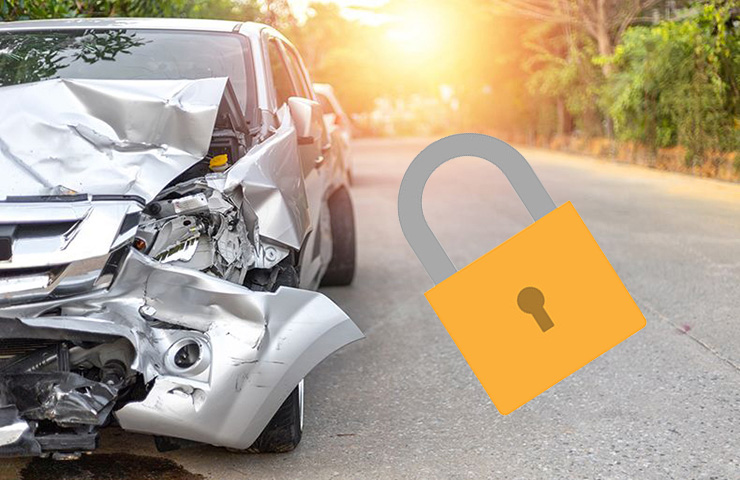
Image Source: towingandscrapcarremoval.ca
Grasping the Lien on Your Car Title
What is a lien on a car title? It’s a legal claim against your car. When you get a loan to buy a car, the lender puts a lien on the title. This shows that they have a financial interest in the car. They essentially own the car until you pay off the loan.
Think of it like this: The title is the car’s birth certificate. When there’s a lien, it’s like a note on the certificate saying, “This car belongs to the lender until the loan is gone.”
Why do lenders do this? It protects their money. If you stop making payments, they can take the car back and sell it. This is how they get their money back.
Having a lien on your title means you don’t fully own the car yet. You are the registered owner. But the lender is the legal owner. This is a key point. It affects what you can do with the car.
Selling, trading, or junking the car is hard with a lien. You need the legal owner’s OK. The legal owner is the lienholder.
The lien stays on the title until the loan is paid in full. Once the last payment is made, the lender removes the lien. They sign off on the title. Or they send you a lien release document. You then take this to your local Department of Motor Vehicles (DMV) or similar office. They will issue you a new title. This new title will be clear. It will show that you are the sole owner.
This clear title is needed for many things. It is needed to sell the car easily. It is needed to trade the car in. And it is needed to junk the car legally.
So, the first step is knowing if you have a lien. Check your car title papers. If you don’t have the title, contact your lender. They can tell you if there is a lien. They can also tell you how much you still owe. This is called your loan payoff amount.
Why a Lien Stops You From Junking Easily
Junking a car means selling it for parts or scrap metal. Junk yards or salvage yards buy these cars. They break them down. They sell parts. They sell the metal for scrap.
When you junk a car, you transfer ownership. You sign the title over to the junk buyer. The buyer needs a clear title. They need to know they own the car fully. This lets them take it apart and sell it.
But what if there is a lien? The title is not clear. The lienholder still has a claim on the car. You cannot legally sell the car without the lienholder’s permission. This includes selling it to a junk yard.
If you sell a car with a lien without telling the lender, it is illegal. The lender can come after you. They can also come after the buyer. This is why most junk car buyers won’t buy a car with a lien. They don’t want the legal problems. They need a clean title. A junk car title with lien is not usually accepted by legitimate buyers.
The junk yard needs to be sure they own the car. They pay you money for it. In return, they expect to get the title. They expect the title to be free of any claims. If there is a lien, the original lender could show up later. They could say they still own the car. This causes a big problem for the junk yard.
So, the simple act of selling a financed car for junk metal or parts is complicated. The car is still security for the loan. The lender has rights to it.
This means you cannot just call a junk service. You cannot just give them the car and the title (with the lien still on it). They will ask about the lien. They will say no.
You must deal with the lien first. This usually means paying off the loan. Only then can you get a clear title. Only then can you junk the car.
It might seem unfair. The car might be old. It might not run. It might be worth very little. But the loan agreement does not change. You agreed to pay back the money. The car is the guarantee for that promise.
How to Get Rid of a Car With a Loan on It
Getting rid of a car with a loan is different from selling a car you own outright. When you have a loan, the process always involves the lienholder. This is true whether you want to sell it, trade it in, or junk it.
Here are the main ways people get rid of a car that still has a loan:
- Sell the car for more than you owe: This is the ideal situation. You find a buyer. The buyer pays you the price. You use that money to pay off the loan completely. The lender sends you the clear title. You give the clear title to the buyer. Any money left over is yours. This works if the car is worth more than the loan amount.
- Sell the car for less than you owe (Short Sale): This happens if the car is worth less than the loan balance. This is called being “upside down” or having “negative equity.” You find a buyer. The buyer pays the market value. This amount is less than your loan payoff. You still have to pay the lender the difference. The lender releases the lien once they get the full payoff amount (your buyer’s money plus your money). Then you get the clear title to give to the buyer. Not all lenders allow this. You must get lienholder permission to do a short sale.
- Trade-in the car: You trade the car to a dealership. The dealership buys the car from you. They pay off the loan. If the trade-in value is less than the loan, they add the difference to the price of your new car. This is called rolling over the negative equity. It means you owe even more on your new car. If the trade-in value is more than the loan, you can use the extra money towards the new car.
- Keep the car and pay off the loan: You simply continue making payments until the loan is gone. Once paid, the lien is removed. Then you own the car fully. You can then sell it, trade it, or junk it easily.
- Voluntarily surrender the car: You give the car back to the lender. They will sell it at auction. They will use the money to pay off some of your loan. You will still owe the rest of the loan balance, plus fees. This is very bad for your credit.
- Dealership buy-back programs: Sometimes, dealerships offer to buy back certain models, even if you still owe money. This is rare and depends on demand for that specific car.
None of these options are ideal if your goal is simply to junk a car that is not running or is worth very little. They all focus on selling or returning a usable vehicle. Junking is different. It assumes the car has little to no value as a vehicle.
This brings us back to the main problem: a car with a lien still represents debt. Getting rid of the car does not get rid of the debt. The debt must be paid.
Interpreting Car Loan Payoff When Junking
What happens with your car loan payoff when junking? This is the key question. When you junk a car, you get paid for its scrap value or parts. This amount is usually very small. It is almost always much less than what you still owe on a car loan.
Let’s say you still owe $5,000 on your car loan. You want to junk the car because it doesn’t run. A junk yard offers you $300 for it.
If you could legally junk the car (which, as we know, you usually can’t with a lien), you would get $300. This $300 does not pay off your $5,000 loan. You would still owe the lender $4,700.
The lender does not care that the car is junk. They care about the loan contract. You promised to pay them $5,000 (plus interest). You used the car as collateral. If the car is junked, the collateral is gone. But the debt is not.
The lender still expects you to pay the full amount owed. They do not get their money from the junk yard. They expect you to pay them.
This is why it is so hard to junk a car with a lien. The small amount of money you get from the junk yard is not enough to pay off the loan. And you cannot get a clear title to sell it to them until the loan is paid off. It’s a catch-22.
The steps you would need to take (even though it’s unlikely a junk yard will participate):
- Get the exact loan payoff amount from your lender. This changes daily because of interest.
- Find a junk yard willing to buy the car despite the lien (very rare). Let’s pretend you find one.
- Agree on a price with the junk yard ($300 in our example).
- You would then need to come up with the remaining loan balance ($5,000 – $300 = $4,700).
- You would need to pay the lender the full $5,000 using the $300 from the junk yard plus your $4,700.
- Once the lender gets the full $5,000, they release the lien. They send you the clear title.
- You sign the clear title over to the junk yard.
- You give the junk yard the car.
As you can see, the money from junking does almost nothing to pay off the loan. You are still responsible for nearly the entire loan amount out of your own pocket.
Most people who are junking a car do so because the car is old, broken, and they don’t want to spend money fixing it. They certainly don’t want to spend thousands of dollars to pay off a loan on a car that is only worth a few hundred dollars for scrap.
This means that getting rid of a car with a loan that is junk is extremely difficult. You must deal with the loan first. The value you get from junking won’t help much.
Why Lienholder Permission is Key to Junking
We’ve touched on it, but let’s make it crystal clear: You need lienholder permission to junk a car with a lien on it. Without their permission, you cannot legally transfer ownership. And transferring ownership is what happens when you junk a car. You sell it to the junk yard.
The lienholder is the legal owner. They have the right to control what happens to the car until the loan is paid. Selling the car for scrap metal removes their collateral. They will not allow this unless they are sure they will get their money back.
Can you call your lender and ask, “Can I junk my car that you have a lien on?” You can, but the answer will almost certainly be no. Or, they will say yes, if you pay off the entire loan first.
Here’s why they won’t just say yes:
* Loss of Collateral: The car is their safety net. If you stop paying, they can take the car and sell it. If the car is junked, their safety net is gone.
* Value: They know a junk car is worth very little. They know the scrap value won’t cover the loan. They want the full loan amount back.
* Contract: Your loan contract says you must maintain the car. It says you cannot transfer ownership without their approval. Junking is transferring ownership and destroying the collateral.
So, getting lienholder permission to junk car is usually not an option. Their priority is getting their loan repaid. Junking prevents them from recovering funds by repossessing and selling the vehicle.
The only way they would agree is if you pay the car loan payoff when junking the vehicle. This means you pay them the full balance owed. Once they have their money, they release the lien. Then you own the car outright. Then you can junk it without needing their permission anymore.
In summary, you cannot legally junk a car with a lien unless you first pay off the loan and get a clear title. The lienholder must be satisfied financially before they remove their claim.
Options for Junking a Car With a Lien
Okay, so you know you cannot just junk a car with a lien easily. But what are your actual options if you have a junk car and still owe money on it? It’s a tough spot. Here are the possibilities, none of which are simple or cost-free if you owe more than the car is worth:
- Pay off the loan first: This is the most legal and proper way. Calculate your loan payoff amount. Find the money to pay the lender the full balance. Once the loan is paid, the lien is removed. You get a clear title. Then you can junk the car easily. A junk yard will buy it with a clear title. This is the best option if you have the funds available.
- Sell the car as-is to a private buyer: Instead of junking, try selling the car as-is. Maybe someone wants it for parts or can fix it cheaply. You would still need to involve the lienholder. You’d do a transaction where the buyer pays money, you add enough to cover the full loan amount, you pay the lender, the lender releases the lien, and you give the title to the buyer. This is essentially selling car with outstanding loan. It’s hard because the car is junk and might not sell for much.
- Sell the car as-is to a dealership: Some dealerships might buy non-running cars. Again, the lien complicates things. They would factor the payoff into their offer. You would likely get very little, if anything, after the loan is handled. They would facilitate paying off the lienholder to get a clear title.
- Keep the car and continue paying: If you can’t pay off the loan and can’t sell the car for enough, you might have to keep paying the loan even though the car is junk. You’ll be paying for a car you can’t use. This is not ideal financially, but it avoids default. Once the loan is paid, you can junk the car cleanly.
- Voluntarily surrender the vehicle: Give the car back to the lender. They will try to sell it. As it’s junk, they won’t get much. You will still owe the difference between the loan balance and what they got from selling the junk car, plus fees. This hurts your credit score badly. It should be a last resort.
- Negotiate with the lienholder: Explain your situation. The car is junk. You can’t pay. Sometimes, rarely, a lender might work with you. They might agree to a lower settlement amount, but don’t count on this. They are in the business of getting their money back. They might be more willing to work with you if you are making payments but the car died, versus if you stopped paying.
- Explore Defective Vehicle Laws (Lemon Laws): This is only if the car became junk due to major defects shortly after you bought it. Lemon laws allow you to get a replacement or refund. However, this is very specific and complex. It won’t apply to a car that became junk due to age, wear, or an accident years after purchase.
Notice that “calling a junk yard and having them haul it away for cash” is not a viable option when there’s a lien. You cannot do this legally.
The most realistic options involve dealing with the loan balance directly. Either you pay it off, or you try to sell the car for as much as possible (involving the lender) and pay the remaining balance. If you can’t do either, you face difficult choices like continuing to pay for a junk car or facing serious credit damage from surrender/default.
Searching for a Junk Car Buyer With Lien Experience
Can you find a junk car buyer with lien experience? Yes, such buyers exist, but their process isn’t magic. They don’t just ignore the lien. They operate by helping you facilitate the payoff process.
These specialized buyers understand the issue of selling financed car for junk. They know they cannot get a clear title until the lien is removed. Their service usually involves:
- Getting the Payoff Amount: They will ask for your lender’s information. They will help you get the exact loan payoff amount.
- Assessing the Car’s Value: They will look at the car’s junk value (scrap metal, salvageable parts).
- Calculating the Difference: They will compare the junk value to your loan payoff amount.
- Structuring the Payment: This is where you come in. The junk buyer’s offer for the car will almost certainly be less than the loan payoff. You will need to provide the difference.
- Example: Loan payoff is $3,000. Junk value is $400. You need to bring $2,600 ($3,000 – $400).
- Handling the Transaction with the Lender: The buyer might coordinate paying the lender directly. You would give the buyer your share ($2,600), and they would add their offer ($400) and send the full $3,000 to the lender.
- Receiving the Clear Title: Once the lender gets the full payoff, they release the lien. They send the clear title to you or directly to the buyer (depending on state rules and how the buyer operates).
- Taking the Car: With the lien released and the title clear, the buyer can legally take the car.
So, a junk car buyer with lien experience doesn’t bypass the lien. They help you navigate the process of paying off the lienholder so they can get a clear title. This is still how to junk a car with a lien legally. You are still responsible for the loan payoff.
Finding such a buyer might be helpful because they know the paperwork. They know how to talk to lenders. They can make the process smoother than you doing it all yourself. However, they still require that the lien be satisfied before they take full ownership and junk the car.
Be wary of any “junk car buyer” who says they will take your car with a lien and handle everything without requiring you to pay the loan difference. This is likely a scam or an illegal operation. They might try to just take the car without getting a proper title, which can cause you legal problems later if the lender tracks the car down. Always ensure the lien is officially released by the lender and you get confirmation.
The Complicated World of a Junk Car Title With Lien
Dealing with a junk car title with lien is the core of the problem. The physical title document itself might show the lienholder’s name. Or, in some states, the lien information is only recorded electronically. Either way, the state DMV records show the lien.
When you junk a car, the buyer needs the title signed over to them. This transfers ownership. But you cannot legally sign over a title that has a lien on it unless the lienholder has released their claim.
Here’s how it should work with a clear title:
1. You agree to sell the junk car.
2. You sign the “Seller” part of the title.
3. The buyer signs the “Buyer” part.
4. You give the buyer the signed title and the car.
5. The buyer takes the signed title to the DMV to put the car in their name (often as a “junk” or “salvage” vehicle).
Here’s why it doesn’t work with a lien:
1. You agree to sell the junk car.
2. You cannot sign the title because the lienholder’s name is on it, or the DMV records show the lien. You don’t have the full right to transfer ownership.
3. The buyer cannot accept a title with a lien. The DMV will not allow them to transfer ownership into their name with an active lien on record.
4. The sale cannot be completed legally.
The only way around this is for the lien to be removed before or at the moment of the sale. This means the loan must be paid off.
Once the loan is paid, the lienholder sends a “Lien Release” document. This is often a signed form or a letter on their letterhead. You take this document and your title (or apply for a new one) to the DMV. The DMV processes the lien release. They then issue you a new title that shows no lien. This is a clear title.
With this clear title, you can then legally sell the junk car. You sign the clear title over to the junk yard. They can then properly register it as salvage or junk and proceed with dismantling it.
So, if you have a junk car with a lien, the title itself is a barrier. You must clear the lien to get a usable title for selling, even for junk. This circles back to the need to pay off the loan. The concept of a “junk car title with lien” is almost a non-starter for a legal transaction. The lien must be removed first.
How to Junk a Car With a Lien: Step-by-Step (The Realistic Approach)
Since you cannot truly “junk” a car with an active lien in the traditional sense (just selling it for scrap value), the process is really about getting rid of the car and the loan. Here is the realistic step-by-step guide on how to address the situation:
Step 1: Confirm the Lien and Loan Balance
* Check your car title for the lienholder’s name.
* Contact your lender. Ask for your exact loan payoff amount. This is crucial. It’s not just your last statement balance; it includes interest up to the day you plan to pay.
Step 2: Evaluate the Car’s Worth (Beyond Scrap)
* Even if it’s junk to you, could it be sold as-is for a bit more than scrap? Get opinions from mechanics or people who buy non-running cars.
* Look up its value on sites like Kelley Blue Book or NADA Guide as a non-running or salvage vehicle (though these sites focus on running cars, they might give a rough idea of what it would be worth if fixed).
Step 3: Compare Loan Balance to Car’s Potential Value
* Scenario A: Loan Balance is less than what you might sell the car for as-is (even if not running). You might be able to sell the car privately or to a dealer. You’d involve the lienholder in the sale to transfer the title properly upon payoff. The money from the sale goes towards the loan. You pay any small remaining balance.
* Scenario B: Loan Balance is much more than the car’s value (as-is or scrap). This is the most likely situation for a “junk car with a lien.” You are “upside down” on the loan.
Step 4: Address Scenario B (Most Common for Junk Cars with Liens)
- Option 1: Pay Off the Loan Yourself. This is the cleanest way. Find the money to pay the full loan payoff amount. Once paid, the lender sends you the lien release. Get your clear title from the DMV. Then you can legally junk the car. You get a few hundred dollars from the junk yard, which is a small bonus.
- Pros: Clears the debt, protects credit, easy to junk once title is clear.
- Cons: Requires significant cash out-of-pocket if you owe a lot.
- Option 2: Attempt a Sale Requiring You to Pay the Difference. Try to sell the car as-is to a private buyer or a specialized buyer who deals with liens. They will pay the car’s low value. You must provide the rest of the loan payoff amount. The buyer helps handle the paperwork to pay the lender and get the clear title.
- Pros: The buyer handles some complex steps. Gets the car off your hands.
- Cons: You still need a good amount of cash to pay the loan difference. Finding such a buyer can be hard.
- Option 3: Keep Paying the Loan. Continue making monthly payments on the loan until it’s paid off. The car sits idle. Once paid, you get the clear title and can junk the car freely.
- Pros: Avoids credit damage.
- Cons: You pay for a car you can’t use for months or years.
- Option 4: Negotiate with the Lender (Difficult). Explain the car is junk and you can’t pay off the full loan. Ask if they have any programs for distressed vehicles or if they will settle for a lower amount. This is unlikely but worth a try.
- Pros: Potentially reduces debt (rarely).
- Cons: Lenders usually won’t agree unless you can prove extreme hardship AND offer a lump sum settlement.
- Option 5: Voluntary Repossession (Last Resort). Contact the lender and tell them you want to surrender the car. They will pick it up. They will sell it (as junk, for very little). You will be billed for the remaining loan balance plus costs.
- Pros: Gets the car off your property.
- Cons: Severely damages credit. You still owe a large amount.
Step 5: Complete the Transaction (After Lien is Cleared)
- If you paid off the loan (Option 1), get your clear title.
- If you used a buyer who helped with payoff (Option 2), ensure the lender has been paid and the lien is released. Get confirmation. Make sure the title transfer happens correctly.
- Once you have the clear title in your name, you can easily sell the car to any junk yard. Get quotes, pick a buyer, sign the title, and they will haul it away and pay you the scrap value.
The process of how to junk a car with a lien isn’t about the junking part itself. It’s entirely about resolving the lien before the car can be junked legally.
Alternatives to Junking a Car With Negative Equity
If your car is worth less than the loan balance (negative equity), which is often the case for a junk car with a lien, junking isn’t the only thing to consider. While none are perfect, here are options for getting rid of car with loan and negative equity:
- Try to repair it affordably: Can the car be fixed enough to be usable or sellable for more than scrap? Get repair estimates. Compare to the loan balance. If a cheap repair makes it sellable for close to the loan value, it might be worth it.
- Sell it for parts yourself: If you or someone you know is mechanically inclined, parting out the car yourself can sometimes yield more money than selling it as a whole junk car. However, this is a lot of work. You still face the title issue – you can’t sell major components without a clear title, as the lienholder owns the whole car. This option is generally not feasible or legal with a lien.
- Donate the car: Some charities accept car donations. However, if there’s a lien, the charity cannot accept it. They would have to pay off the lien, which they won’t do for a junk car worth less than the debt.
- Use insurance if totaled: If the car was declared a total loss due to an accident, your insurance company would pay its market value. This money would go directly to the lienholder. If the payout is less than the loan, you’d owe the difference. This is a common way people end up with negative equity on a loan for a car they no longer have. This isn’t a way to choose to get rid of a junk car, but it’s how it happens if it’s totaled.
None of these alternatives eliminate the need to pay off the outstanding loan balance if the car is worth less than you owe.
Deciphering the Cost of Getting Rid of a Junk Car With a Lien
It’s important to understand the financial reality. The cost of getting rid of a junk car with a lien is primarily the cost of the loan payoff.
- Amount owed: Get the exact payoff amount. This is the main cost you need to cover.
- Junk/Scrap Value: The money you get from junking the car is a tiny reduction in this cost. If you owe $4,000 and the car scraps for $300, your net cost is still $3,700 (plus any fees from the lender or DMV).
- Fees: There might be fees from the lender for early payoff, late payments (if any), or processing the lien release. The DMV might charge a small fee for issuing a new clear title.
- Towing: If the car isn’t drivable, you’ll need to pay for towing unless the junk yard offers free towing (which many do, but confirm).
- Storage: If the car is sitting somewhere you have to pay for storage (like an impound lot), those fees add up quickly and must be paid before the car can be moved.
The money you get from selling car with outstanding loan for junk will likely only cover the towing fee or perhaps the cost of the clear title application. It will not make a dent in a significant loan balance.
The most important cost is the gap between what you owe and what the car is worth as junk. You are responsible for that gap.
Fathoming the Risks of Selling or Junking Illegally
What happens if you try to bypass the system and junk your car with a lien without telling the lender? This is strongly not recommended and can lead to serious problems.
- Breach of Loan Contract: Your loan agreement is a legal contract. It says you cannot sell, transfer, or dispose of the car without the lender’s permission. Junking it breaks this contract.
- Acceleration of Loan: Breaking the contract can allow the lender to demand the full remaining loan amount immediately.
- Legal Action: The lender can sue you for the balance owed.
- Damage to Credit Score: Defaulting on the loan or having the lender take legal action will severely damage your credit report, making it hard to borrow money for years.
- Reporting the Car Stolen: If the lender cannot find the car (because you junked it), they might report it as stolen, even though you were the one who got rid of it. This creates major legal issues for you.
- Problems for the Buyer: If you find a shady buyer who takes the car with a lien, the original lender could potentially track the car down. They could try to repossess it from the junk yard or whoever bought it, causing problems for them. This is why most legitimate businesses won’t buy a car with a lien.
Trying to get around the rules might seem easier or cheaper in the short term, but the long-term consequences are much worse than dealing with the loan properly. Selling car with outstanding loan must be done transparently with the lienholder.
FAQ: Your Questions About Junking a Car With a Lien Answered
h4 What is a lien on a car title?
A lien on a car title is a legal claim by a lender (like a bank) showing they have a financial interest in your car until you pay off the loan. They are the legal owner until the debt is cleared.
h4 Can I sell a car with a lien on the title?
Yes, but it’s complicated. You need the lienholder’s permission and cooperation. The loan must be paid off as part of the sale transaction to release the lien and give the buyer a clear title.
h4 Can a junk yard buy a car with a lien?
Legally, no, not without the lien being satisfied first. Reputable junk yards require a clear title. They cannot get a clear title from you if there is an active lien because you don’t fully own the car.
h4 Will a junk yard pay off my car loan?
No. Junk yards pay based on the scrap metal value and usable parts, which is usually only a few hundred dollars. This amount is almost never enough to pay off a car loan, which can be thousands. You are responsible for paying off the loan.
h4 What happens to the lien if I junk my car illegally?
The lien does not disappear. The lender still has a legal claim. Getting rid of the car does not get rid of the debt or the lien. The lender can still pursue you for the full loan balance and may take legal action.
h4 Do I need a clear title to junk my car?
Yes. A clear title proves you own the car fully and have the right to sell it for scrap. If there’s a lien, the title is not clear, and you cannot legally transfer ownership to the junk yard.
h4 What if my car is totaled and I still owe money?
If your insurance company declares the car a total loss, they will pay its actual cash value to the lienholder. If this amount is less than your loan balance, you will owe the lender the remaining difference (this is called a “gap”). Gap insurance can help cover this difference.
h4 Can I donate a car with a lien?
No. Charities cannot accept vehicles with liens because they cannot get a clear title to sell the car and use the funds. The lien must be removed (loan paid off) before you can donate it.
h4 What are my options if I have a junk car and owe more than it’s worth?
Your main options are to find a way to pay off the loan yourself (the best method), try to sell it for its low value and pay the difference to the lender, keep paying the loan until it’s gone, or, as a last resort, surrender the car (which harms your credit).
h4 How do I get the lien removed from my title?
You must pay off the car loan in full. Once the final payment clears, the lender will send you a lien release document. You take this document to your state’s DMV, and they will issue you a new title with no lien listed.
The Final Word: Pay Off the Debt
The main takeaway is simple: You cannot easily junk a car with a lien because the car is collateral for a loan you still owe. The lienholder has rights to the vehicle. Getting rid of the car does not get rid of the debt. To legally and properly junk a car with a lien, you must satisfy the lien first. This almost always means paying off the outstanding loan balance. Once the lender is paid and the lien is released, you will have a clear title, and you can then junk the car without any issues. Focus on dealing with the debt, and the ability to junk the car will follow.