Applying a ceramic coating gives your car paint a great layer of protection and shine. A common question is: Can I drive car after ceramic coating? The direct answer is yes, you can often drive your car relatively soon after the ceramic coating is applied. However, there is a ceramic coating wait time before driving that is really important. You need to wait until the ceramic coating dry time is finished, which is usually a few hours. But the coating still needs more time to fully harden. This is called the ceramic coating curing time. When can I drive after ceramic coating really depends on making sure you don’t hurt this curing process.
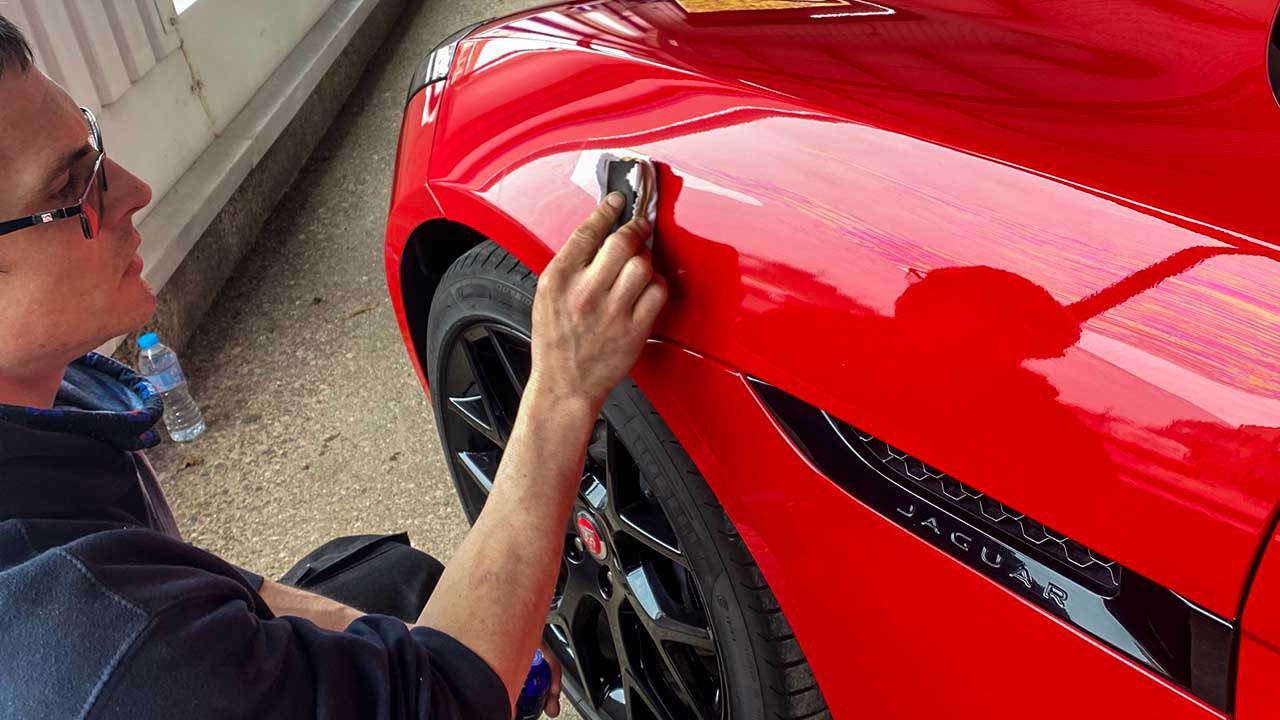
Image Source: cars.newagain.co.uk
What is Ceramic Coating?
Let’s talk simply about what ceramic coating is. It is a liquid polymer. Detailers put it on your car’s outside surfaces. It makes a chemical bond with the factory paint. It does not just sit on top like wax. It becomes part of the paint’s top layer.
This bond creates a new layer. This layer is hard. It is very clear. It protects the paint underneath. It helps against many things. These include UV rays from the sun. It helps against dirt and road grime. It helps against chemical stains. It helps against minor scratches.
A big benefit is the surface it creates. It is very slick. This means water beads up and slides off. Dirt finds it hard to stick. This makes washing your car much easier. It also keeps your car looking clean for longer. It adds a deep shine to the paint.
Ceramic coatings are very durable. They last much longer than wax or sealants. Wax might last a few months. A ceramic coating can last years. This is why many car owners choose them. They want lasting protection and shine.
Applying it takes skill. The car’s paint must be very clean first. Any scratches or swirl marks need fixing. If the surface is not perfect, the coating locks those flaws in. This is why many people have it done by pros.
Dry Time vs. Curing Time
It is key to know two different times. These are the ceramic coating dry time and the ceramic coating curing time. People often mix them up. But they are not the same.
Dry time is short. This is the time until the coating feels dry to the touch. It means the liquid has set up a bit. It is no longer wet. This stage happens pretty fast. It might only take a few hours. After this time, the coating has formed its basic shape on the paint. It is attached.
Curing time is much longer. This is the time the coating needs to fully harden. It becomes its final, strong form. Think of it like concrete. Concrete feels dry soon after you pour it. But it takes weeks to get its full strength. Ceramic coating is similar.
During the curing time, the coating is changing. It is cross-linking. This makes the protective layer strong. This process takes time. It depends on many things. Heat and moisture in the air play a big part.
The ceramic coating initial cure happens in the first 12 to 24 hours. During this time, the coating gets hard enough for some basic things. You can drive the car in dry weather. But the coating is still weak. It can be hurt easily.
The full cure takes much longer. It can take up to 7 days. Some coatings might need even longer. Up to 14 days for full hardness. During this full curing time, you must be very careful. The coating is getting stronger and stronger. But until it is fully cured, it is vulnerable.
So, can I drive car after ceramic coating after the dry time? Yes, often. But is it fully protected? No. You must respect the full ceramic coating curing time. This is key for the coating to last as long as it should.
Why Waiting Matters
There is a good reason for the ceramic coating wait time before driving. The coating needs time to bond and harden perfectly.
During the curing process, the coating is delicate. It is chemically changing. It is forming a strong, hard layer. If you mess with it during this time, you can hurt it. You can stop it from curing right.
Think about things that can hurt a curing coating:
* Water: This is a big one. If water sits on the coating before it is hard, it can leave marks. These are called water spots. The minerals in the water can stop the curing. They can etch into the soft coating. This can leave permanent spots. Or it can make the coating not bond right in that area.
* Dirt and Grime: Dust, pollen, or road dirt landing on the car while it cures can stick. They can get trapped in the curing layer. Trying to wipe them off can scratch the soft coating.
* Chemicals: Bird droppings, bug guts, tree sap. These are very bad for a curing coating. They are acidic or sticky. They can eat into the coating. They can leave dull spots or remove the coating completely in small areas.
* Washing: Using soap and water or wiping the car too soon is bad. It can mess up the curing process. It can also scratch the soft coating.
If you drive too soon, you expose the car to these things. Rain, puddles, sprinklers, dusty roads, bugs hitting the car. All these can cause problems before the coating is fully hard.
Waiting helps the coating form its strongest bond. It lets it reach its full hardness. This ensures the coating gives you the best protection and lasts the longest. Skipping the wait time is risky. It can make the coating not work as well. Or it might not last as long as it should.
Typical Wait Times After Coating
Okay, let’s talk about the actual time you need to wait. This is the ceramic coating wait time before driving.
It is important to know that times can vary. Different brands of ceramic coatings have different needs. The weather makes a difference too. The person who put on the coating should tell you the exact time for your specific case. But we can give some general ideas.
Here are some common wait times:
| Stage | What it means | Typical Time Frame | What You Can Do / Must Avoid |
|---|---|---|---|
| Dry Time | Coating is touch-dry | 1-4 hours | Avoid touching. Keep car inside. Avoid water contact. |
| Initial Cure | Coating has some hardness | 12-24 hours | Can drive in dry weather. Must avoid water, dirt, chemicals. |
| Partial Cure | Coating is getting much harder | 2-7 days | Can drive normally in dry weather. Still be careful with water/dirt. |
| Full Cure | Coating is at maximum hardness & bond | 7-14 days | Coating is fully protecting. Normal care can begin. |
When can I drive after ceramic coating? Most detailers say you can drive the car after the initial cure. This is usually 12-24 hours. But this means driving only if the weather is good. No rain! Avoid puddles.
The ceramic coating initial cure is a critical time. The coating is not fully hard. It can be hurt by water and dirt easily. Keeping the car inside during this first day is best.
After the initial cure (12-24 hours), you can usually drive. But you must be super careful for the next week or two. This is the main ceramic coating curing time. Avoid washing the car. Avoid anything sitting on the paint for long. If it rains, try to dry the car gently as soon as possible.
Waiting the full 7-14 days for complete curing is best. After this, the coating is tough. It can handle normal driving and washing.
So, the answer to how long does ceramic coating take to cure fully is 7-14 days. But the answer to when can I drive after ceramic coating is usually sooner, around 12-24 hours, but with important limits.
Factors Affecting Curing Time
The time it takes for ceramic coating to dry and cure is not always the same. Several things can change how fast it happens.
-
Temperature: Heat speeds up chemical reactions. This includes the curing of ceramic coating.
- Warmer temperatures: Coatings cure faster when it is warm. The ideal range is often between 60°F and 75°F (15°C to 24°C).
- Colder temperatures: Curing takes much longer when it is cold. Below 50°F (10°C) can really slow things down. Some coatings may not cure correctly in cold.
- Very hot temperatures: Too much heat can also be bad. It can make the coating cure too fast. This might make it brittle. Or it might not bond right.
-
Humidity: The amount of moisture in the air affects curing.
- Moderate humidity: Some moisture is actually needed for many coatings to cure properly. They react with moisture in the air.
- Very low humidity: If the air is very dry, the coating might cure too slowly. Or it might not cure fully.
- Very high humidity: Too much moisture can also slow curing. Or it can mess up the surface finish.
-
Coating Type and Brand: Not all ceramic coatings are the same.
- Professional coatings: These often need specific conditions to cure. They might use special lamps (like infrared lamps) to speed up and ensure curing. They are often more concentrated. They might have specific temperature and humidity ranges needed.
- Consumer coatings: These are made to be easier to use. They might be more forgiving with curing conditions. But they might not offer the same hardness or durability as pro coatings.
-
Thickness of Application: If the coating is applied too thick, it can take longer to cure all the way through. Detailers are trained to apply the right amount.
-
Ventilation: Good airflow helps remove solvents from the coating as it dries. This aids the initial drying phase.
Because of these factors, the detailer’s advice is key. They know the specific coating they used. They know the conditions in their shop. They can give you the most accurate ceramic coating wait time before driving and the full ceramic coating curing time.
Driving in Rain After Ceramic Coating
This is a major point of concern. Driving in rain after ceramic coating before it’s fully cured is risky.
Remember the curing process? The coating is soft and changing. If water sits on it, especially water with minerals (like tap water or even rainwater in some areas), it can cause problems.
- Water Spots: The biggest risk is water spots. When water dries on a surface, it leaves behind whatever was dissolved in it. On a soft, curing coating, these leftover minerals can etch into the surface. They can leave permanent marks. These marks can be very hard or impossible to remove without polishing away the coating layer.
- Disrupted Curing: Water sitting on the surface can also stop the coating from curing properly in that spot. This can lead to areas that are less hard. Or areas where the coating did not bond well. This can make the coating fail early in those spots.
So, what should you do about driving in rain after ceramic coating?
- Within the first 24 hours: Absolutely avoid rain. If it looks like rain, keep the car inside. Do not drive it.
- Between 1 and 7 days: Try hard to avoid rain. Check the weather forecast. If you must drive and it rains, try to dry the car as soon as possible after you get home. Use a clean, soft microfiber towel. Pat the water off gently. Do not rub hard. Pay extra attention to flat surfaces like the hood, roof, and trunk. Water sits on these places longest.
- After 7 days (or full cure time given by detailer): Once the coating is fully cured, rain is generally not a big issue. The coating is hard. Water should bead up and roll off. While heavy minerals in water can still potentially spot any surface if left to dry repeatedly, the cured ceramic coating is much more resistant than bare paint or a soft coating.
The best plan is to delay driving in rain for as long as you can during the curing phase. The longer you wait, the stronger the coating is. The less risk you take.
What Happens If You Don’t Wait Enough?
Skipping the required wait time for ceramic coating curing time can lead to several issues. These problems can range from small annoyances to big failures of the coating.
Here are some things that can happen if you drive or expose the car to water/dirt too soon:
- Water Spotting: As mentioned, this is very common. Water sits on the soft coating and leaves mineral deposits. These etch into the surface. You get cloudy or ring-like marks on the paint. These are often permanent unless the coating is removed and redone.
- Reduced Durability: The coating might not reach its full hardness or bond correctly to the paint. This means it won’t protect as well. It might wear off much faster than it should. You paid for a multi-year coating, but it might only last a year or less.
- Uneven Finish: The coating might not look perfectly smooth. You might see streaks, high spots (places with too much coating), or dull areas. This happens if the coating gets wet or dirty during curing.
- Poor Hydrophobic Effect: One main benefit is how water beads up and rolls off (hydrophobic effect). If the coating doesn’t cure right, this effect might be weak. Water might not bead well. Dirt might stick easier.
- Chemical Stains: Bird droppings, bug guts, or tree sap are very bad for a curing coating. They can eat right through the soft layer. They leave dull or damaged spots.
- Scratches: Wiping a soft, curing coating (even gently to dry rain) can cause fine scratches or swirl marks. The coating is not hard enough yet to resist this.
In the worst cases, if the coating is badly messed up during curing, the only fix is often to polish it off. This removes the new ceramic layer. Then you have to clean the paint and apply the coating all over again. This costs more money and time.
It’s much cheaper and easier to respect the ceramic coating wait time before driving. Keep the car safe and dry while the coating does its job of hardening.
Best Practices During the Wait
You have just spent good money to get a ceramic coating. Now you need to protect it while it cures. This is part of good ceramic coating post application care. Here are some best practices:
- Listen to Your Detailer: The most important thing is to follow the specific instructions from the person who applied the coating. They know the product they used and the conditions it cured in initially. They will tell you the minimum ceramic coating wait time before driving and how long the full cure takes.
- Keep the Car Indoors: For the first 24 hours, keeping the car inside a garage is ideal. This protects it from rain, sprinklers, dust, falling leaves, and bird droppings.
- Check the Weather: Before you drive the car after the initial dry time (12-24 hours), look at the forecast. If there is a chance of rain, it might be better to wait longer or use a different vehicle.
- Avoid Water Contact: For the first 7 days (the main curing period), try to avoid any water on the car. This means no washing, no driving through puddles, and avoiding sprinklers.
- If it Rains, Dry Gently: If you get caught in the rain during the curing phase (within the first 7 days), dry the car off gently as soon as you can. Use very clean, very soft microfiber towels. Pat or blot the water rather than rubbing. Start from the top and work down. Use plenty of towels so you are not rubbing dirt back onto the paint.
- Remove Contaminants Immediately: If a bird drops something on your car or you get bug guts during the curing phase, remove it very carefully and quickly. Do not rub it in. Gently flood the area with water if possible. Use a detail spray designed for coatings and a very soft towel. Again, blot rather than rub.
- Do NOT Wash the Car: Do not wash your car with soap and water for the entire full curing time. This is usually 7 days, but some coatings need 14 days. Washing too soon can hurt the curing process and scratch the soft coating.
- Avoid Harsh Chemicals: Do not let any harsh chemicals or strong cleaning products get on the car during curing. This includes some car wash soaps not safe for coatings later on.
Following these simple rules helps ensure the coating cures correctly. This means you get the full benefit and lifespan of the ceramic protection. Good ceramic coating post application care starts the moment the coating is put on the car.
Ceramic Coating Post Application Care
After the coating has fully cured (usually 7-14 days), you can start normal care. But “normal” care for a ceramic coated car is a bit different than for a non-coated car. Good ceramic coating post application care helps the coating last its longest.
Here are key points for caring for a fully cured ceramic coating:
- Washing:
- How soon can I wash car after ceramic coating? Wait for the full curing time recommended by your detailer (usually 7-14 days).
- Use the right soap: Do not use dish soap or harsh detergents. Use a pH-neutral car wash soap. Many companies that make coatings also make soaps designed for them. These soaps clean well but do not hurt the coating.
- Use proper wash methods: Use the two-bucket method (one bucket for soapy water, one for rinsing your wash mitt). Use a soft wash mitt (like chenille microfiber or lambswool). Wash from top to bottom. Rinse the mitt often in the rinse bucket. This stops you from putting dirt back on the car.
- Avoid automatic car washes: Especially brush-style washes. The brushes can cause scratches on the coating over time. Touchless washes are less risky but might not clean as well. Hand washing is best.
- Drying:
- Always dry the car after washing. Do not let water air dry, especially if you have hard water. Water spots can still happen, though the coating makes them less likely to etch deeply after curing.
- Use very soft, clean microfiber drying towels. Use a dedicated drying towel.
- You can also use a leaf blower or car dryer to blow water off.
- Dealing with Contaminants:
- Remove bird droppings, bug guts, tree sap, and tar as soon as you see them. Do not let them sit on the coating for a long time, even after curing. They can still potentially stain or etch if left too long.
- Use a quick detailer or a dedicated bug/tar remover that is safe for ceramic coatings.
- Enhancing the Coating:
- You can use ceramic-safe spray sealants or quick detailers. These products add a little extra slickness and boost the water beading. They are NOT needed for the coating to work but can be a nice addition. Make sure they are made for ceramic coatings.
- Avoid Harsh Products:
- Do not use abrasive polishes or waxes on top of the ceramic coating. Polishes will remove the coating. Waxes will just sit on top and can temporarily hide the coating’s properties. The coating itself provides the protection and shine.
- Avoid strong degreasers or wheel cleaners that are not pH-neutral near the paint.
Regular, gentle washing with the right products is the main thing for ceramic coating post application care. This keeps the coating clean. A clean coating looks better and performs better (water beads well, dirt does not stick). Following these steps helps ensure your investment lasts.
Deciphering Ceramic Coating Longevity
How long will your ceramic coating last? This depends on several things. Knowing these helps set the right expectations.
- Type of Coating: Professional-grade coatings applied by certified detailers usually last longer. They are often more concentrated and harder when cured. Consumer-grade coatings applied at home typically have a shorter lifespan.
- Consumer coatings: Often last 1-2 years.
- Professional coatings: Can last 2-5 years, sometimes even longer with proper care and maintenance coatings.
- Preparation Work: The longevity is greatly affected by how well the paint was prepared before the coating. If the paint was not cleaned perfectly, or if polishing was skipped when needed, the coating might not bond as well. This means it won’t last as long.
- Application Quality: How well the coating was applied matters. An even application, correct leveling (wiping off excess), and ensuring proper curing conditions are key. Poor application can lead to early failure.
- Environmental Factors:
- Climate: Cars in harsh climates (extreme sun, road salt in winter, acid rain) face more stress. This can shorten the coating’s life.
- Where you park: Parking outside exposes the car to more sun, rain, tree sap, and bird droppings than parking in a garage.
- Washing Habits & Ceramic Coating Post Application Care: This is a big one you control. Using harsh chemicals, going through brush car washes, or not washing often allows dirt and contaminants to sit on the coating. This breaks it down faster. Following the proper care steps mentioned earlier helps the coating last its full expected time.
- Mileage/Driving Conditions: A car driven many miles every day, especially on highways with lots of road debris or in construction zones, will experience more wear and tear than a car driven occasionally.
So, while a coating might be advertised to last 5 years, that often assumes ideal conditions and perfect care. For most people, achieving the maximum lifespan requires dedication to gentle washing and avoiding harsh conditions when possible. Regular check-ups by your detailer might also be recommended for professional coatings. They can tell if the coating is still performing well.
Grasping the Initial Cure Phase
Let’s look a bit deeper at the ceramic coating initial cure. This is the most fragile time for the coating.
It generally lasts for the first 12 to 24 hours after application.
What is happening during this phase? The liquid coating is drying. The solvents are evaporating. The silicon dioxide (or similar hard substance) particles are starting to connect. They are forming a basic network on the paint surface.
At the end of this initial cure:
* The coating is dry to the touch.
* It is attached to the paint.
* It has some basic shape and form.
* It has a little bit of hardness.
However, it is not hard enough to resist much. It’s like a thin, delicate skin.
- Water can still sit on it and cause etching.
- Dirt can stick easily.
- Chemicals (like bird droppings) can damage it quickly.
- Wiping it hard can scratch or smudge it.
This is why the advice is firm: Keep the car clean, dry, and safe during these first 12-24 hours. Indoors is best. Avoid driving, especially outside where weather and contaminants are risks. This small window of time is crucial for the long-term success of the coating. It sets the stage for the full hardening process that follows.
Frequently Asked Questions
Here are some common questions people ask after getting a ceramic coating.
Q: How long does ceramic coating take to cure completely?
A: Full curing usually takes 7 to 14 days. This is when the coating reaches its maximum hardness and chemical resistance.
Q: Can I drive car after ceramic coating immediately?
A: No. You need to wait at least for the initial dry time, which is typically 1-4 hours. But waiting longer is much better for the coating’s health.
Q: When can I drive after ceramic coating if it might rain?
A: If there is any chance of rain, it is best to wait at least 24 hours, ideally longer (3-7 days). If you must drive in rain within the first week, dry the car gently right away.
Q: How soon can I wash car after ceramic coating?
A: You should not wash the car with soap and water until the coating is fully cured. This is usually 7 days, but sometimes 14 days. Check with your detailer.
Q: What is the ceramic coating wait time before driving in good weather?
A: In dry, good weather, you can usually drive the car after the initial cure, which is about 12-24 hours. But avoid driving through puddles or dusty areas.
Q: What if I get bird droppings on my car during the curing time?
A: Remove it as soon as possible, very gently. Do not rub. Flood the area with water if you can. Use a ceramic-safe detail spray and a soft towel to carefully blot it away. Get it off fast before it etches the soft coating.
Q: Does temperature affect ceramic coating curing time?
A: Yes, definitely. Warmer temperatures speed up curing, while colder temperatures slow it down. Extreme heat or cold can be bad for curing.
Q: Is ceramic coating dry time the same as curing time?
A: No. Dry time is when the coating feels dry to touch (hours). Curing time is when it fully hardens (days or weeks). You can drive after dry time, but the coating is not fully protected until full cure.
Q: Do I need special products for ceramic coating post application care?
A: Yes, you should use pH-neutral car wash soaps and avoid harsh chemicals or abrasive products. Many brands make products specifically for coated cars.
Summarizing the Wait
Getting a ceramic coating is a great investment in your car’s look and protection. To get the most from it, you must respect the curing process.
- Dry time (hours): Coating feels solid. Can carefully move the car, ideally into a safe space.
- Initial cure (12-24 hours): Basic hardness achieved. Can often drive in perfect, dry conditions. Avoid any water or dirt.
- Full cure (7-14 days): Coating reaches maximum hardness and protection. Normal driving and washing can begin.
The key takeaway is the ceramic coating wait time before driving is important, but the ceramic coating curing time (7-14 days) is when the coating is still vulnerable and needs careful handling, especially avoiding water and harsh contaminants.
Listen to your detailer. Keep the car clean and dry during the curing period. Follow good ceramic coating post application care. Do this, and your ceramic coating will protect your car and keep it looking great for years.