No, generally you should not drive your car after the airbags have deployed. Airbag deployment happens during a significant impact, meaning the car has likely suffered structural or mechanical damage that might not be immediately obvious. On top of that, deployed airbags block your view, can damage the steering wheel and dashboard, and often come with a cloud of dust and smoke. Driving in this condition creates a serious safety risk after airbag deployment. It is not safe to drive after airbags inflate.
After airbags deploy, your car is in no condition to be driven safely on the road. Let’s look at why and what you should do instead.
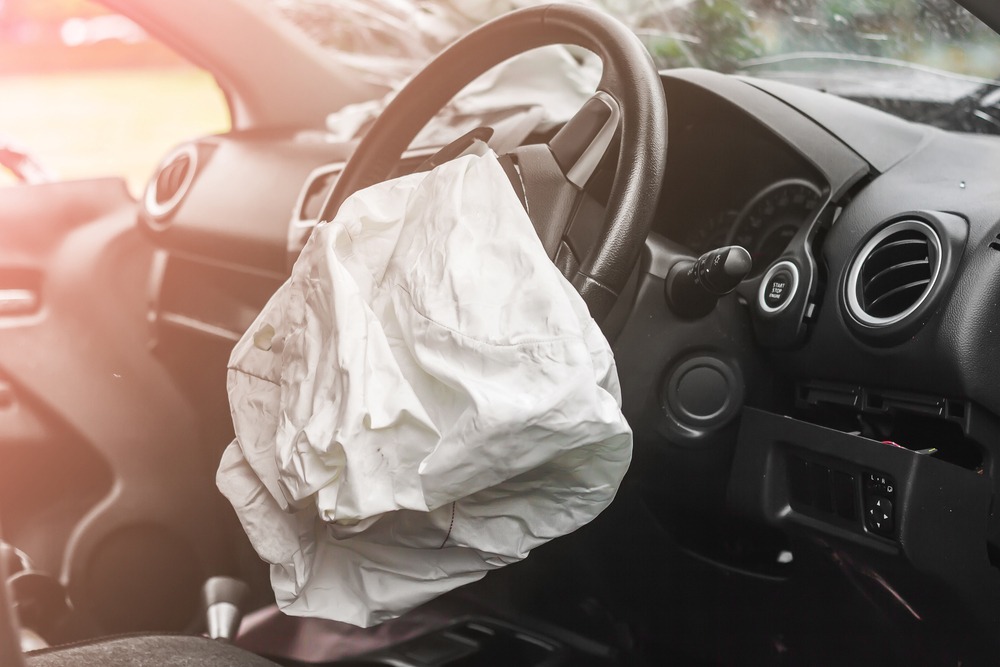
Image Source: www.gedlawyers.com
What Happens When Airbags Pop Out?
Airbags are a key safety feature in cars. They protect you during a crash. When sensors detect a sudden, strong impact, they send a signal. This signal makes a small amount of explosive material burn quickly. This burning creates a lot of gas. The gas fills the airbag very, very fast. It pops out of its storage spot. This is often in the steering wheel or dashboard, or from the side of the car or seat. The bag provides a cushion between you and the hard parts of the car. It helps stop you from hitting things like the steering wheel, dashboard, or door.
Airbags come out with great force. They fill up in a fraction of a second. They also start to deflate right away through small holes. This stops you from being trapped by the bag after the crash. When they deploy, there is a loud bang. Dust and smoke-like powder also come out. This powder is harmless cornstarch or talcum powder used to keep the bags soft. But it can make it hard to see and breathe for a moment.
The fact that airbags deployed tells you the crash was severe enough to trigger them. This means the car took a big hit.
Why Driving is Not a Good Idea After Airbags Deploy
Even if your car seems to still work, driving it after airbag deployment is a bad idea. There are many dangers and problems. The car drivability after airbag deployment is very poor.
Seeing Clearly Becomes Hard
One of the biggest problems is that deployed airbags block your view. The steering wheel airbag pops up between you and the road. Side airbags can block side windows. Curtain airbags block side windows and can block the rear view mirror.
- The airbag itself sits right in front of you. It makes it hard to see where you are going.
- The dust and powder released can fill the car’s cabin. This cloud makes it even harder to see. It can also make you cough.
- The crash might have broken the windshield or other windows. This also affects your view.
With poor visibility, you cannot safely control the car. You cannot see other cars, people, or things in the road. This creates a big safety risk after airbag deployment.
Steering Problems Happen
The airbag in the steering wheel is right where your hands are. When it deploys, it pushes out with a lot of force. This force can damage the steering wheel itself. It might break or bend parts of the wheel. The force can also affect the steering column.
- The deployed airbag might cover or damage the steering wheel rim. This makes it hard to grip the wheel properly.
- Damage to the steering column or parts inside it can affect how the steering works.
- You might find it difficult to turn the wheel. Or the steering might feel loose.
- This loss of steering control after airbag deployment is extremely dangerous. You cannot steer the car correctly. You might not be able to avoid another crash.
The damage to steering wheel after airbag deploys is often severe. It makes driving unsafe.
Hidden Damage Exists
Just because the wheels still turn or the engine runs does not mean the car is safe to drive. A crash strong enough to deploy airbags can cause hidden damage. This damage might not be seen from the outside.
- Structural damage: The car’s frame or body structure might be bent or weakened. This affects how the car handles. It also means the car will not protect you as well in another crash. The crumple zones worked by absorbing energy, but this means the structure is changed.
- Suspension and alignment: The impact can damage parts connected to the wheels. The suspension system helps the car ride smoothly and handle bumps. If it’s damaged, the car might pull to one side. It might not go where you steer it. The wheels might be out of alignment.
- Engine and transmission: The engine or gearbox mounts might be broken. Hoses or wires could be cut. Fluids might leak.
- Braking system: Brake lines could be damaged. The braking system might not work correctly.
- Other safety systems: Sensors for ABS (anti-lock brakes), stability control, or other features might be broken. These systems help you control the car in difficult situations. If they don’t work, your safety risk after airbag deployment goes way up.
Because of this potential hidden damage, the car drivability after airbag deployment is very poor and unpredictable. You cannot trust the car to work correctly.
It’s Likely Not Legal or Smart
Driving a car that is clearly damaged from a crash, especially with deployed airbags, is often against the law. Most places require your car to be in safe working order to be on the road. A car with deployed airbags and potential hidden damage is not in safe working order.
Driving it could lead to:
- Being stopped by the police.
- Getting a ticket for driving an unsafe vehicle.
- If you get into another accident while driving the damaged car, you could be found responsible. This is because you were driving a car that was not safe. These are serious legal implications driving after airbag deployment.
Also, driving a damaged car could make your insurance claim harder. Your insurance company expects you to take steps to prevent more damage or risk. Driving a car that should be towed does the opposite.
So, addressing the keyword again, is it safe to drive after airbags inflate? The answer is a definite no due to visibility issues, steering problems, hidden damage, and legal risks.
What To Do Right After Airbag Deployment
Okay, the airbags just went off. The car has stopped. What do you do in that moment?
- Stay Calm (as much as possible): It was a shock. Take a deep breath.
- Check for Injuries: First, check yourself and anyone else in the car for injuries. If someone is hurt, call for help right away.
- Turn Off the Engine: If the engine is still running, turn it off. This helps prevent fire and further damage.
- Assess the Scene: Look around if you can. Are you in immediate danger? Is there traffic coming? If it is safe, try to move away from traffic. If not, stay put if you are safe inside the car.
- Call for Help: Call emergency services (like 911 or 112) if anyone is injured or if the car is blocking traffic and cannot be moved safely. Even if there are no injuries, you should call the police. They will make a report of the accident. This report is important for your insurance claim.
- Do NOT Try to Drive: Remember all the reasons above. Do not try to start the car and drive away. Even a short distance can be risky.
Once the scene is secure and police have arrived, you will need to arrange for the car to be moved.
Getting Your Car Moved Safely
You cannot drive it, so how does the car leave the accident scene? You need towing car after airbags deploy.
- Police usually arrange towing: In many cases, especially if the car is not drivable or is blocking traffic, the police will call a tow truck.
- You can call your own tow service: If the police don’t arrange it, or if you have a preferred tow company through your insurance or roadside assistance plan, you can call them.
- Tell the tow truck driver about the accident: Let them know the car was in a crash and the airbags deployed. They will know how to load and secure a damaged vehicle.
- Decide where to tow the car: It usually goes to a repair shop or an insurance company’s storage lot. This depends on whether the car is being repaired or might be totaled.
It’s crucial to have the car towed. Do not let anyone convince you to try and drive it. The safety risk after airbag deployment is too high. Towing car after airbags deploy is the standard and safest procedure.
The Steps to Getting Your Car Fixed (or Replaced)
After the tow truck takes your car away, the next steps involve dealing with repairs and insurance.
Checking How Bad the Damage Is
A qualified mechanic or an insurance adjuster will look at your car. They will check all the damage. They look at:
- The obvious body damage.
- The deployed airbags. They must be replaced.
- Damage to steering wheel after airbag deploys and dashboard.
- Damage to seatbelts (pretensioners often activate with airbags).
- Hidden structural damage to the frame or chassis.
- Damage to the engine, transmission, suspension, brakes.
- Damage to sensors and the airbag computer module.
This is a detailed check. They need to know everything that was broken in the crash.
What Fixing Your Car Might Cost
Repairing a car after airbag deployment is very expensive. Why?
- Replacing Airbags: Airbags are designed to be used once. They are expensive to replace. A modern car can have many airbags (front, side, curtain, knee). Each one costs money for the part and the labor to install it.
- Replacing Other Safety Parts: Seatbelt pretensioners also need replacing. The airbag control module, which told the airbags to deploy, often needs to be replaced or reset by a specialist. Crash sensors also need checking and possibly replacing.
- Damage to Interior: The deployment damages the panels where the airbags come out (dashboard, steering wheel cover, seat covers, headliner). These parts are costly to replace to make the interior look right again. Think about the damage to steering wheel after airbag deploys; the whole wheel might need replacement, not just the cover.
- Hidden Mechanical and Structural Damage: Repairing bent frames, damaged suspension parts, or engine/transmission issues adds a lot to the cost.
Because of these factors, the cost to repair car after airbags deploy is often very high. It can easily be thousands of dollars, sometimes even more than the car is worth.
Here’s a simple look at cost factors:
| Factor | Description | Impact on Cost |
|---|---|---|
| Number of Airbags Deployed | More bags = higher part cost | High |
| Type of Car | Luxury or newer cars have more complex systems/parts | Higher |
| Extent of Other Damage | Body, structural, mechanical damage beyond airbags | Very High |
| Part Costs | Cost of new airbags, sensors, modules, trim pieces | High |
| Labor Costs | Time needed by skilled technicians | High |
When a Car is “Totaled”
Because the cost to repair car after airbags deploy is so high, cars are often considered a “total loss” by the insurance company. This means the cost to fix the car is more than a certain percentage of the car’s value. This percentage varies by state or insurance company policy.
If your car is totaled:
- The insurance company pays you the fair market value of the car before the crash (minus your deductible).
- They take possession of the damaged car.
- You use the money to buy a new car.
If the damage is less than the total loss threshold, the insurance company will pay for the repairs. They will use approved parts and repair shops.
Dealing with Insurance and Legal Matters
After a crash with airbag deployment, contacting your insurance company is a must.
Starting Your Insurance Claim
As soon as you can after the crash, contact your car insurance company. Tell them you were in an accident and the airbags deployed. They will start a claim file.
- Give them details about the crash: date, time, location, what happened, if other vehicles were involved.
- Provide the police report number if you have it.
- Tell them where the car was towed.
An adjuster will be assigned to your insurance claim after airbag deployment. This person will inspect the car’s damage. They will decide if the car should be repaired or totaled. They will work with the repair shop to agree on the repair costs if it is fixed. If it’s totaled, they will determine the car’s value.
It is important to cooperate with your insurance company. Provide any documents they need. This helps the insurance claim after airbag deployment go smoothly.
Why Driving Could Cause Legal Problems
We touched on this earlier, but let’s look closer at the legal implications driving after airbag deployment.
- Driving an Unsafe Vehicle: It is illegal in most places to drive a car that is not in safe working condition. A car with deployed airbags and hidden damage is clearly not safe. If you are caught, you could face fines or other penalties.
- Voiding Insurance Coverage: Many insurance policies require you to take reasonable steps to prevent further loss or damage after an accident. Driving a car that is unfit for the road could be seen as failing to do this. This could potentially affect your insurance claim after airbag deployment or coverage for future events.
- Liability in a Second Accident: If you choose to drive the damaged car and are involved in another accident, you could face serious legal trouble. The other party could argue that the second accident happened or was worse because you were driving a car that was already compromised and unsafe. This could make you fully liable for all damages and injuries in the second crash.
- Impact on Future Insurance: Having tickets for unsafe driving or being found liable in an accident because you drove a damaged car can lead to much higher insurance rates or even make it hard to get insurance in the future.
These legal implications driving after airbag deployment are significant. They are another strong reason why you should always arrange for towing car after airbags deploy.
Thinking About the Future of the Car
Once the insurance claim is settled and the car is repaired (or replaced), there are still things to know.
Car’s History
If your car is repaired after a crash with airbag deployment, it will have a history of being in a major accident. This information often shows up on vehicle history reports (like CarFax or AutoCheck).
- Potential buyers will see the accident history.
- This can make it harder to sell the car later.
- It will also likely reduce the car’s resale value, even if it was perfectly repaired.
Ensuring Proper Repairs
If your car is repaired, make sure it is done correctly by a qualified shop. Airbag system repairs are complex. They involve safety systems that must work perfectly.
- Make sure all deployed airbags are replaced with new ones.
- Confirm that the airbag control module and sensors were checked and replaced if needed.
- Ensure any structural damage was repaired properly using the right techniques and materials.
A poorly repaired car after a major accident and airbag deployment might not protect you as well in a future crash. The safety risk after airbag deployment can continue if repairs are not done right.
Summing It Up
When your car’s airbags deploy, it is a clear sign of a serious event. While it’s natural to want to get home or get the car out of the way, driving it is almost never the right choice.
- Your vision is blocked by the bag and dust.
- Steering is difficult and the wheel might be damaged.
- There is likely hidden damage that makes the car unsafe.
- You face potential legal problems and insurance issues if you drive it.
The safety risk after airbag deployment is high. Is it safe to drive after airbags inflate? No. The car drivability after airbag deployment is compromised. The damage to steering wheel after airbag deploys, visibility issues after airbag deployment, and issues with steering control after airbag deployment make it too dangerous.
The best steps are to check for injuries, call for help, and arrange for towing car after airbags deploy. Then you deal with the cost to repair car after airbags deploy through your insurance claim after airbag deployment. Be aware of the legal implications driving after airbag deployment and always prioritize safety over convenience.
Frequently Asked Questions (FAQ)
Q: How fast do airbags deploy?
A: Airbags deploy extremely fast, faster than the blink of an eye. It takes about 1/20th of a second (50 milliseconds) for them to fully inflate.
Q: What is the powder that comes out with the airbag?
A: The powder is usually cornstarch, talcum powder, or sodium bicarbonate. It’s there to keep the airbag fabric soft and folded. It’s not harmful, but it can irritate your throat and eyes and make it hard to see for a moment.
Q: Can airbags go off by accident?
A: It is very rare for airbags to deploy by accident without a crash. The system uses multiple sensors that must trigger together to deploy the airbags. Problems can happen, but accidental deployment is not common in properly working systems.
Q: Do all airbags deploy in every crash?
A: No. Only the airbags needed for the type and severity of the impact should deploy. A front impact will usually trigger front airbags. A side impact might trigger side and curtain airbags. A minor fender bender might not trigger any airbags.
Q: Will my car start after the airbags deploy?
A: Your car might start, but it doesn’t mean it’s safe to drive. Many modern cars have safety features that cut off the fuel pump or disable systems after a crash, which might prevent it from starting or running correctly. Even if it starts, the damage means it’s not safe.
Q: How much does it cost to replace a deployed airbag?
A: The cost varies a lot depending on the car make, model, and the specific airbag. Replacement costs for just one airbag can range from $200 to over $2,000. This doesn’t include labor, the cost of replacing damaged panels, sensors, or the airbag control module, or any other crash damage. The total repair bill after deployment is usually much higher.
Q: My airbags deployed but the car looks okay. Can I drive it to the shop?
A: Even if the visible damage looks minor, airbags only deploy in significant crashes. There is very likely hidden structural or mechanical damage. Plus, the deployed bag blocks your view and the steering wheel might be damaged. It is not safe to drive. You must get it towed.
Q: Will my car insurance go up after an airbag deployment claim?
A: Filing a claim for a major accident where airbags deploy will likely affect your insurance rates. The increase depends on many factors, including the severity of the accident, who was at fault, your driving record, and your insurance policy.
Q: Can I just remove the deployed airbags and drive the car?
A: No, this is a terrible idea and likely illegal. Driving a car with a non-working airbag system is dangerous. The system is designed to protect you. Removing parts compromises your safety and breaks laws requiring safety equipment to be functional. It also makes the car much harder to sell.
Q: What happens to the car title if it’s totaled?
A: If your car is declared a total loss by the insurance company and they pay you for it, they take ownership of the car. The title is usually marked as “salvage” or “totaled.” This means the car is not supposed to be driven again on public roads in that condition. If someone buys the salvage car and repairs it, they must follow strict inspections to get a “rebuilt” title, but its value and history are permanently affected.