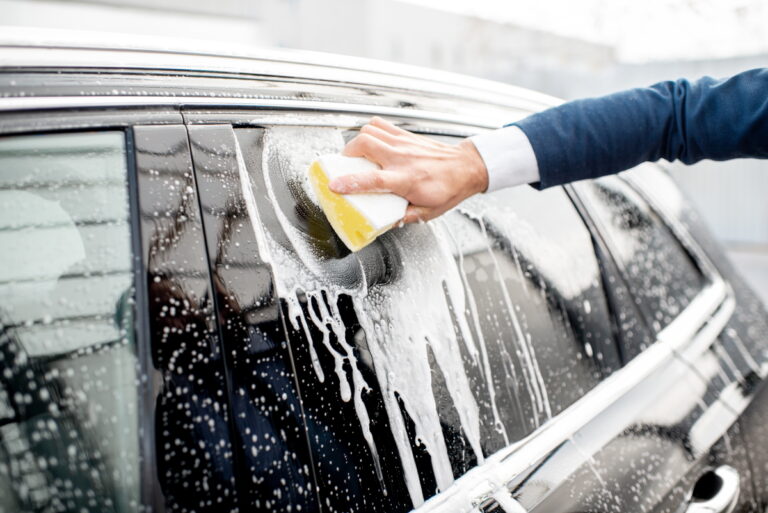
Image Source: qualityautoglasstint.com
Can You Wash Your Car After Getting Your Windows Tinted
Can you wash your car after getting your windows tinted? The quick answer is no, not right away. After getting your car windows tinted, you need to wait before washing them, especially the tinted surfaces. Washing too soon can damage the fresh tint film and the sticky stuff that holds it in place. You must give the tint time to dry and stick properly to the glass.
Why You Need to Wait Before Washing
Getting your car windows tinted is a great way to make your car look good, block out heat, and keep things inside more private. A thin film is put on the inside of the glass. This film is held on by a special liquid and glue. When the tint is first put on, this liquid is still wet. It needs time to dry out and let the glue stick firmly to the window. This time is often called the window tint drying time or the window tint curing period.
Think of it like painting a wall. You wouldn’t touch or wash a freshly painted wall right away, right? You wait for the paint to dry and become hard. It’s the same idea with window tint. The tint film needs to become one with the glass surface. Water, especially from washing, can mess up this drying and sticking process.
How Long Must You Wait to Wash Your Car?
This is a very common question: How long to wait to wash car after tint? There isn’t one exact time for everyone. But there is a general rule most people follow. Most tint installers will tell you to wait at least 3 to 7 days before you wash your car. This waiting period gives the film and the glue enough time to set properly.
The exact waiting time can depend on a few things:
- Type of Tint Film: Some films might dry faster than others.
- The Glue Used: The specific glue type affects drying time.
- Where You Live (Climate): This is a big one.
- Installer’s Advice: Always listen to what your tint shop tells you. They know the products they used.
Waiting helps prevent problems like:
- The tint film lifting up around the edges.
- Bubbles forming under the film.
- The tint looking cloudy or hazy for too long.
- Leaving streaks or marks that are hard to remove later.
So, when thinking about how soon can I wash my car after tint, plan on waiting at least one full week to be safe. Some people even wait a bit longer just to be sure.
Dangers of Washing Too Soon
Trying to wash your car, or specifically the windows, before the tint is fully dry and stuck can cause real problems. You should avoid washing windows after tint during the first few days.
Here’s what might happen if you don’t wait:
Peeling Edges
The edges of the tint film are the most likely place to lift up. The glue needs to stick firmly to the very edge of the glass. If water gets under the edge while the glue is still soft, it can stop the glue from sticking. This makes the edges peel away from the window. Once an edge starts peeling, it’s hard to fix.
Bubbling
Small bubbles of water might get trapped under the film during the tint putting-on process. This is normal at first and these usually dry out and disappear as the film cures. However, if you wash the windows too soon, you can introduce new water or prevent the trapped water from drying out. This can cause bubbles to stay or get bigger. Big bubbles can block your view and look bad.
Streaks and Marks
Washing too early can mess with the way the glue is drying. This might leave behind streaks or cloudy marks under the film that won’t go away. These marks happen when the water and glue mixture doesn’t dry evenly.
Weakened Adhesion
The glue needs time to form a strong bond with the glass. Water and cleaning chemicals can get between the film and the glass before this bond is strong. This makes the glue weaker overall. This could lead to the tint not lasting as long or having problems down the road.
Grasping the Window Tint Curing Process
The window tint curing period is more than just the tint looking dry. It’s the time the special glue needs to fully set and bond to the glass. When the tint is put on, a liquid mix is used to help slide the film into place. This liquid is squeezed out as much as possible, but some stays trapped between the film and the glass, mixed with the glue.
Over time, this trapped liquid dries out. This allows the glue to harden and create a strong hold. The drying time for car window tint depends a lot on the environment.
- Warm, Sunny Weather: Helps the water dry faster. The curing period might be shorter, maybe closer to 3-5 days.
- Cold, Cloudy, or Wet Weather: Slows down the drying process. The curing might take longer, possibly 7 days or even more.
During this curing time, you might still see some small bubbles or a hazy look. This is usually normal and should go away as the water dries out. This is why the drying time for car window tint is so important to respect.
What Are the Washing Restrictions After Tinting?
The main washing restrictions after window tint are about getting the fresh tint wet. Here’s what that means:
- Avoid automatic car washes: These use strong water jets and brushes that can easily lift the edges of new tint.
- Do not use high-pressure sprayers on the windows: Even if you are hand washing, keep high-pressure water away from the tinted windows.
- Do not wipe the inside of the tinted windows: Do not touch the inside surface at all during the curing period.
- Be careful when washing the outside: While the inside is where the tint is, water running from the outside of the window into the seal can still reach the edge of the tint film on the inside. It’s often safest to avoid washing the entire car if possible during the first few days.
These restrictions are in place to protect the investment you just made in tinting your car.
Car Wash After Window Tinting: When Is It Safe?
Regarding a full car wash after window tinting, the general advice is to wait the same 3 to 7 days (or whatever your installer recommends). This is the safest approach.
While the tint is on the inside, water can get into the seals around the windows. If the tint’s glue isn’t fully set, this water can cause problems at the edges.
Hand Washing vs. Automatic Washing
- Hand Washing: Once the curing period is over, hand washing is generally safer for tinted windows than automatic washes. You have more control over where the water goes.
- Automatic Washing: After the curing period (at least 7 days, maybe longer), most automatic car washes are okay. However, always be aware that high-pressure washes could potentially stress window seals and tint edges over time. Touchless washes might be gentler.
The key is making sure the initial curing period is fully complete before any significant water contact happens on or around the window seals.
How Climate Affects Window Tint Drying Time
Climate plays a huge role in the window tint drying time.
Let’s look at how different conditions affect things:
- Warm and Sunny: Heat helps water evaporate faster. Sunlight on the windows helps speed up the curing. In summer, you might only need to wait 3-5 days.
- Cold and Cloudy: Cold slows down evaporation. Lack of sun means less heat getting to the glass. In winter or on rainy days, the curing period will be longer, likely 7 days or more.
- High Humidity: Lots of moisture in the air makes it harder for the water under the tint to dry out. High humidity can extend the curing time, even if it’s warm.
| Climate Condition | Typical Drying/Curing Time | Notes |
|---|---|---|
| Hot & Dry | 3-5 days | Fastest drying conditions |
| Warm & Humid | 5-7 days | Humidity slows things down |
| Mild & Dry | 5-7 days | Moderate conditions |
| Cold & Dry | 7+ days | Cold slows evaporation |
| Cold & Humid or Rainy | 7-10+ days | Slowest drying conditions, most caution |
This table shows why you can’t just pick a number out of the air. Always ask your installer for their best guess based on the current weather and the conditions where your car is kept (like in a garage or outside).
Cleaning Car Windows After Tinting: Post-Cure Care
Once the waiting period is definitely over (the tint looks clear, no haze, no bubbles), you can start cleaning car windows after tint. However, there are some important things to remember for window tint aftercare. The wrong cleaning products or methods can damage the film over time.
What to Use for Cleaning
- Mild Cleaners: Use a glass cleaner that is safe for tinted windows. Many regular glass cleaners contain ammonia. Ammonia can break down the tint film, making it turn purple, bubble, or peel. Look for cleaners clearly marked “ammonia-free” or “tint-safe.” You can also just use plain water with a little bit of dish soap.
- Soft Cloths: Use a very soft cloth, like microfiber. Paper towels can be too rough and might scratch the tint film. Wipe gently.
What to Avoid When Cleaning
- Ammonia-Based Cleaners: This is the most important thing to avoid. Read the cleaner label carefully.
- Harsh Chemicals: Don’t use strong cleaners, degreasers, or abrasive products.
- Scrub Brushes or Steel Wool: Never use anything rough to clean the inside of the tinted window.
- Sharp Objects: Be careful not to scratch the tint with rings, keys, or other sharp items when cleaning or just using your car.
- Wiping Too Hard: Gentle wiping is all you need.
How to Clean Tinted Windows
- Spray: Spray your tint-safe cleaner onto your microfiber cloth, not directly onto the window. This stops liquid from running down into the seals.
- Wipe: Gently wipe the inside of the window from top to bottom or side to side.
- Dry: Use a second, dry microfiber cloth to gently dry the window and prevent streaks.
- Clean the Outside: You can clean the outside of the window as you normally would, but be mindful of water potentially getting to the inside edges during the cleaning process.
This simple cleaning method helps keep your tint looking good for years.
Tips for the Waiting Period
Here are some helpful tips while you are in the window tint drying time:
- Park Smart: If possible, park your car in a sunny spot during the day. Sunlight helps speed up the drying process. However, avoid extreme heat inside the car by cracking windows slightly if safe and possible.
- Avoid Rolling Down Windows: Do not roll your windows down at all during the first few days (the standard 3-7 day wait). The top edge of the tint is very weak when wet. Rolling the window down can cause the tint to peel right off at the top. Your installer might put tape on your window buttons as a reminder.
- Be Patient: The hazy or bubbly look is normal. It usually goes away as the tint dries. Don’t poke or try to push the bubbles out yourself during this time. You could damage the film.
- Listen to Your Installer: They are the experts who put the tint on your specific car in your specific location. Their advice on how long to wait to wash car after tint is the most important to follow.
- Keep the Inside Dry: Try not to spill liquids on the door panels or areas where water could drip down into the window seals.
Following these simple rules during the initial period helps make sure your new tint lasts and looks its best. This crucial window tint aftercare starts with patient waiting.
Fathoming the Drying Time for Car Window Tint
Let’s look deeper into the drying time for car window tint. It’s not just about the water vanishing. It’s about the adhesive changing state.
- Initial Application: The liquid allows the installer to move the film and get it perfectly placed.
- Squeegeeing: The installer uses a tool to push out as much liquid as possible. This is key, as less trapped liquid means faster drying.
- Evaporation: The trapped water begins to turn into vapor and escape from under the film. This is a slow process because the film is stuck to the glass.
- Adhesive Bonding: As the water leaves, the glue makes a strong, permanent bond with the glass. This is the “curing” part.
The hazy look often seen after tinting is just the trapped water. The small bubbles are also pockets of this water. As they dry, the haze clears, and the bubbles shrink and disappear.
Factors speeding up drying:
* Warm temperatures
* Low humidity
* Direct sunlight on the glass
Factors slowing down drying:
* Cold temperatures
* High humidity
* Lack of sun exposure
This explains why the drying time for car window tint is not a fixed number of hours but rather a range of days, heavily influenced by the weather.
Long-Term Window Tint Aftercare
Once the initial curing is done and you’ve passed the washing restrictions after window tint, taking care of your tint is still important for its lifespan. Good window tint aftercare helps the tint look good and perform its job for many years.
- Use Safe Cleaners: Always use ammonia-free cleaners as mentioned before.
- Be Gentle: Don’t use excessive force when cleaning the inside of the windows.
- Watch for Scratches: Be mindful of anything that might rub against the tinted surface. Seatbelts snapping back, items carried in the car, or even pet claws can scratch tint film.
- Avoid Harsh Conditions (if possible): While tint is made for cars, extreme prolonged exposure to very harsh chemicals (like strong de-icers dripping down) or physical scraping should be avoided.
By following these simple care steps, your tint will stay clear, functional, and attractive for its intended lifespan, usually many years depending on the quality of the film.
Frequently Asked Questions About Washing After Tinting
Here are answers to some common questions people ask after getting their windows tinted.
h4> How long does it take for window tint bubbles to go away?
Small bubbles and a hazy look caused by trapped water are normal right after tinting. They usually go away on their own as the tint dries and cures. This process can take anywhere from a few days to a couple of weeks, depending on the weather. Larger bubbles or bubbles that don’t go away after a few weeks might mean there is a problem with the install and you should contact your tint shop. Do not try to pop or push these bubbles yourself during the drying time.
h4> Can I roll my windows down right after tinting?
No, you absolutely should not roll your windows down during the initial drying and curing period. This is typically for the first 3 to 7 days. Rolling the window down before the tint has fully stuck to the glass will almost certainly cause the top edge of the tint to peel off.
h4> What if I accidentally get my tinted windows wet too soon?
If you accidentally get your windows wet during the curing period (for example, a sudden rain shower, or someone washes the car without knowing), don’t panic. The biggest risk is from rubbing the wet tint or exposing it to high-pressure water jets. If they just got lightly wet from rain, let them dry naturally. If you used a low-pressure hose, just let them air dry and extend your waiting period before the next wash. If the edges start lifting or bubbles form, contact your installer.
h4> Can I wash the rest of my car but avoid the windows?
This is tricky. While the tint is on the inside, water from washing the outside can still seep into the seals around the window glass and reach the edges of the tint film on the inside before it’s fully cured. To be safest, it’s best to wait the full 3-7 days to wash the entire car, including the body. If you must wash the rest of the car, avoid spraying water directly at the window seams and be very careful.
h4> Can I use glass cleaner on my tinted windows later?
Yes, you can use glass cleaner on tinted windows after the curing period is complete and if the cleaner is safe for tint. This means it must be ammonia-free. Many standard household glass cleaners contain ammonia, which is bad for tint film. Look for cleaners specifically marked “ammonia-free” or “safe for window tint.” A simple mix of water and a small amount of mild soap is also a good option.
h4> How long is the window tint curing period exactly?
The window tint curing period is the time it takes for the special glue under the film to fully dry and create a strong bond with the glass. This is usually between 3 and 7 days. However, it can take longer in cold, wet, or humid weather. Always listen to the specific advice given by the professional who installed your tint, as they consider the type of film and local conditions.
h4> Why is there still a hazy look days after getting tint?
The hazy or cloudy look is caused by tiny amounts of water still trapped between the tint film and the glass. This is a normal part of the drying process. As the water evaporates through the film, the haze will disappear. Patience is needed during the window tint drying time. It can sometimes take a week or two for the haze to completely clear, especially in cooler or more humid conditions.
Conclusion
Getting your car windows tinted is a great upgrade. To protect that upgrade, patience is key right after the work is done. You must wait before washing your car, especially the windows themselves. This waiting time, usually 3 to 7 days, allows the tint film and its glue to dry and cure properly. Washing too soon risks damaging the tint, leading to peeling, bubbling, and a poor look.
Listen to your installer’s advice on the exact waiting period. Avoid rolling down windows during this time and keep water away from the fresh tint. Once the window tint curing period is over, you can wash your car, but remember to use safe, ammonia-free cleaners and soft cloths for the tinted windows themselves. Proper window tint aftercare, starting with respecting the window tint drying time, will help your tint last for years and keep your car looking great.
Remember, a little patience at the start saves you from potential problems later. Avoid washing windows after tint during the critical first week, and you’ll enjoy clear, protected windows for a long time.