Yes, you can often extend your lease on a car, but it depends on your leasing company’s rules. Many companies let you extend for a short time or sometimes even longer. You usually need to contact them before your lease ends to find out your options.
When your car lease is near its end, you have a few choices. You can turn the car in, buy it, or lease a new one. But sometimes, those options don’t fit your needs right away. Maybe you love your current car. Maybe you are waiting for a new car to arrive. Maybe you need a little more time to decide. This is where extending your lease can help. It gives you more time with the car you have. It is a way to pause before making a big choice about your next vehicle.
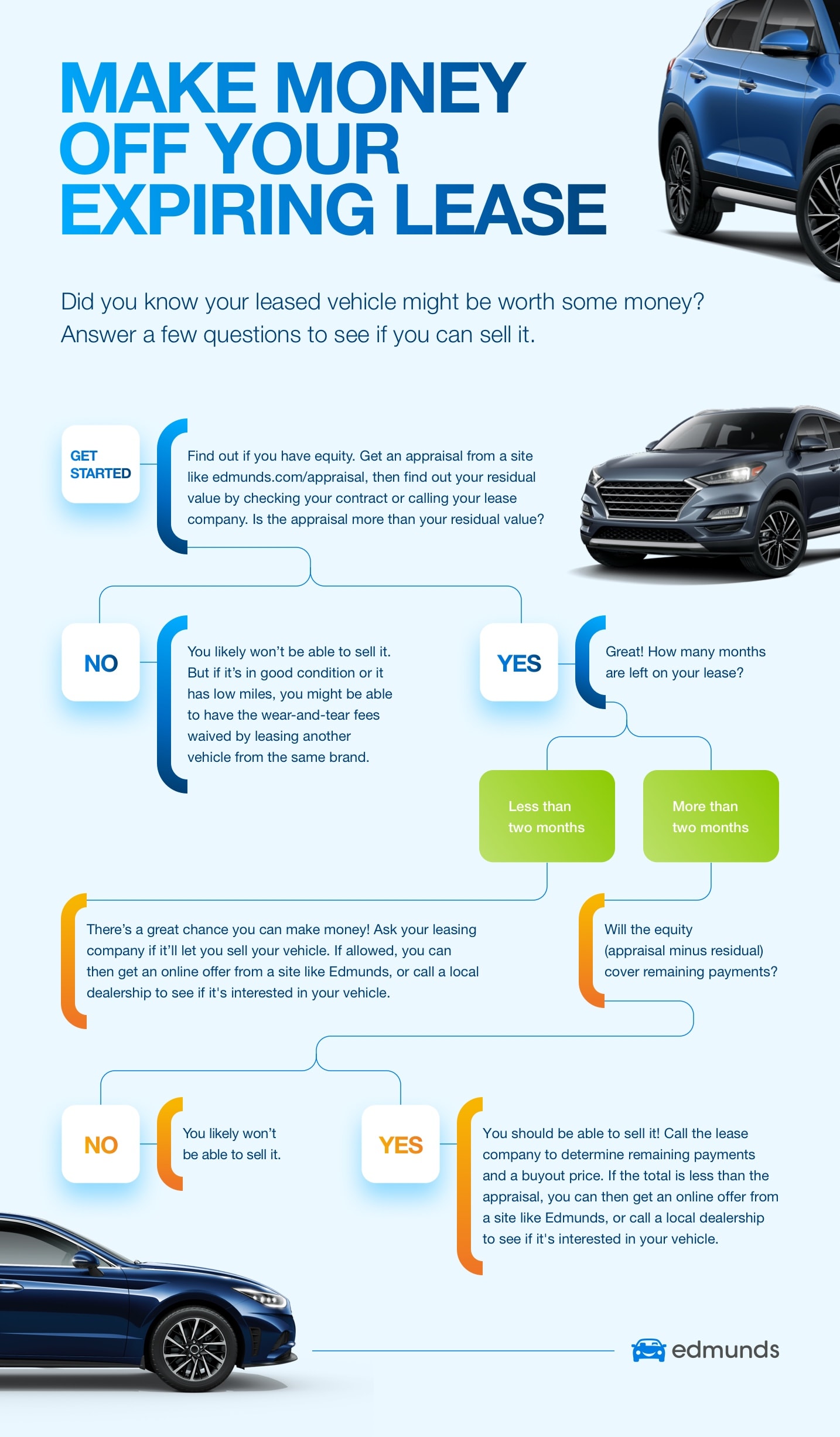
Image Source: static.ed.edmunds-media.com
Why Think About Extending Your Car Lease?
People choose to extend a car lease for many simple reasons. It gives them flexibility. It can also save time and hassle compared to getting a new car right away. Here are some common reasons.
Waiting for a New Car
Maybe you ordered a new car. But it is taking longer to build and deliver than you thought. Extending your current lease lets you keep driving. You do not need to find a temporary car.
Need More Time to Decide
Ending a lease means making a choice. Should you buy the car? Should you get a new lease? Should you buy a different car? These choices take time. Extending your lease gives you that time. You can think things through without rushing.
You Like Your Current Car
You might really like the car you are driving. It fits your needs. It is reliable. You know its history. An extension lets you keep a car you trust for a bit longer.
Avoid Early Termination Fees
Ending your lease early can cost a lot. If you need the car past the original end date but not for a full new lease term, an extension avoids those high fees.
Improve Your Situation
Maybe your financial situation needs a little time to get better. Or maybe your credit score could improve. An extension can give you time to get things in a better place before you take on a new car payment or loan.
Simple and Easy
Compared to finding, financing, or leasing a brand-new car, extending a lease is often much simpler. It is usually less paperwork and less time spent at a dealership.
What Are the Car Lease Extension Options?
Leasing companies offer different types of extensions. The options you have depend on the company that owns your car. They also depend on their specific Dealership lease extension policy. It is important to ask about the choices they provide.
Temporary Lease Extensions
Many companies offer a simple, short-term extension. This is often called a month-to-month extension.
- How it works: You continue paying your regular monthly payment.
- How long it lasts: It can be for just one month. It can sometimes go for several months. There is often a total limit, like six or twelve months.
- Why use it: This is good if you just need a little more time. Maybe your new car arrives next month. Maybe you need 60 more days to save for a down payment.
- Things to know: The mileage limit might change. You still need to keep the car in good shape.
This type of extension is a common way to extend vehicle lease temporarily. It provides a bridge between your original lease end date and your next step.
Longer Lease Extensions
Some leasing companies might offer a more formal, longer extension. This is less common than month-to-month but is sometimes possible.
- How it works: You sign a new agreement. This sets a new, fixed end date for the lease.
- How long it lasts: This could be for six months, a year, or even longer in some cases.
- Why use it: This might be better if you know you need the car for a set period past the original end date. It offers more certainty than a month-to-month plan.
- Things to know: The terms might be different from your original lease. The monthly payment could change. The buyout price might be affected.
The specific car lease extension options available vary greatly. You must contact your leasing company to see what they offer you. Do not just assume a certain type of extension is available.
How to Extend a Car Lease
The process to extend a car lease is usually straightforward. But you must follow the steps correctly. It starts with talking to your leasing company.
Step 1: Check Your Lease Agreement
Find your original lease contract. Look for information about the end of the lease. See if it mentions extensions. It might say who to contact or what rules apply. This helps you know what questions to ask.
Step 2: Contact the Leasing Company
This is the most important step. You need to talk to the company that holds your lease. This is often the financing arm of the car maker (like Ford Credit, Toyota Financial Services, etc.). It is not usually the dealership where you got the car, though they might help point you in the right direction based on their Dealership lease extension policy.
- When to call: Call a month or two before your lease ends. Do not wait until the last minute.
- Who to ask for: Ask for the lease-end or customer service department.
- What to have ready: Have your account number ready. Know your car’s Vehicle Identification Number (VIN). Know your lease end date.
- What to ask:
- “Can I extend my lease?”
- “What types of extensions do you offer? (e.g., month-to-month, fixed term)”
- “What are the Lease extension requirements?”
- “What would the new monthly payment be?”
- “How does this affect my mileage limit?”
- “Does the buyout price change?”
- “Are there any fees to extend?”
- “How long can I extend vehicle lease temporarily?”
- “What is the process to apply?”
Step 3: Understand the Offer
The leasing company will tell you what extensions you can get. They will explain the Lease extension terms. This includes:
- New monthly payment
- New end date
- New mileage limits during the extension
- Any fees involved
- How the buyout price is handled
Make sure you understand all these points. Ask questions if anything is unclear.
Step 4: Apply or Agree to the Extension
If you like the offer, you will need to formally agree. For a month-to-month extension, this might be as simple as telling them over the phone that you accept. They might send you a simple form to sign. For a longer, fixed extension, you will likely sign a new agreement or an addendum to your original contract.
Step 5: Keep Making Payments
Once the extension starts, keep making your payments on time. Follow all the rules in the extension agreement, just like you did with your original lease.
Following these steps helps you navigate how to extend a car lease smoothly. The key is to act early and communicate clearly with the leasing company.
Lease Extension Requirements: Do You Qualify?
Not everyone can extend their car lease. Leasing companies have rules about who is eligible. These rules are the Lease extension requirements.
Good Payment History
This is usually the most important rule. You must have paid your original lease payments on time. If you have missed payments or paid late often, the company might not let you extend. They want to see that you are a reliable payer.
The Car’s Condition
The car should be in reasonably good shape. If the car has major damage, the leasing company might not approve an extension. They want to know the car’s value will hold up.
Type of Car
Sometimes, the type of car matters. Very old models or certain high-mileage vehicles might be harder to extend. The company looks at the car’s value and how much it will likely be worth later.
Leasing Company Policy
Each leasing company has its own rules. What one company allows, another might not. Their internal Dealership lease extension policy dictates the specific car lease extension options available. Some companies offer extensions easily. Others rarely do.
How Much Time You Need
The length of extension you need can also be a factor. A short, month-to-month extension is usually easier to get than a multi-year one.
Your Current Lease Status
You must request the extension before your original lease ends. If your lease has already ended, it is much harder, sometimes impossible, to extend it. You might face penalty fees at that point.
It is crucial to contact the leasing company to learn their specific Lease extension requirements. Do not guess if you qualify. Just ask them directly.
Talking to the Right People: Leasing Company Contact for Extension
When you want to extend your lease, you need to talk to the leasing company. This is the finance company that holds the title to the car and is the owner of the lease contract.
Who is the Leasing Company?
Look at your original lease agreement. The name of the leasing company is listed there. It is often linked to the car brand, like Ally Financial (for GM cars), Toyota Financial Services, Honda Financial Services, etc. Sometimes banks or other finance companies hold the lease.
How to Reach Them
- Phone: Look for a customer service number on your lease papers or their website. There is often a specific department for lease-end options.
- Website: Many companies have an online portal for lease customers. You might find information about extensions there. Some even let you start the process online.
- Mail: You can write a letter, but this is slower. Phone or online is better for getting quick answers.
What About the Dealership?
The dealership where you got the car can be helpful. They handle new leases and car sales. But they do not own your current lease contract. Their Dealership lease extension policy is more about how they handle customers who want to extend, not the rules for the extension itself. They can guide you on your end of lease options car choices, including extending. But the final decision and the specific terms come from the leasing company.
It is best to contact the leasing company directly first. They manage your lease account. They have the power to approve or deny an extension and set the specific Lease extension terms.
Figuring Out Lease Extension Terms
When you extend your lease, the details matter. These are the Lease extension terms. You need to understand them fully before you agree.
New Monthly Payment
Will your monthly payment stay the same? Sometimes it does for simple month-to-month extensions. Sometimes it might change slightly. This could be due to taxes or other fees. Make sure you know the exact new amount you will pay each month.
New End Date
This is the most obvious term. What is the new date your lease will end? If it is a month-to-month extension, they might tell you the lease end date is pushed back one month at a time until you choose an end of lease options car. If it is a fixed extension, they will give you the specific new date.
Mileage Limits
Your original lease had a yearly mileage limit. How does this work during the extension?
* Month-to-month: They might add a certain number of miles for each month you extend. For example, if your original lease allowed 12,000 miles per year (1000 miles per month), they might add 1000 miles for every month you extend.
* Fixed extension: A longer extension might come with a new total mileage limit for that extension period. Or they might calculate a new yearly average.
* Overage fees: Just like your original lease, you will likely pay a fee for going over the total mileage limit (original plus extended).
Know exactly what mileage you are allowed during the extension period. This is crucial to avoid extra costs at the end.
Wear and Tear
The rules about wear and tear usually stay the same. You need to return the car in good condition for its age and miles. An extension means the car gets older and has more miles. This affects what is considered “normal” wear. Be aware of this.
Buyout Price
This is a key term. Your original lease contract has a set buyout price (also called the residual value). This is the price you can buy the car for at the end of the original lease.
* Month-to-month: The buyout price might go down slightly each month you extend. This is because the car is losing value (depreciating) each month.
* Fixed extension: The buyout price at the end of the new extension term will be lower than the original buyout price. The new price should be stated in the extension agreement.
Understand how the extension affects the buyout price if you think you might buy the car later.
Other Fees
Are there any fees to set up the extension? Are there fees if you decide to end the extension early? Ask about all potential costs.
Getting the Lease extension terms in writing is a good idea. Read everything carefully before you agree. Make sure you are comfortable with all the conditions.
Benefits of Extending Car Lease
Extending your car lease can be a good choice for several reasons. It offers specific advantages depending on your situation. These are the Benefits of extending car lease.
More Time
The main benefit is simply more time with the car. This is helpful if you are waiting for a new car, need more time to decide, or just are not ready to give the car back yet. It removes the pressure of the original lease end date.
Often Easy to Set Up
Compared to signing a completely new lease or buying a car, a lease extension is often much simpler. For a month-to-month extension, it can sometimes be done with a phone call and minimal paperwork. This saves you time and hassle.
Lower Monthly Costs (Usually)
Extending your lease generally means your monthly payment stays the same or similar to your original payment. This is often lower than the payment would be for a new lease on a similar car today, especially if car prices or interest rates have gone up. It can be more affordable than taking on a new car payment right now.
Avoid Upfront Costs
When you lease or buy a new car, there are often upfront costs. This can include down payments, fees, or taxes. Extending your current lease usually avoids these costs entirely. You just keep making your regular monthly payment.
Know the Car’s History
You have been driving the car. You know its condition. You know its quirks. Extending means you keep driving a car you are familiar with and whose history you know. This can provide peace of mind.
Keeps Options Open
A month-to-month extension, especially, keeps your options open. You can end the extension and pursue other end of lease options car choices (like buying the car or getting a new one) when you are ready, often with just short notice.
These Benefits of extending car lease make it a popular choice for many people facing the end of their lease term but not quite ready for a big change.
Lease Buyout vs Extension
At the end of a car lease, two common paths are buying the car or extending the lease. Both let you keep the car, but they are very different choices with different results. Looking at Lease buyout vs extension helps you see which might be better for you.
Lease Buyout
A lease buyout means you buy the car from the leasing company.
- How it works: You pay the buyout price listed in your lease contract. This price is often called the residual value. You might pay it in cash or get a loan to cover the cost.
- Result: You become the owner of the car. You get the title.
- Commitment: This is a long-term commitment. You now own the car and are responsible for its full value.
- Costs: The cost is the buyout price plus any taxes, fees, and possibly loan interest. You might need a down payment if you get a loan.
- Mileage/Condition: Mileage limits and wear/tear rules no longer apply once you buy the car.
- Future Value: The car’s value will continue to go down as you own it.
Lease Extension
An extension means you keep leasing the car for a longer time.
- How it works: You continue making monthly payments for a set extra period (month-to-month or fixed term).
- Result: The leasing company still owns the car. You are still just renting it.
- Commitment: This is a shorter-term commitment than buying. Especially with month-to-month, you can often end it relatively easily.
- Costs: The cost is the monthly payment for the extension period. There might be small fees to set up the extension. You still face potential costs for excess mileage or wear and tear at the new end date.
- Mileage/Condition: New mileage limits and wear/tear rules apply during the extension period and at the new end date.
- Future Value: You do not worry about the car losing value beyond the lease terms. That risk stays with the leasing company.
Choosing Between Them
- Choose Buyout if: You love the car, the buyout price is good (maybe less than the car’s market value), you plan to keep the car for a long time, and you are ready for car ownership costs (maintenance, repairs).
- Choose Extension if: You need more time before deciding, you are waiting for a new car, you want to avoid upfront costs right now, you like the car but are not sure you want to own it long-term, or you value the flexibility (especially with month-to-month).
Comparing Lease buyout vs extension helps you pick the path that best fits your immediate needs, long-term plans, and financial situation. Both are valid end of lease options car choices.
Other End of Lease Options Car Choices
Extending your lease is just one choice when your lease ends. You should also know about the other End of lease options car companies offer.
Returning the Car
This is the most common action.
- How it works: You bring the car back to the dealership on or before your lease end date.
- What happens: The dealership inspects the car for excess wear and tear and excess mileage.
- Costs: You might owe fees for excess mileage, damage beyond normal wear, and a disposition fee (a fee for returning the car, often listed in your contract).
- Result: Your lease is finished. You walk away with no further connection to that car.
Leasing a New Car
Many people choose to lease a new vehicle.
- How it works: You return your old leased car. Then, you sign a new lease agreement for a different car (or sometimes a newer model of the same car).
- What happens: The dealership handles the return of your old lease and the paperwork for the new one.
- Costs: You will have costs related to ending the old lease (mileage, wear, disposition fee) and costs for starting the new lease (first payment, fees, possible down payment).
- Result: You drive away in a brand new car with a new lease contract.
Buying the Car
As discussed earlier, you can buy the car you have been leasing.
- How it works: You pay the residual value (buyout price) plus taxes and fees. You either pay cash or get a loan.
- What happens: The leasing company transfers ownership to you.
- Costs: The total cost is the buyout price plus taxes, fees, and loan interest if financed.
- Result: You own the car outright.
Knowing all your End of lease options car options helps you make the best decision when your lease term is coming to a close. Extending is just one tool in your box of choices.
The Potential Downsides of Extending a Lease
While there are many Benefits of extending car lease, there are also some things to consider that might make it less ideal.
Mileage Accumulation
If you extend, you keep adding miles to the car. If you were already close to your original mileage limit, extending means you are very likely to go over the total allowed miles (original limit + extension allowance). This will result in excess mileage fees, which can add up fast.
Increased Maintenance Costs
As the car gets older and racks up more miles during an extension, the chance of needing repairs increases. Routine maintenance is expected, but unexpected repairs can be costly. When you own a car, you pay for these. When you lease, major repairs might be covered if the car is still under factory warranty, but often extensions go beyond the warranty period. You could be stuck paying for significant repairs on a car you do not even own.
Car Value Goes Down
Every month you extend, the car gets older and loses more value. If you were thinking about buying the car at the end, the buyout price might decrease slightly each month (in a month-to-month extension). But it decreases slower than the car’s actual market value often does. This means the buyout price might become less appealing the longer you extend, compared to the car’s true worth.
Not Building Equity
When you extend a lease, your payments continue to just cover the car’s depreciation (loss in value) and finance charges. You are not building any ownership stake (equity) in the car. If you had bought the car instead and made loan payments, a portion of each payment would go towards owning the car.
Limited Options During Extension
While an extension buys you time, it can also limit your choices during that time. You are still tied to the leased car. You cannot easily swap into a different vehicle without ending the extension, which might involve fees or require you to pick one of the standard End of lease options car.
Can Be More Expensive Than a New Lease (Sometimes)
If car prices or interest rates have dropped since you got your original lease, a new lease payment on a similar car might actually be lower than your current payment. In that case, extending your old lease might cost you more per month than just getting a new one.
Weighing these potential downsides against the Benefits of extending car lease is important for making a smart decision.
Making Your Decision: Is Extending Right for You?
Deciding whether to extend your car lease comes down to your personal situation, needs, and goals.
- Consider your timeline: Do you just need a few extra months? A month-to-month extension is great for this. Do you need the car for a full year or more? A longer, fixed extension (if offered) or a buyout might be better.
- Assess your finances: Can you afford the monthly extension payment? Are you prepared for potential repair costs on an older car? How do the costs compare to a new lease or a car loan?
- Look at the car’s condition and mileage: Is the car in good shape? Are you likely to exceed the mileage limits during the extension?
- Review the Lease extension terms: Are the new terms acceptable? What happens with the buyout price?
Talk to your leasing company. Get their specific car lease extension options and Lease extension requirements. Compare extending with other end of lease options car choices like buying the car (Lease buyout vs extension) or getting a new lease.
There is no single right answer for everyone. Extending your lease is a helpful tool that provides flexibility, but it is not always the cheapest or best long-term solution. Do your research, understand the terms, and choose the option that makes the most sense for you right now.
Conclusion
Facing the end of a car lease brings choices. Extending your lease is one of the End of lease options car companies often provide. It lets you keep driving your current car past the original end date. You can often extend vehicle lease temporarily through month-to-month plans. Sometimes longer extensions are possible.
To extend, you must meet Lease extension requirements, usually a good payment history. You need to contact your Leasing company contact for extension, not always the dealership, a month or two before your lease ends. Ask about their specific car lease extension options and Dealership lease extension policy. Make sure you understand the new Lease extension terms, like the payment, end date, and mileage rules.
There are many Benefits of extending car lease, like getting more time, avoiding upfront costs, and keeping things simple. However, there are also downsides, such as piling up miles, facing repair costs, and not building ownership.
Compare extending your lease to other choices like a Lease buyout vs extension or returning the car. Weigh the pros and cons based on your needs. By getting informed and talking to your leasing company early, you can make the right decision for your car and your wallet.
Frequently Asked Questions (FAQ)
H5 How soon before my lease ends should I ask about extending?
You should contact your leasing company about 60 to 90 days before your lease ends. This gives you plenty of time to understand your options and complete any needed paperwork before the original end date passes.
H5 Will my monthly payment change if I extend?
For many month-to-month extensions, the monthly payment stays the same as your original payment. However, it is important to confirm this with your leasing company. Sometimes, minor changes can occur due to taxes or fees. For longer, fixed extensions, the payment might be recalculated.
H5 Does extending my lease affect my ability to buy the car later?
Yes, it can. If you extend month-to-month, the buyout price (residual value) usually decreases slightly each month you extend. If you sign a longer, fixed extension, there will be a new, lower buyout price set for the end of the new term. Always confirm the buyout price terms during the extension.
H5 Are there fees for extending a lease?
Some leasing companies charge a small administrative fee to set up an extension. You should ask about any fees when you discuss the extension options with them.
H5 What happens if I go over the mileage limit during the extension?
Just like your original lease, if you exceed the total combined mileage limit (original allowance plus any mileage added during the extension), you will likely owe excess mileage fees. These fees are charged per mile over the limit and are usually outlined in your lease or extension agreement.
H5 Can I extend my lease if I have missed payments?
It is unlikely. Most leasing companies require you to have a good payment history to qualify for a lease extension. Missed or late payments can make you ineligible.
H5 Can I extend my lease for just a few weeks?
Most extensions are done on a month-to-month basis. You pay for a full month. You can usually end the month-to-month extension at any time by returning the car or buying it, but you still pay for any part of the month you kept the car. You cannot typically extend for less than a month.
H5 Does the car need an inspection before I extend the lease?
Usually, an inspection is done at the very end of the lease term, right before you return it. You might not need an inspection just to start an extension, especially a short one. But the car’s condition will be checked at the new end date, and you are responsible for excess wear and tear that happened both during the original term and the extension.
H5 What happens if my lease ends and I do not do anything?
If your lease ends and you do not return the car, extend the lease, or buy the car, you can face significant penalties. The car is considered past due. The company can charge high late fees, daily penalties, and might even report it negatively on your credit report. Eventually, they could repossess the car. It is very important to make arrangements before your lease end date.
H5 Can the dealership approve my lease extension?
Typically, no. The dealership helps facilitate the lease return or getting a new car, but the lease contract is with the leasing company. Only the leasing company can approve or deny your lease extension and set the terms. The dealership can tell you their Dealership lease extension policy, which relates to how they handle extensions for their customers, but the decision is not theirs.