Yes, you can use a car battery for a trolling motor, but it’s generally not the ideal solution. While a car battery can provide the necessary power for short periods, it’s designed for starting engines, not for the sustained, deep discharges that trolling motors require. This can lead to reduced battery life and performance.
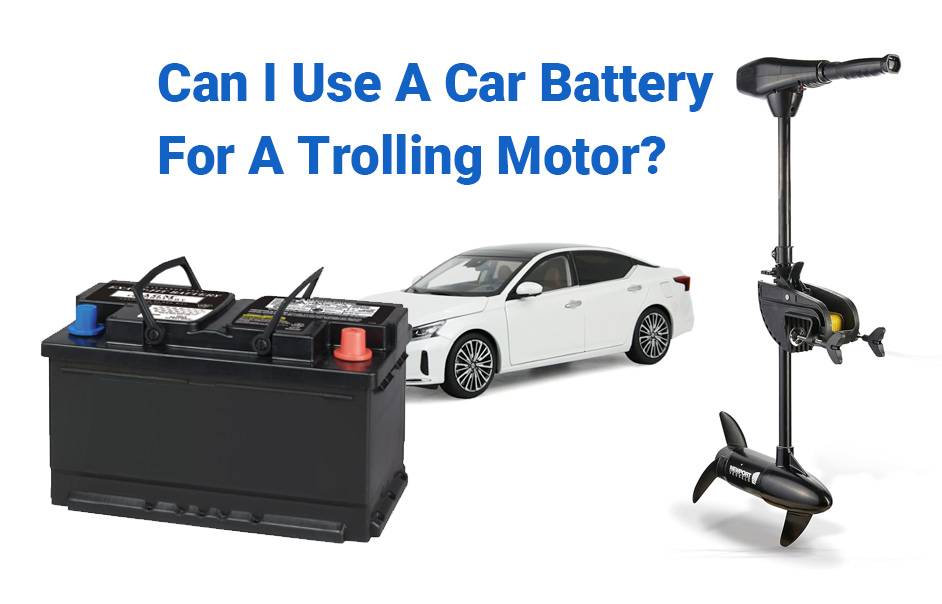
Image Source: www.redwaypower.com
The Basics: Car Batteries vs. Deep Cycle Batteries
When you’re looking to power your trolling motor, the type of battery you use makes a big difference. Trolling motors are designed to run for extended periods, often at varying speeds. This means they need a battery that can handle being discharged deeply and then recharged repeatedly without suffering damage. That’s where deep cycle batteries shine.
What Makes a Deep Cycle Battery Different?
- Designed for Sustained Use: Deep cycle batteries are built to provide a steady amount of power over a long time. They are made with thicker plates that can withstand being discharged to a much lower voltage without significant damage.
- Deep Discharge Capability: This is the key. A deep cycle battery can be discharged to 50% or even 80% of its capacity regularly. This is crucial for trolling motors, as you might be running them for hours on the water.
- Marine Batteries are Deep Cycle Batteries: Most batteries labeled as marine battery types are, in fact, deep cycle batteries. They are specifically designed for the demands of boats, including powering trolling motors and other onboard electronics.
Why Car Batteries Aren’t Ideal for Trolling Motors
Car batteries, also known as starting batteries, have a different purpose.
- Designed for Starting: Their primary job is to deliver a massive burst of power for a short time to crank the engine over. They have thinner plates that are good for this high-amperage, short-duration discharge.
- Damage from Deep Discharge: If you repeatedly discharge a car battery deeply, you will significantly shorten its lifespan. The thinner plates are more susceptible to damage and sulfation, which reduces their ability to hold a charge.
- Limited Battery Capacity: While a car battery might have a good amp-hours rating, its ability to deliver that capacity over an extended trolling session is limited.
Powering Your Trolling Motor: Key Considerations
To effectively power your trolling motor, you need to consider several factors related to the battery. The trolling motor power requirements, the battery capacity, and how you’ll go about charging trolling motor battery are all vital.
Trolling Motor Power Needs
Trolling motors come in various thrust ratings, typically measured in pounds. A higher thrust rating means a more powerful motor, which will draw more amperage from the battery.
- Amperage Draw: This is the amount of electrical current the motor uses. Higher speeds and more powerful motors mean a higher amperage draw. You can usually find the maximum amperage draw in your trolling motor’s manual.
- Voltage: Most trolling motors are either 12V, 24V, or 36V. This tells you how many 12V battery units (or combinations) you’ll need. A 12V trolling motor will require a single 12V battery. A 24V motor will need two 12V batteries wired in series, and a 36V motor will need three 12V batteries wired in series.
Battery Capacity (Amp-Hours)
Battery capacity is measured in amp-hours (Ah). This number tells you how many amps a battery can deliver for how many hours. For example, a 100 Ah battery could theoretically deliver 10 amps for 10 hours, or 20 amps for 5 hours.
- Calculating Run Time: To estimate how long a battery will last, divide the battery’s capacity by the trolling motor’s amperage draw at your typical operating speed.
- Example: If you have a 100 Ah battery and your trolling motor draws 20 amps at your usual speed, you might expect about 5 hours of run time (100 Ah / 20 A = 5 hours).
- Depth of Discharge: Remember that deep cycle batteries are rated for their capacity when discharged to about 50%. If you discharge a car battery too deeply, its effective capacity will be much lower, and the battery will be damaged.
Connecting a Car Battery to a Trolling Motor
If you decide to use a car battery as an alternative power source, you’ll need to know how to connect it.
- Single 12V Battery: For a 12V trolling motor, you’ll connect the positive (+) terminal of the car battery to the positive (+) wire of the trolling motor, and the negative (-) terminal of the battery to the negative (-) wire of the trolling motor.
- Multiple Batteries for Higher Voltage:
- Series Connection (for higher voltage): To create a 24V system from two 12V batteries, you connect the positive terminal of the first battery to the negative terminal of the second battery. The remaining negative terminal of the first battery and the positive terminal of the second battery are then your 24V output. This doubles the voltage but keeps the amp-hour capacity the same.
- Parallel Connection (for more capacity): To increase the run time of a 12V system, you can connect two 12V batteries in parallel. Connect the positive terminal of one battery to the positive terminal of the other, and the negative terminal of the first to the negative terminal of the second. This keeps the voltage at 12V but doubles the amp-hour capacity.
Wiring Diagram Example (Series Connection for 24V)
| Battery 1 (+) | Battery 1 (-) —-> | Battery 2 (+) | Battery 2 (-) |
|---|---|---|---|
| (Positive Output) | (Negative Output) |
Wiring Diagram Example (Parallel Connection for 12V)
| Battery 1 (+) —-> | Battery 1 (-) —-> | Battery 2 (+) | Battery 2 (-) |
|---|---|---|---|
| (Positive Output) | (Negative Output) |
Benefits and Drawbacks of Using a Car Battery
While possible, using a car battery for your trolling motor comes with distinct advantages and disadvantages.
Potential Advantages
- Cost-Effective Initial Purchase: Car batteries are often cheaper to buy than dedicated deep cycle battery options, especially if you already have one available.
- Availability: Car batteries are readily available at most auto parts stores.
Significant Drawbacks
- Reduced Lifespan: This is the biggest issue. Car batteries are not designed for the repeated deep discharge cycles that trolling motors require. This will lead to a much shorter overall battery life.
- Lower Performance Over Time: As a car battery is discharged, its voltage can drop more significantly than a deep cycle battery. This might mean your trolling motor runs slower or less powerfully as the battery depletes.
- Risk of Damage: Repeated deep discharges can irreversibly damage the battery, reducing its ability to hold a charge and eventually rendering it useless.
- Lower Effective Capacity: While a car battery might have a high stated amp-hours rating, you can’t safely use most of that capacity without damaging the battery. You’ll need to keep the discharge shallow, which means shorter fishing trips or carrying multiple batteries.
- Weight: Car batteries are often quite heavy, which can be a factor when loading and unloading your boat.
Optimizing Performance and Longevity if Using a Car Battery
If you choose to use a car battery, there are ways to mitigate some of the drawbacks, although they won’t entirely eliminate them.
Shallow Discharge Practices
The most critical factor is to avoid deep discharges.
- Monitor Voltage: Use a voltmeter to check the battery’s voltage regularly. For a 12V car battery, try not to let it drop below 12.4V when under load.
- Shorter Trips: Plan for shorter fishing trips where you can limit the total discharge time.
- Lower Speeds: Running your trolling motor at lower speeds will reduce the amperage draw and allow the battery to last longer without excessive discharge.
Battery Charging Practices
Proper charging trolling motor battery is crucial, whether it’s a car battery or a deep cycle one.
- Use the Right Charger: Always use a charger designed for lead-acid batteries. A charger designed for deep cycle batteries is generally safe for car batteries too, but a car battery charger might not be suitable for deep cycle batteries.
- Avoid Overcharging: Overcharging can damage any lead-acid battery, including car batteries. Most modern chargers have automatic shut-off features.
- Full Recharge: Always recharge the battery fully after each use. Do not leave a partially discharged battery sitting for long periods.
Using Multiple Car Batteries
- Parallel for Capacity: If you need more run time, consider using two car batteries in parallel (wired positive to positive, negative to negative). This will give you a higher total amp-hours capacity at 12V. However, you’ll still be subject to the limitations of discharging each battery shallowly.
- Series for Voltage: If you have a 24V or 36V trolling motor, you’ll need multiple batteries wired in series. Again, the fundamental limitation of car batteries for deep discharge remains.
When to Consider a Deep Cycle Marine Battery
For most users, investing in a dedicated marine battery or deep cycle battery is the recommended path for powering a trolling motor.
Advantages of Deep Cycle Marine Batteries
- Extended Lifespan: They are built to last much longer when subjected to the demands of trolling motors.
- Consistent Power Output: They maintain a more stable voltage throughout their discharge cycle, providing consistent power to your motor.
- Reliability: You can rely on them to perform consistently, giving you more confidence on the water.
- Higher Effective Capacity: You can safely utilize a larger percentage of their advertised amp-hours, leading to longer run times per charge.
- Designed for Marine Environments: They are often built to be more resistant to vibrations and the elements found on a boat.
Types of Deep Cycle Batteries
- Flooded Lead-Acid (FLA): These are the most common and generally the most affordable deep cycle battery options. They require regular maintenance, such as checking and topping off the electrolyte levels with distilled water.
- Sealed Lead-Acid (SLA): These include Absorbed Glass Mat (AGM) and Gel batteries. They are maintenance-free and can be mounted in various positions, but they tend to be more expensive and can be sensitive to overcharging.
- Lithium-ion (LiFePO4): These are the most advanced and expensive option. They are significantly lighter, offer a longer lifespan, faster charging, and can be discharged much deeper than lead-acid batteries. They are becoming increasingly popular among serious anglers.
Factors to Compare: Car Battery vs. Deep Cycle Marine Battery
Here’s a table summarizing the key differences to help you decide:
| Feature | Car Battery (Starting Battery) | Deep Cycle Marine Battery (FLA) | Deep Cycle Marine Battery (AGM/Gel) | Lithium-ion (LiFePO4) |
|---|---|---|---|---|
| Primary Design | Engine starting (high burst power) | Deep, sustained discharge | Deep, sustained discharge | Deep, sustained discharge |
| Plate Thickness | Thin | Thick | Thick | N/A (different chemistry) |
| Deep Discharge | Poor; causes damage and reduces life | Good; designed for it | Good; designed for it | Excellent; designed for it |
| Lifespan | Short for trolling motor use | Moderate to Good | Good to Very Good | Very Long |
| Cost | Lower initial cost | Moderate | Higher | Highest initial cost |
| Maintenance | None (sealed) | Requires water top-off | Maintenance-free | Maintenance-free |
| Weight | Moderate to Heavy | Heavy | Moderate to Heavy | Very Light |
| Voltage Stability | Can drop significantly | Good | Very Good | Excellent |
| Recharge Time | Can be slow on deep discharge | Moderate | Moderate | Fast |
Frequently Asked Questions (FAQ)
Q1: Will a car battery permanently damage my trolling motor?
No, a car battery will not permanently damage your trolling motor itself. The damage is primarily to the battery. The motor is designed to run on a specific voltage (e.g., 12V), and as long as you provide that voltage, it will function. However, if the car battery’s voltage drops too low due to deep discharge, the motor’s performance will suffer.
Q2: How many car batteries do I need for a 24V trolling motor?
For a 24V trolling motor, you will need two 12V batteries wired in series. This means connecting the positive terminal of one battery to the negative terminal of the other. The remaining negative terminal on the first battery and the positive terminal on the second battery will provide your 24V output.
Q3: Can I use a regular car charger to charge a trolling motor battery?
It’s best to use a charger specifically designed for deep cycle battery or marine battery applications. While some multi-stage chargers designed for car batteries might be adaptable, a dedicated trolling motor charger will often provide a more appropriate charging profile, especially for deep discharges, and help prolong the battery’s life. Avoid using “fast charge” settings on car chargers, as they can overheat and damage the battery.
Q4: What is the difference between a deep cycle battery and a regular car battery in terms of amp-hours?
While both types of batteries have amp-hours ratings, the crucial difference lies in their ability to deliver that capacity over time. A deep cycle battery can safely deliver a larger portion of its rated amp-hours through repeated deep discharges. A car battery’s rated amp-hours are less useful when subjected to trolling motor demands because you cannot safely discharge it as deeply without causing damage.
Q5: How long can I expect a car battery to last powering a trolling motor?
This is highly variable and depends heavily on usage patterns. If you only use it for very short periods and avoid deep discharges, it might last for a season or two. However, if you frequently discharge it significantly, you might only get a few months of use before its capacity diminishes noticeably, or it fails completely. A dedicated deep cycle battery, under similar usage, would likely last for several years.
Q6: Can I use a car battery as an alternative power source for a very small boat or kayak with a small trolling motor?
Yes, for very light usage, such as a small kayak with a low-thrust trolling motor used for short durations, a car battery might be a viable, albeit temporary or limited, solution. However, even in these cases, a small deep cycle battery designed for marine or RV use would provide better performance and longevity.
Conclusion
In summary, while you can use a car battery for a trolling motor, it’s a compromise that generally comes at the cost of battery lifespan and performance. For consistent, reliable power and to protect your investment in your trolling motor, a dedicated deep cycle battery, specifically a marine battery, is the superior choice. Prioritizing a battery designed for sustained use and deep discharge will ultimately save you money and hassle in the long run, allowing you to enjoy more time on the water.