You can generally polish a car 24 to 48 hours after it has been painted, but this is a simplified answer, and the real timeline depends heavily on various factors related to the paint curing time and the specific type of paint used. While you can touch the surface after a few hours, achieving a safe and effective automotive paint polish requires the paint to have gone through several paint drying stages and begun its clear coat hardening process. Rushing this can lead to damage and a compromised finish. This detailed guide will explore the intricacies of detailing fresh paint, the paint correction timeline, and the best practices for polishing freshly painted car surfaces.
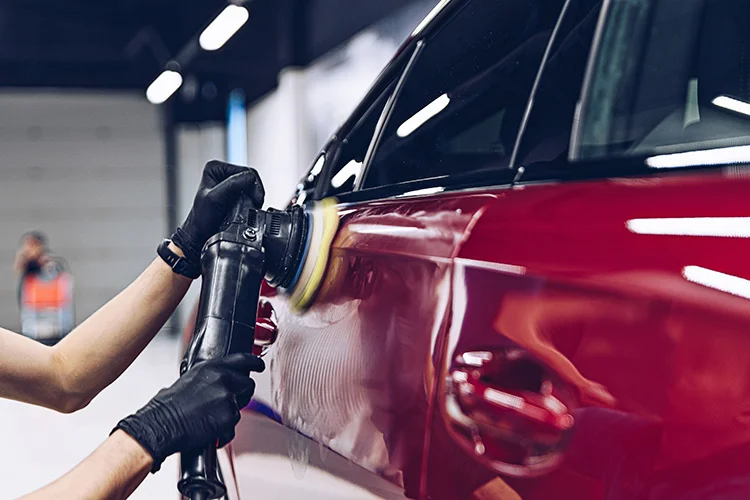
Image Source: www.cuttingedgeref.com
Deciphering Paint Curing and Drying Stages
When a car is painted, it undergoes a transformation from a liquid state to a solid, durable finish. This process isn’t instantaneous, and it involves distinct stages: drying and curing. It’s crucial to differentiate between these two to avoid damaging your freshly painted vehicle.
Paint Drying Stages: The Surface Touch
Drying refers to the evaporation of solvents from the paint. This is the initial phase where the paint becomes touch-dry.
- Flash Off: This is the very first stage. Solvents begin to evaporate, and the paint surface feels slightly tacky but won’t transfer to your finger. This typically takes a few minutes to an hour after application, depending on ambient temperature and humidity.
- Tack Free: In this stage, the paint is no longer sticky. You can gently touch the surface without leaving a mark or transferring paint to your finger. This usually happens within a few hours. This is when the surface feels hard enough to handle lightly, but it’s far from fully cured.
Paint Curing Time: The Deep Hardening
Curing, on the other hand, is a much longer process. It’s when the paint’s chemical structure fully hardens and cross-links, achieving its maximum hardness and durability. This is the phase that dictates when you can safely polish.
- Chemical Curing: This is the most critical aspect. The resins and hardeners in the paint react and form a strong molecular bond. This process continues long after the paint is touch-dry.
- Full Cure: For most modern automotive paints (especially urethanes and acrylic lacquers), full cure can take anywhere from 30 days to several months. During this time, the paint is still susceptible to damage from abrasions, chemicals, and even harsh environmental conditions.
Factors Influencing Paint Curing Time
Several variables play a significant role in how quickly paint cures. Understanding these will help you estimate the appropriate waiting period before polishing.
Type of Paint System
Different paint chemistries have vastly different curing times.
- Single-Stage Paints (e.g., some Acrylic Lacquers): These dry and cure relatively quickly. However, they are generally less durable than basecoat/clearcoat systems.
- Basecoat/Clearcoat Systems: This is the most common type of automotive paint today. The basecoat provides the color, and the clearcoat provides gloss, depth, and protection. The clearcoat is typically harder and requires longer to cure fully.
- Waterborne Paints: These are becoming more prevalent due to environmental regulations. Their curing characteristics can vary but generally follow similar principles to solvent-based systems.
Environmental Conditions
The temperature, humidity, and airflow in the environment where the car is painted and cures significantly impact curing speed.
- Temperature: Higher temperatures generally accelerate the curing process. Ideal curing temperatures are usually between 60-80°F (15-27°C). Very cold temperatures can slow down curing considerably, while excessive heat can cause issues like blistering or improper solvent release.
- Humidity: High humidity can slow down solvent evaporation and the curing process. Lower humidity is generally preferred for faster drying and curing.
- Airflow: Good ventilation helps in the evaporation of solvents, aiding the drying process.
Application Thickness and Number of Coats
How much paint is applied and how many layers are laid down will affect curing time. Thicker applications or multiple coats will naturally take longer to cure than thinner, single coats.
Curing Methods (Baking Ovens)
Professional auto body shops often use infrared curing lamps or specialized baking ovens. These controlled environments can significantly speed up the paint curing time, allowing for polishing much sooner than air-drying methods.
Can You Polish Freshly Painted Car? The Safety Threshold
The core question is when it’s safe to introduce abrasive polishing compounds to a freshly painted surface. The answer is not just about the paint being dry to the touch, but about the clear coat hardening sufficiently to withstand the friction and heat generated by polishing.
The Risk of Polishing Too Soon
Polishing involves removing microscopic layers of paint to level out imperfections and create a smooth, glossy surface. If the paint is not sufficiently cured, the polishing process can:
- Burn Through the Clear Coat: The heat generated by the polisher can quickly melt or remove the soft clear coat, leading to permanent damage.
- Cause Swirling and Scratching: Soft, uncured paint is easily scratched by polishing pads and compounds.
- Create Uneven Finishes: The abrasive action can drag uncured paint, leading to an inconsistent and unattractive result.
- Damage the Paint’s Integrity: Premature polishing can compromise the long-term durability and adhesion of the paint.
What About Wet Sanding After Painting?
Wet sanding after painting is a common technique used to remove imperfections like dust nibs, orange peel, or runs before polishing. This process requires the paint to be firm enough to withstand the abrasive action of sandpaper, but not necessarily fully cured.
- Timing for Wet Sanding: Typically, you can begin wet sanding about 24 to 72 hours after painting, depending on the paint type and curing conditions. However, the goal of wet sanding is to remove imperfections before the paint achieves its maximum hardness.
- Post-Wet Sanding Polish: After wet sanding, the surface will be very dull. A polish is then required to restore gloss. This brings us back to the original question: how long after this process can you polish? The same general timeline applies – wait until the paint is sufficiently hardened.
The Paint Correction Timeline: When is Polishing Safe?
A paint correction timeline for fresh paint is different from correcting an older, factory finish. You’re dealing with a delicate, developing surface.
General Guidelines for Polishing Fresh Paint
Most reputable sources and paint manufacturers recommend waiting a specific period for the paint to cure sufficiently before applying any abrasive polishes or waxes.
- Minimum Wait Time (Air Dry): For a typical air-dried basecoat/clearcoat system, the minimum recommended waiting period before light polishing is 24 to 72 hours. This is often when the paint is tack-free and firm enough for very careful, light polishing with fine-grit compounds.
- Ideal Wait Time (Air Dry): For optimal results and maximum safety, waiting 7 to 14 days for air-dried paint is often recommended. This allows for more substantial clear coat hardening and reduces the risk of damage.
- After Baking/Infrared Curing: If the paint was baked in an oven or cured with infrared lamps, the paint curing time is significantly accelerated. In these cases, you might be able to polish within 24 hours, or even sooner, but always follow the specific recommendations of the paint manufacturer and the body shop.
What Type of Polish is Suitable for Fresh Paint?
When you do start polishing, it’s crucial to use the right products.
- Fine-Grit Polishes: Always start with the least aggressive polish. Fine-grit, finishing polishes are ideal for detailing fresh paint. Avoid heavy compounding unless absolutely necessary and only after ample curing time.
- Ceramic or Nano Polishes: Some modern polishes are designed to be less aggressive and may be suitable for slightly earlier polishing, but always check product specifications.
The Art of Detailing Fresh Paint: Best Practices
Car detailing after painting requires a delicate touch and patience. Rushing the process can undo the hard work of the painter.
Initial Washing and Decontamination
Even after paint has cured for a few days, it’s important to wash it gently.
- Gentle Wash: Use a pH-neutral car wash soap and a high-quality microfiber wash mitt.
- Avoid Harsh Chemicals: Do not use strong degreasers, tar removers, or all-purpose cleaners on fresh paint.
- Water Only Rinse: If possible, a simple rinse with pure water can be beneficial.
Clay Bar on Fresh Paint?
Generally, avoid using a clay bar on freshly painted surfaces unless it has been cured for at least a few weeks and you are dealing with stubborn contaminants that cannot be removed by washing alone. Clay bars are abrasive and can mar the surface if the paint is not sufficiently hardened. If you must clay, use a very mild clay lubricant and a gentle touch.
Applying Protection
Once you’ve polished (or if you’re waiting to polish), applying a protective layer is important.
- Paint Sealants and Waxes: Most traditional paint sealants and waxes can be applied after the paint has been touch-dry for at least 24-48 hours. However, some manufacturers recommend waiting longer, especially if they contain certain solvents.
- Ceramic Coatings: Ceramic coatings are a popular choice for protecting new paint. They bond chemically with the clear coat and can often be applied after the paint has cured for at least 48-72 hours, but always check the specific coating manufacturer’s instructions.
Polishing Freshly Painted Car: A Step-by-Step Approach
When the time is right, follow these steps for polishing freshly painted car surfaces.
Step 1: Assess the Paint
- Inspect for Imperfections: Look for dust nibs, runs, or other surface defects.
- Determine Curing Level: Gauge how long the paint has been on the car and under what conditions.
Step 2: Gentle Washing and Drying
- Wash the car thoroughly with a pH-neutral soap and plenty of water.
- Dry the car with high-quality microfiber drying towels to prevent introducing new scratches.
Step 3: Wet Sanding (If Necessary)
- If there are noticeable imperfections, carefully perform wet sanding after painting.
- Start with a fine grit sandpaper (e.g., 2000-3000 grit) and work your way up if needed.
- Use a sanding block for flat surfaces and be very careful on curves and edges.
- Lubricate the surface generously with water or a dedicated sanding lubricant.
Step 4: Compounding (Optional and Use Caution)
- If wet sanding was performed, you might need a light compound to remove sanding marks.
- Use a very fine-cut compound and a soft foam or wool polishing pad.
- Work in small sections with minimal pressure and keep the surface lubricated.
- Crucially, do not overwork the area.
Step 5: Polishing
- This is where you restore gloss and remove light imperfections.
- Choose a fine-grit automotive paint polish.
- Use a clean, soft foam polishing pad.
- Apply a small amount of polish to the pad.
- Work in small, overlapping sections (e.g., 2×2 feet).
- Use moderate machine speed and light to moderate pressure.
- Keep the polisher moving to avoid generating excessive heat.
- Wipe off the polish residue with a clean microfiber towel.
- Inspect your work frequently.
Step 6: Applying Protection
- Once you’re satisfied with the polish, apply a quality paint sealant, wax, or ceramic coating to protect the newly corrected and vibrant finish.
Common Misconceptions and FAQs
Let’s address some frequently asked questions about polishing fresh paint.
FAQ
- Q: Can I wash my car immediately after it’s painted?
A: Yes, you can usually wash a freshly painted car gently with water after it’s tack-free (typically a few hours). However, avoid harsh soaps or vigorous scrubbing for the first few days. - Q: Is it okay to wax a freshly painted car?
A: It’s best to wait for the paint to cure for at least a week or two before applying wax or sealant, unless the product specifically states it’s safe for fresh paint. Ceramic coatings can often be applied sooner. - Q: What is the difference between paint drying stages and paint curing time?
A: Drying stages refer to the evaporation of solvents, making the paint touchable. Curing time refers to the chemical hardening process that gives the paint its full durability. You can polish only after sufficient curing has occurred. - Q: How long does clear coat hardening take?
A: Clear coat hardening is part of the overall paint curing process and can take weeks to months for full hardness. While it becomes firm enough to handle relatively quickly, it’s still vulnerable for an extended period. - Q: If my car was baked, can I polish it right away?
A: Cars baked in a controlled oven environment cure much faster. You might be able to polish after 24 hours, but always follow the paint manufacturer’s and body shop’s specific recommendations.
Conclusion: Patience is Key for a Perfect Finish
When it comes to polishing freshly painted car surfaces, patience is your greatest asset. While the paint might feel dry to the touch within hours, the crucial clear coat hardening and overall paint curing time require significant patience. Adhering to the recommended waiting periods, typically a minimum of 24-72 hours for very light work and ideally 7-14 days for more thorough paint correction, ensures the longevity and brilliance of your vehicle’s new finish. Remember to use the correct products and techniques for detailing fresh paint, and you’ll be rewarded with a stunning, durable result. Always prioritize following the specific guidance from your paint supplier or professional painter to achieve the best outcome in your paint application and polishing journey.