The short answer is yes, in a pinch, you can use marine gas in your car, but it’s generally not recommended for regular use due to potential differences in fuel specifications and additives. While both are gasoline, marine fuel vs car fuel can have variations that might affect your car’s performance and longevity over time. This article will dive deep into the nuances of gasoline in boat vs car, exploring what makes them different and the risks involved.
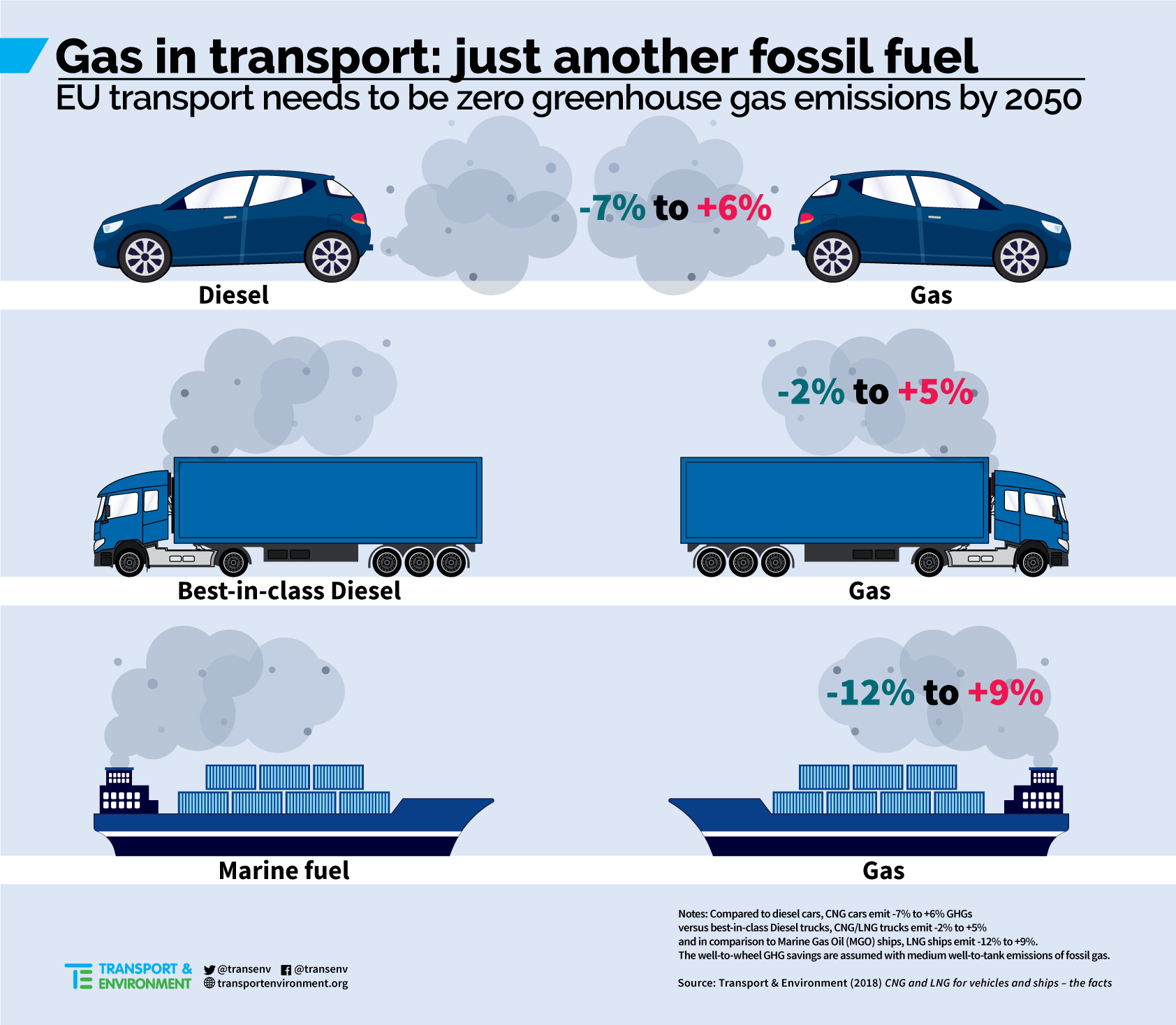
Image Source: www.transportenvironment.org
What Sets Marine Gasoline Apart?
You might wonder why marine gasoline specifications differ from what goes into your car. Boats operate in a unique environment. They are exposed to moisture, can be stationary for extended periods, and often require engines that run at consistent speeds for long durations. These conditions necessitate fuel formulations that can handle them.
Octane Rating for Marine Engines
One significant aspect is the octane rating for marine engines. While most cars today run on unleaded gasoline with varying octane ratings (87, 89, 91, 93), marine engines also have specific octane requirements. These can vary depending on the engine manufacturer and its design. Some boat engines may be tuned for higher octane fuel to prevent knocking or pre-ignition, especially under heavy load conditions. However, many standard recreational boats are designed to run on regular 87 octane gasoline, similar to many cars. It’s always best to consult your boat’s owner’s manual for the recommended octane.
Ethanol in Marine Fuel
A major point of contention when comparing marine fuel vs car fuel is the presence of ethanol. Ethanol is an alcohol-based additive often blended with gasoline. In cars, ethanol blends like E10 (10% ethanol) are widespread and generally safe for modern vehicles designed to accept them. However, ethanol in marine fuel has historically been a concern for boat owners.
Why the concern?
* Material Compatibility: Older marine fuel systems, including rubber hoses, gaskets, and seals, were not designed to withstand the corrosive properties of ethanol. Ethanol can degrade these materials, leading to leaks and system failures. While newer boats are built with ethanol-resistant components, many still in use are not.
* Water Absorption: Ethanol is hygroscopic, meaning it attracts and absorbs water. In a boat’s fuel tank, which is often exposed to condensation and potentially water intrusion, ethanol can cause phase separation. This occurs when the ethanol-water mixture separates from the gasoline and sinks to the bottom of the tank. If this water-laden ethanol is drawn into the engine, it can cause significant damage, including misfires, stalling, and corrosion of fuel system components like carburetors and fuel injectors.
* Fuel Stabilizer Needs: When storing a boat for extended periods, storing marine fuel with ethanol requires careful attention to fuel stabilizers. Ethanol can break down faster than pure gasoline, leading to gum and varnish deposits that can clog fuel lines and injectors.
Cars, on the other hand, are typically designed to handle E10 fuel without issue. Many modern cars are even rated for E15. The risk of phase separation and material degradation is generally lower in a car’s sealed fuel system, although prolonged storage with ethanol can still lead to problems.
Fuel Additives for Marine Engines
Beyond ethanol, fuel additives for marine engines can also differ. Some marine fuels might contain additives designed to protect against corrosion in a saltwater environment or to keep fuel systems clean during periods of infrequent use and storage. While these additives are generally not harmful to a car engine, they may not be optimized for the specific needs of an automotive powerplant. Conversely, automotive fuels might contain additives designed for the stop-and-go driving typical of cars, which aren’t as critical for the steady-state operation of many marine engines.
Differences Between Marine and Auto Fuel: A Closer Look
When we talk about differences between marine and auto fuel, it’s not just about the additives. The refining process and quality control standards can also vary.
Marine Gasoline Specifications
Marine gasoline specifications often prioritize stability and preventing the issues we discussed with ethanol and water. This is why some marine fuels are marketed as “ethanol-free.” If you encounter ethanol-free marine gasoline, it’s generally safer to use in a car than an ethanol-blended marine fuel, assuming the octane rating is appropriate.
However, not all marine gasoline is ethanol-free. Many marinas sell standard E10 fuel, identical to what you’d find at a car gas station. It’s crucial to read the pump label carefully.
Auto Fuel Standards
Automotive gasoline is regulated by strict standards set by organizations like the EPA in the United States. These standards ensure a certain level of quality and performance for a wide range of vehicles. The additives in automotive gasoline are designed to improve fuel economy, reduce emissions, and keep engines clean.
Can You Use Marine Gas in a Car? The Practical Implications
So, can you fill your car’s tank with marine gas? Let’s break down the potential consequences.
What Happens if You Put Marine Gas in Your Car?
If the marine gas is a standard E10 blend and has an appropriate octane rating for your car, you likely won’t notice immediate problems. Your car’s engine is designed to tolerate E10. However, if the marine gas contains specific additives not meant for automotive use, or if it’s an unusually formulated blend, it could potentially cause issues over time.
Car Engine Damage From Marine Gas
The primary concern for car engine damage from marine gas arises from:
- Ethanol Content: If the marine fuel has a higher ethanol content than your car is designed for (e.g., an E15 or E85 blend in a car only rated for E10), it can damage fuel lines, seals, and other rubber or plastic components. It can also affect the air-fuel mixture, leading to poor performance.
- Water Contamination: As mentioned, water contamination is a significant risk with marine fuel systems due to the hygroscopic nature of ethanol. If water makes its way into your car’s fuel tank, it can lead to corrosion, poor combustion, and potential damage to fuel injectors and the fuel pump.
- Unknown Additives: While unlikely to cause catastrophic failure, unknown additives in marine fuel might not perform as intended in a car engine and could potentially lead to deposit buildup or reduced efficiency over the long term.
Boating Fuel Octane vs. Car Octane
The boating fuel octane requirement is often similar to cars, with many recreational boats using 87 octane regular unleaded. However, performance boats or certain inboard engines might require higher octane fuel, just like performance cars. If you use a lower-octane marine fuel in a car that requires premium, you risk engine knocking and reduced performance. Conversely, using a higher-octane marine fuel in a car that runs fine on regular is usually not harmful but is an unnecessary expense.
When Might You Be Tempted to Use Marine Gas?
Life happens, and sometimes you might find yourself in a situation where the only available gasoline is at a marina. Perhaps you’re on a road trip, far from a traditional gas station, and the marina is your only option. In such a scenario, if you absolutely must, you might consider using marine gasoline.
Scenario: You’re in a remote area, your car is on fumes, and the only fuel available is at a marina.
Action:
1. Check the Pump: Carefully examine the pump to see if it explicitly states “Ethanol-Free” or lists the ethanol blend (e.g., E10).
2. Assess Octane: Ensure the octane rating is appropriate for your vehicle. Most cars run on 87 octane.
3. Use Sparingly: If you must use it, try to use as little as possible to get you to a proper gas station. Avoid filling your entire tank if you can.
4. Consider Fuel Stabilizer: If you have a fuel stabilizer designed for gasoline engines (check if it’s safe for ethanol if the marine gas contains it), adding a dose might offer some protection, especially if you’ll be storing the fuel for a while.
Best Practices for Fueling Your Car
To avoid potential problems, it’s always best to stick to the fuel recommendations for your vehicle.
What Fuel Should You Use in Your Car?
- Owner’s Manual: Always refer to your car’s owner’s manual for the recommended octane rating and ethanol tolerance.
- Reputable Stations: Fill up at well-maintained, reputable gas stations.
- Check the Pump: Be aware of the fuel type and blend being dispensed.
Storing Marine Fuel and Car Fuel
Proper storage is crucial for both types of fuel.
* Marine Fuel Storage: When storing marine fuel, especially in boats that sit for long periods, using a fuel stabilizer is highly recommended, particularly if the fuel contains ethanol. Store fuel in approved containers away from heat and ignition sources.
* Car Fuel Storage: Similarly, when storing gasoline for vehicles (e.g., in a lawnmower or generator tank), use a quality fuel stabilizer. Modern gasoline, especially with ethanol, has a limited shelf life.
Can You Mix Marine Gas and Car Gas?
Mixing small amounts of marine gas with your car’s existing fuel is unlikely to cause immediate harm, especially if both are E10. However, mixing fuels with different additive packages or significantly different ethanol content is generally not advisable. It can lead to unpredictable engine behavior and potentially compromise the benefits of the additives in your car’s fuel.
Frequently Asked Questions (FAQ)
Q1: Is marine gas the same as regular car gas?
A1: Not always. While both are gasoline, marine gas may have different additive packages and varying ethanol content. Ethanol-free marine gas is different from standard E10 automotive gasoline.
Q2: Will using marine gas in my car damage it?
A2: It’s unlikely to cause immediate, severe damage if it’s a standard E10 blend with the correct octane. However, long-term use or using marine gas with higher ethanol content or unknown additives could potentially cause damage to fuel system components or affect performance.
Q3: What is the main concern with ethanol in marine fuel?
A3: The main concerns are material degradation of older fuel system components, water absorption leading to phase separation, and increased corrosiveness, which can lead to engine problems and fuel system damage.
Q4: Can I use ethanol-free marine gas in my car?
A4: Yes, ethanol-free marine gas is generally safe to use in a car, provided the octane rating is appropriate. It’s often considered a higher-quality fuel for cars that can benefit from it.
Q5: How do I know if marine gas contains ethanol?
A5: Check the pump label. Most gasoline sold today is E10, but some marinas may offer ethanol-free options. Look for explicit labeling like “Ethanol-Free” or an indication of the blend percentage.
Q6: Is the octane rating for marine engines different from cars?
A6: The octane requirements can vary for both. Many boats use regular 87 octane, similar to many cars, but some high-performance engines in both vehicles and boats require higher octane fuel. Always check your engine’s manual.
Q7: What are the risks of storing marine fuel?
A7: Stored marine fuel, especially with ethanol, can degrade, form gums, and absorb water. Using a fuel stabilizer is crucial for long-term storage to maintain fuel quality.
Q8: If I’m stranded, is it better to use marine gas or run my car out of fuel?
A8: In a true emergency where running out of fuel would be more detrimental (e.g., in a dangerous location), using marine gas from a reputable marina might be a necessary short-term solution to get you to safety or a proper fuel station. However, it’s a risk that should be minimized.
Conclusion
While the temptation might exist in a bind, using marine gas in your car should be approached with caution. The potential differences in marine fuel vs car fuel, particularly regarding ethanol content and specific additives, mean that it’s not a direct, risk-free substitute for automotive gasoline. For the optimal health and performance of your car’s engine, it’s always best to stick to fuel from reputable automotive service stations that meet the specifications outlined in your vehicle’s owner’s manual. Prioritizing the correct fuel ensures your car runs smoothly and avoids costly repairs down the line.