No, you should not put coolant in your car when the engine is hot. Adding coolant to a hot engine can be dangerous and cause serious damage to your vehicle. It’s crucial to allow the engine to cool down completely before attempting to add any coolant.
Your car’s cooling system is a vital part of its overall operation, especially when it comes to preventing engine overheating. This system works by circulating a mixture of coolant (also known as antifreeze) and water through the engine. The coolant absorbs heat from the engine and then dissipates it through the radiator, keeping your engine at an optimal operating temperature. But what happens when that system is low on coolant, and the engine is hot? Let’s delve into the expert advice on this critical automotive cooling topic.
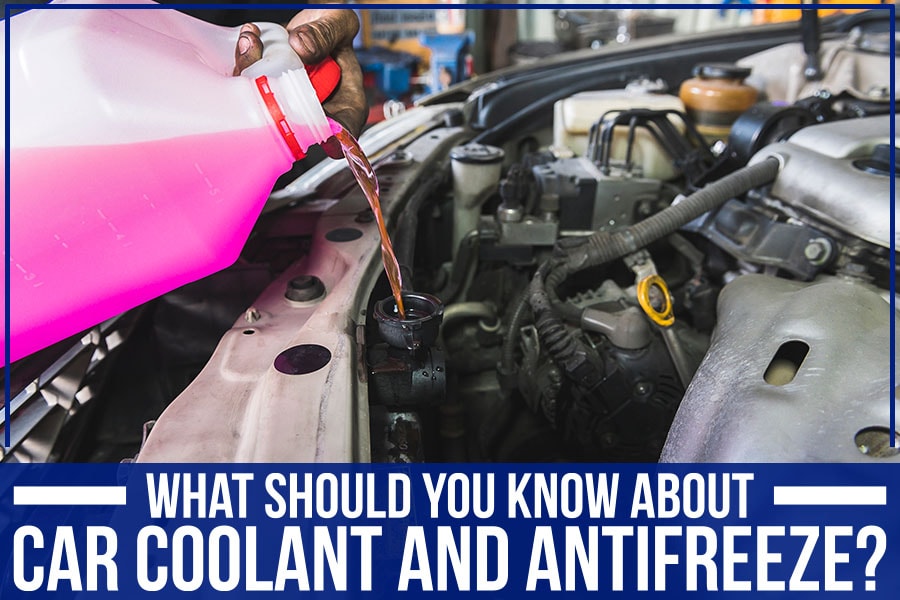
Image Source: pictures.dealer.com
The Risks of Adding Coolant to a Hot Engine
When your engine is running, it generates a tremendous amount of heat. The coolant temperature inside the engine and radiator can reach well over 200 degrees Fahrenheit (93 degrees Celsius). This extreme heat isn’t just about discomfort; it’s a powerful force that influences the state of your coolant and the components of your cooling system.
Thermal Expansion: A Powerful Force
One of the primary reasons it’s dangerous to add coolant when the engine is hot is thermal expansion. All fluids, including coolant, expand when heated. When your engine is hot, the coolant inside is under pressure and has expanded significantly. If you suddenly introduce a cooler liquid into a pressurized, hot system, you can create a dramatic and potentially explosive change in pressure.
Imagine a sealed, pressurized container filled with a hot liquid. If you were to open it and quickly pour in a cold liquid, the sudden temperature difference could cause the container to rupture or the liquid to spray out violently. Your car’s cooling system, while designed to handle pressure, has its limits.
The Radiator Cap: A Safety Device
The radiator cap is more than just a lid; it’s a crucial pressure-relief valve. It’s designed to maintain a specific pressure within the cooling system. When the pressure reaches a certain point, the cap allows a small amount of coolant to escape into an overflow reservoir, preventing excessive pressure buildup that could damage hoses, the radiator, or even the engine block.
When the engine is hot, the coolant is under high pressure. If you were to remove the radiator cap at this time, the pressurized hot coolant could erupt forcefully from the radiator neck, causing severe burns. This is a significant engine safety concern.
Sudden Temperature Shock
Introducing a cooler liquid into hot metal components can also lead to what’s known as “thermal shock.” Metal, especially the cast iron or aluminum found in engine blocks and cylinder heads, can crack or warp if subjected to rapid and extreme temperature changes. While modern engines are built to withstand some temperature fluctuations, the sudden influx of a much cooler liquid into highly heated metal can stress these components beyond their tolerance. This can lead to expensive repairs down the line.
Incomplete Mixing and Reduced Efficiency
Even if you manage to add coolant without immediate catastrophic failure, adding it to a hot system can lead to incomplete mixing. The cooler coolant might initially pool at the bottom of the radiator or in specific sections of the engine block, while the hotter coolant remains elsewhere. This uneven distribution can hinder the cooling system’s ability to efficiently transfer heat away from the engine, potentially leading to localized hot spots and contributing to engine overheating.
When is it Safe to Add Coolant?
The golden rule for safe coolant addition is patience. You must wait until the engine has cooled down considerably. But what does “cooled down” mean in practical terms?
The “Touch Test” (Use With Extreme Caution!)
While not the most precise method, a common informal test is to cautiously touch the radiator hose. If it’s too hot to touch, the system is still too hot. If it’s warm but you can briefly hold your hand on it, the system might be cool enough. However, this is not a foolproof method and should be attempted with extreme caution, as hoses can retain heat and cause burns even when the radiator isn’t scalding.
The Safest Approach: Waiting Time
The most reliable and safest method is to simply wait. For a car that has been driven normally, it’s generally recommended to wait at least an hour after parking for the engine and cooling system to cool down sufficiently. If the car has been driven for an extended period, in very hot weather, or if you suspect a significant cooling issue (like engine overheating symptoms), you might need to wait even longer – two to three hours or more.
Using a Temperature Gauge
A more precise method is to use an infrared thermometer to check the temperature of the radiator or coolant reservoir. However, most people don’t carry these. A simpler, though less accurate, indicator is the temperature gauge on your dashboard. When the engine is at normal operating temperature, the gauge should be in the middle. If the engine has recently overheated, the gauge will be in the red zone. You should wait until the gauge has returned to the normal operating range and then allow additional time for residual heat to dissipate.
How to Add Coolant Safely
Once you’ve confirmed the engine has cooled down sufficiently, follow these steps for safe coolant addition:
Step 1: Locate the Coolant Reservoir
Most modern cars have a translucent plastic coolant reservoir or overflow tank, usually located near the front of the engine bay. This is the easiest and safest place to add coolant.
Step 2: Check the Coolant Level
Look at the side of the reservoir. There will be markings indicating the “MIN” or “LOW” level and the “MAX” or “FULL” level. The coolant level should be between these two marks when the engine is cold.
Step 3: Prepare the Coolant
- Coolant Type: Always use the type of coolant recommended in your car’s owner’s manual. Coolants come in different colors and formulations (e.g., green, orange, pink, yellow), and mixing incompatible types can cause damage.
- Mixing: If you are adding concentrated coolant, you will need to mix it with distilled water. A 50/50 mixture is standard for most climates, providing good freeze and boil-over protection. Always use distilled water, as tap water contains minerals that can clog the cooling system. Check your owner’s manual for the recommended mixture ratio.
Step 4: Adding Coolant to the Reservoir
- If the level is below MIN: Slowly pour the pre-mixed coolant into the reservoir until it reaches the “MAX” or “FULL” line. Do not overfill.
- If the reservoir is empty or very low: This indicates a significant leak or loss of coolant. While you can add coolant to get by, it’s crucial to find and fix the leak promptly.
Step 5: Adding Coolant Directly to the Radiator (Use Extreme Caution!)
Only attempt this if your owner’s manual specifically instructs you to, and only after the engine has completely cooled down.
- Once the engine is cool, carefully unscrew the radiator cap. You might hear a slight hiss as any residual pressure escapes.
- Slowly pour the pre-mixed coolant into the radiator until it is full.
- Replace the radiator cap securely.
Step 6: Check the Cooling System
- Start the engine and let it run for a few minutes.
- Watch the temperature gauge to ensure it stays within the normal range.
- Inspect the coolant reservoir and radiator area for any signs of leaks.
- After the engine has cooled down again, re-check the coolant level in the reservoir and top it off if necessary.
Diagnosing Low Coolant and Engine Overheating Symptoms
If you find yourself frequently needing to add coolant, or if your car is showing signs of engine overheating, it’s a clear indication that something is wrong with your cooling system. Some common overheating symptoms include:
- Temperature gauge reading in the red zone: This is the most obvious sign.
- Steam or smoke coming from under the hood: This often indicates a coolant leak or boiling coolant.
- A sweet smell: This is characteristic of leaking coolant.
- Warning lights on the dashboard: Your car may have specific warning lights for engine temperature or low coolant.
- Reduced engine performance: An overheated engine may run poorly or stall.
- Leaking coolant under the car: Puddles of colored liquid (green, orange, pink, etc.) under your vehicle are a tell-tale sign of a leak.
Common Causes of Coolant Loss
- Leaking Hoses: Cracks, splits, or loose clamps on radiator hoses or heater hoses are common culprits.
- Radiator Leaks: The radiator itself can develop leaks due to corrosion or damage.
- Water Pump Failure: The water pump circulates coolant. If its seal fails, it can leak.
- Head Gasket Failure: A blown head gasket can allow coolant to leak into the combustion chamber or the oil system.
- Faulty Radiator Cap: A worn-out radiator cap may not hold pressure correctly, leading to coolant loss.
- Heater Core Leaks: Located inside the passenger cabin, a leaking heater core can cause a damp floorboard and a sweet smell.
If you suspect a leak or any other issue with your cooling system, it’s best to have a qualified mechanic inspect it. Ignoring these signs can lead to severe engine damage, including catastrophic failure.
Coolant System Checks: Regular Maintenance is Key
Preventing engine overheating and ensuring the longevity of your automotive cooling system relies on regular coolant system checks and maintenance.
What to Check Regularly:
- Coolant Level: As mentioned, keeping the coolant at the correct level in the reservoir is paramount.
- Coolant Condition: Coolant degrades over time. It should be bright and clean. If it looks rusty, dirty, or sludgy, it needs to be flushed and replaced.
- Hoses and Belts: Inspect hoses for cracks, swelling, or softness. Check belts for wear and proper tension.
- Radiator Cap: Examine the rubber seals on the radiator cap for any signs of damage or wear.
- Leaks: Look for any coolant leaks around the radiator, hoses, water pump, and reservoir.
Periodic Maintenance:
- Coolant Flush and Refill: Most manufacturers recommend flushing and refilling the cooling system every 30,000 to 60,000 miles, or every 2-5 years. This removes old, degraded coolant and any contaminants that may have built up.
- Thermostat Replacement: The thermostat regulates coolant flow. If it fails, it can cause overheating.
- Water Pump Inspection: While not a regular replacement item, it’s good to have the water pump inspected during major service intervals.
Frequently Asked Questions (FAQ)
Q1: Can I just add water to my car if the coolant is low?
A: In an emergency, you can add plain water to top off the coolant if the engine is overheating. However, this is a temporary fix. Water alone does not provide the same freeze or boil-over protection as coolant and can lead to corrosion. You should drain and refill with the proper coolant mixture as soon as possible.
Q2: How often should I check my coolant?
A: It’s a good practice to check your coolant level at least once a month and before long trips. Also, check it anytime you notice overheating symptoms.
Q3: What happens if I mix different types of coolant?
A: Mixing incompatible coolants can cause chemical reactions that create sludge, clog the cooling system, and reduce its efficiency. In some cases, it can also cause corrosion. Always use the coolant specified in your owner’s manual.
Q4: My car is steaming. Should I add coolant?
A: If your car is steaming, it’s likely due to a leak causing hot coolant to hit cooler engine parts or the ground. Do NOT add coolant to a steaming engine. The system is hot and under pressure. Turn off the engine immediately and let it cool down completely before inspecting for leaks and adding coolant.
Q5: Is it okay to leave the coolant cap off overnight?
A: No, it’s generally not recommended to leave the coolant cap off overnight. The cooling system is designed to operate under pressure, and leaving it open can allow contaminants like dirt and moisture to enter the system, potentially causing damage. It also allows the coolant to evaporate more readily.
Conclusion
The question of whether you can put coolant in your car when it’s hot has a clear and firm answer: no. The risks associated with thermal expansion, pressure buildup, and thermal shock to engine components are too significant. Prioritizing engine safety and the integrity of your cooling system means exercising patience and waiting for the engine to cool down. Regular coolant system checks and adherence to maintenance schedules are the best ways to prevent issues like engine overheating and ensure your car’s automotive cooling system functions effectively. Always consult your owner’s manual for specific recommendations for your vehicle and, when in doubt, seek professional advice from a trusted mechanic.