Yes, you can wash your car in 30-degree weather, but it comes with specific risks and requires careful preparation and execution. Washing your car in freezing temperatures presents challenges that differ significantly from warmer months. This guide will delve into the details, offering winter car wash tips and explaining car wash safety cold to ensure you can maintain your vehicle’s cleanliness without causing damage.
Washing a car in freezing temperatures needs extra care. The primary concern is water freezing on your car’s surfaces, which can lead to paint damage, frozen door locks, and issues with windows and seals. However, with the right approach, a cold weather car wash can be a safe and effective way to keep your vehicle looking good and protected from winter’s harsh elements. Let’s explore washing car in cold and how to handle car wash at low temperatures.
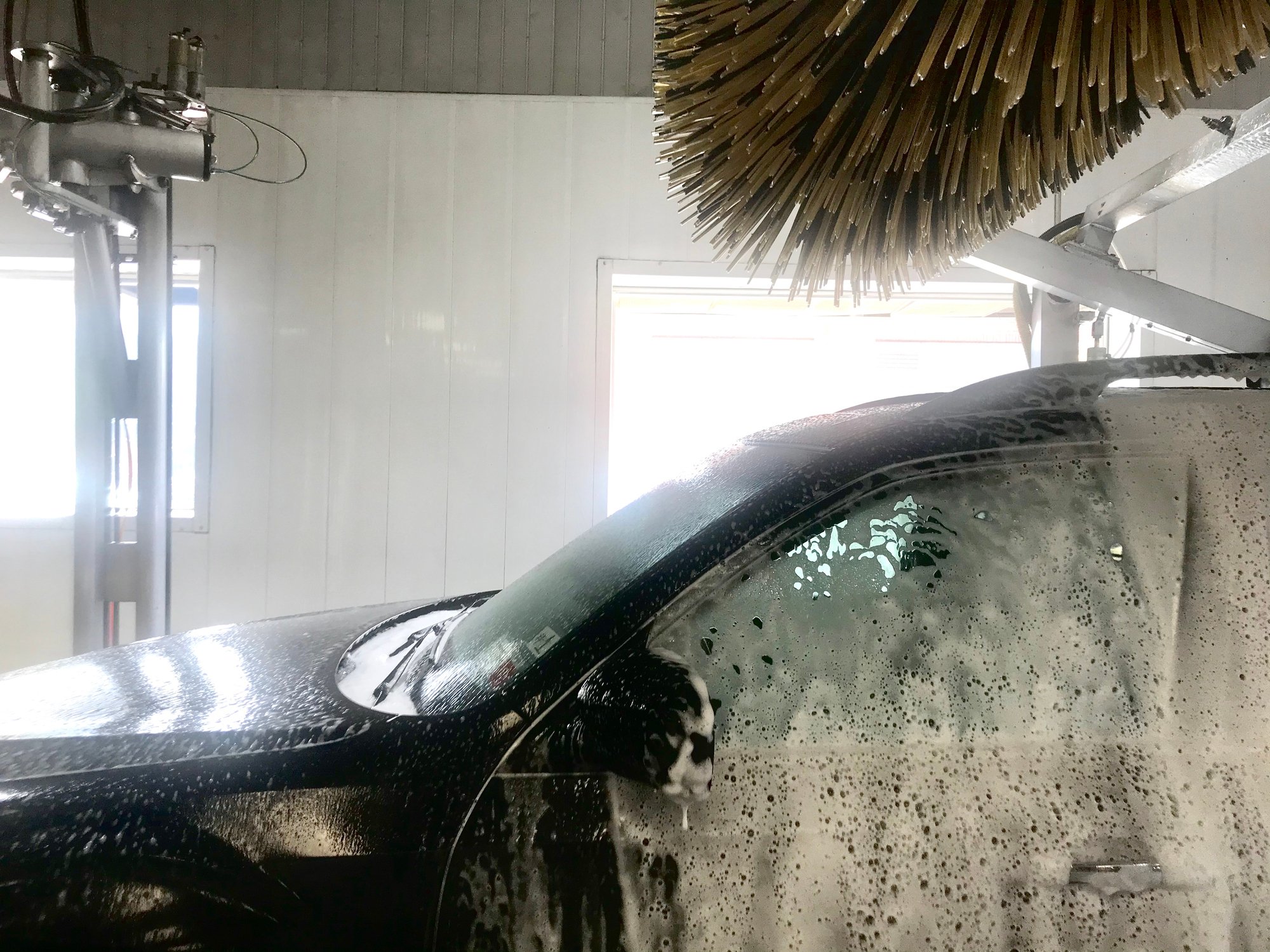
Image Source: www.thesilverlining.com
The Risks of Washing Your Car in Cold Weather
When the mercury dips to 30 degrees Fahrenheit (around -1 degree Celsius), water becomes a potential hazard for your car. The most significant risk is ice formation.
Water Freezing and Its Consequences
- Paint Damage: If water droplets are left to freeze on your car’s paint, they can expand and contract with temperature changes. This can cause micro-cracks in the paint, leading to chipping or peeling over time, especially if salt and grime are present.
- Frozen Door Locks and Seals: Water can seep into door locks, window channels, and rubber seals. When this water freezes, it can prevent doors from opening or closing properly. Stuck windows are also a common issue.
- Windshield Wiper Blades: Wiper blades can freeze to the windshield, and attempting to run them with ice underneath can tear the rubber or damage the wiper motor.
- Frozen Car Wash Equipment: If you’re using a pressure washer or hose, the water inside the equipment can freeze, potentially damaging the pump or nozzles.
- Slipping Hazards: Water that drips onto the ground can freeze, creating slippery surfaces around your vehicle, increasing the risk of falls for you and anyone else around.
When to Wash Your Car in Winter
Choosing the right time of day is crucial for a cold weather car wash. Even when the air temperature is around 30 degrees, there might be windows of opportunity when washing is safer.
Ideal Timing for a Winter Car Wash
- Midday Hours: The best time to wash your car in winter is typically between late morning and early afternoon. This is when the sun is highest in the sky, providing a bit more warmth and helping to evaporate water more quickly. Avoid washing very early in the morning or late in the evening when temperatures are likely to be at their lowest.
- Warmer Winter Days: Keep an eye on the weather forecast. On days when the temperature is expected to rise above freezing, even if only slightly, it’s a much better time to wash your car. A few degrees above 32°F (0°C) can make a significant difference.
- After a Snowfall (but before it melts and refreezes): If you’ve driven through slush and salt for a while, washing off the grime is important. However, do this when temperatures are not extremely low and the sun is out.
How to Wash Your Car in Ice and Cold Conditions
If you decide to proceed with a car wash at low temperatures, especially when it’s around 30 degrees, you need to employ specific techniques and car wash precautions 30 degrees.
Essential Preparations
-
Choose Your Location Wisely:
- Avoid Direct Sunlight for Too Long: While sun helps, direct, hot sun can cause water to dry too quickly, leaving spots. A cloudy but not freezing day is ideal.
- Sheltered Areas: If possible, wash your car in a sheltered area like a garage or a car wash bay that offers some protection from the wind and further temperature drops.
- Access to Warm Water: If you’re doing it yourself, having access to warm water is a game-changer.
-
Gather the Right Supplies:
- Two Buckets: Use one bucket for soapy water and another for rinsing your wash mitt. This prevents grit from being reintroduced onto the paint.
- pH-Neutral Car Wash Soap: A good quality soap is essential for lifting dirt without stripping wax or sealants.
- Microfiber Wash Mitts and Drying Towels: These are gentle on paint and highly absorbent.
- Wheel Cleaner and Brush: Wheels often collect the most corrosive road salt and grime.
- Hose with Adjustable Nozzle: For rinsing.
- Waterless Wash or Rinseless Wash Solution (Optional but Recommended): For minimal water use.
- Protectant for Rubber Seals: Silicone spray or a rubber protectant can prevent seals from freezing.
Step-by-Step Washing Process in Cold Weather
- Pre-Rinse: Use lukewarm water if possible for the initial rinse. This helps to loosen dirt and grime and slightly warm the surface, making it less susceptible to immediate freezing. Focus on rinsing away as much salt and grit as you can.
- Wash in Sections: Work on one section of the car at a time (e.g., the roof, then a door). This prevents the wash solution from drying on the surface.
- Use Lukewarm Water: If you’re washing at home, consider using lukewarm water in your buckets. This will help keep the soap from freezing and make the process more comfortable.
- Gentle Washing: Use a clean microfiber wash mitt, dipping it into your soapy water bucket. Gently wash the surface, working from top to bottom. Rinse the mitt frequently in your rinse bucket.
- Rinse Thoroughly: Rinse each section immediately after washing it. Again, lukewarm water is preferable if available. Aim to remove all soap residue.
-
Drying is Critical: This is arguably the most important step in car wash safety cold.
- Dry Immediately and Thoroughly: Use high-quality, plush microfiber drying towels. Don’t let water air dry, as this is where ice formation happens.
- Blow Dry Crevices: Use a leaf blower or a dedicated car dryer to blast water out of door jambs, mirrors, panel gaps, and around windows. These are common areas where water can collect and freeze.
- Dry Door Seals and Locks: Pay extra attention to drying door seals, handles, and locks with a separate, dry microfiber towel.
-
Protecting Car in Cold Weather:
- Apply a Protectant: Once the car is dry, consider applying a spray wax or sealant. This adds a layer of protection against the elements and can make future washes easier.
- Treat Rubber Seals: Apply a silicone-based lubricant or rubber protectant to all rubber seals (doors, windows, trunk). This prevents them from sticking and freezing shut.
- Lubricate Locks: A quick spray of graphite lubricant or a de-icer spray into the keyhole of your locks can prevent them from freezing.
Alternatives to Traditional Car Washing in Freezing Temperatures
If the conditions are too harsh for a full wash, or you want to minimize risk, consider these alternatives for washing car in ice and freezing temperatures car cleaning.
Rinseless Washing
A rinseless wash uses a special solution mixed with water in a single bucket. You dip your wash mitt into the solution, wash a section of the car, and then dry that section immediately with a microfiber towel. This method uses much less water and significantly reduces the amount of water left on the car to freeze.
- How it works: The special solution encapsulates dirt particles, allowing them to be safely wiped away without scratching.
- Benefits: Uses less water, minimizes dripping water, and is quicker.
- Precautions: Ensure you use enough product in the water and plenty of clean microfiber towels.
Waterless Washing
Waterless washing involves spraying a specialized cleaning solution directly onto the car’s surface and wiping it away with microfiber towels. This is ideal for light dust or dirt.
- How it works: The spray lifts and lubricates dirt, allowing it to be safely wiped off.
- Benefits: No water used, extremely quick, and can be done in a garage.
- Limitations: Not suitable for heavily soiled vehicles or vehicles with thick layers of road salt and grime.
Professional Car Washes
Automated car washes, especially those with enclosed bays and heated drying systems, are a good option when temperatures are very low.
- Benefits: They are designed to handle cold conditions, often using pre-heated water and powerful blowers for drying.
- Considerations: Ensure the car wash you choose has a good drying system. Some may still leave residual water in crevices.
Protecting Your Car in Cold Weather Beyond Washing
Properly protecting car in cold weather involves more than just washing. Regular maintenance and specific treatments can safeguard your vehicle during winter.
Key Protective Measures
- Apply a Wax or Sealant: A good quality car wax or synthetic sealant applied before winter can provide a protective barrier against salt, ice, and grit. This makes washing easier and helps prevent corrosion.
- Protect Your Undercarriage: Road salt is highly corrosive and can wreak havoc on your car’s undercarriage, suspension, and brake lines. Consider an undercarriage wash or treatment, especially after driving on treated roads.
- Check and Top Up Fluids: Ensure your windshield washer fluid is rated for low temperatures. Antifreeze levels should be checked to prevent engine damage.
- Tire Pressure: Cold temperatures can cause tire pressure to drop. Check and adjust your tire pressure regularly for optimal safety and performance.
- Battery Health: Cold weather puts a strain on your car battery. Ensure it’s in good condition and the terminals are clean.
- Door Lock De-Icer: Keep a small bottle of de-icer in your glove compartment.
Can I Wash My Car in 30 Degree Weather? – A Summary of Best Practices
Let’s break down the core recommendations for a cold weather car wash:
| Aspect | Recommendation | Why it Matters |
|---|---|---|
| Timing | Midday, on a warmer winter day (above freezing if possible). | Minimizes the risk of freezing and allows for quicker drying. |
| Water Temperature | Lukewarm water is preferable for washing and rinsing. | Helps prevent immediate freezing and is more comfortable. |
| Washing Method | Work in sections, wash gently, rinse immediately. | Prevents soap from drying and reduces water sitting on surfaces. |
| Drying | CRITICAL: Dry immediately and thoroughly with microfiber towels. | Prevents water from freezing on the paint and in crevices. |
| Crevice Drying | Use compressed air or a leaf blower to dry door jambs, mirrors, and panel gaps. | Eliminates hidden water that can freeze and cause issues. |
| Sealant/Protectant Use | Apply a spray wax or sealant after drying. Treat rubber seals with a lubricant. | Adds protection against elements and prevents doors from freezing shut. |
| Lock Lubrication | Use a graphite lubricant or de-icer in keyholes. | Prevents locks from freezing. |
| Alternative Methods | Consider rinseless or waterless washes for light dirt. | Use less water, reducing freezing risks. |
| Professional Options | Enclosed, heated automatic car washes are a safe alternative. | Designed for cold weather, often with robust drying systems. |
| Post-Wash Check | Ensure doors open and close freely, and windows operate smoothly. | Confirms no freezing has occurred in critical areas. |
How to Wash My Car in Ice?
Washing a car that already has ice on it is trickier and generally not recommended unless you have a controlled environment like a heated garage. If you must, use lukewarm water to melt the ice. Start with the windows, gently applying lukewarm water to loosen the ice, then carefully scrape or wipe it away. For the body, a gentle rinse with lukewarm water is needed, followed by immediate and thorough drying. Washing car in ice requires extreme caution to avoid shocking the paint with sudden temperature changes or causing further ice buildup.
Car Wash Safety Cold: Key Takeaways
- Don’t let water freeze on your car. This is the golden rule.
- Dry, dry, dry! Thorough drying is paramount.
- Protect vulnerable areas. Seals, locks, and door jambs need extra attention.
- Use the right tools. Microfiber is your friend.
- Consider alternatives if conditions are too severe.
Washing car in cold weather requires preparation and patience. By following these winter car wash tips, you can safely clean your vehicle and protect it from the harsh winter elements, even when temperatures are hovering around 30 degrees.
Frequently Asked Questions (FAQ)
Q1: Can I use hot water to wash my car in 30-degree weather?
It’s generally better to use lukewarm water rather than very hot water. Extremely hot water can shock the paint, especially if it’s cold, potentially causing micro-cracks. Lukewarm water is safer and still effective at loosening dirt and reducing the risk of immediate freezing.
Q2: What happens if water freezes on my car after washing?
If water freezes on your car, it can cause several problems:
* Paint damage: Ice expansion can create small cracks.
* Frozen doors/windows: Water trapped in seals can freeze, making them difficult or impossible to open.
* Frozen locks: Moisture in keyholes can turn into ice, preventing you from using your keys.
* Damage to wiper blades: Wiper blades can freeze to the windshield and get torn when you try to use them.
Q3: How can I prevent my car doors from freezing shut after a wash?
The best way to prevent frozen doors is to dry all rubber seals thoroughly with a microfiber towel. After drying, apply a silicone-based lubricant or rubber protectant to the seals. This creates a barrier that discourages ice from forming and sticking.
Q4: Is it better to go to an automatic car wash in winter?
Yes, automatic car washes are often a safer bet in freezing temperatures. They are equipped with systems to handle cold weather, including using heated water and powerful blowers for drying. Just ensure the one you choose has a good drying cycle.
Q5: How do I deal with road salt on my car in winter?
Road salt is highly corrosive and can damage your car’s paint and undercarriage. It’s important to wash your car regularly during winter to remove salt. Focus on rinsing the undercarriage as well. If you can’t do a full wash, at least rinse off the salt with water, especially after driving on treated roads.
Q6: Can I wash my car if the temperature is below freezing?
While possible, it is strongly discouraged to wash your car if the ambient temperature is significantly below freezing (e.g., below 25°F or -4°C). The risk of water freezing on surfaces and causing damage increases dramatically. Stick to temperatures closer to 30°F (-1°C) or, ideally, above freezing, and follow all the precautions mentioned in this guide.
Q7: What are the best cleaning products for a cold weather car wash?
For a cold weather car wash, you’ll want pH-neutral car wash soap, plenty of clean microfiber wash mitts and drying towels, a good wheel cleaner, and potentially a rinseless wash solution or a spray-on wax/sealant. A rubber seal protectant is also highly recommended.