Yes, you can wash your car in freezing weather, but it comes with significant risks and requires extreme caution. Car washing below freezing temperatures is generally not recommended due to the potential for water to freeze on your car’s surfaces, leading to damage.
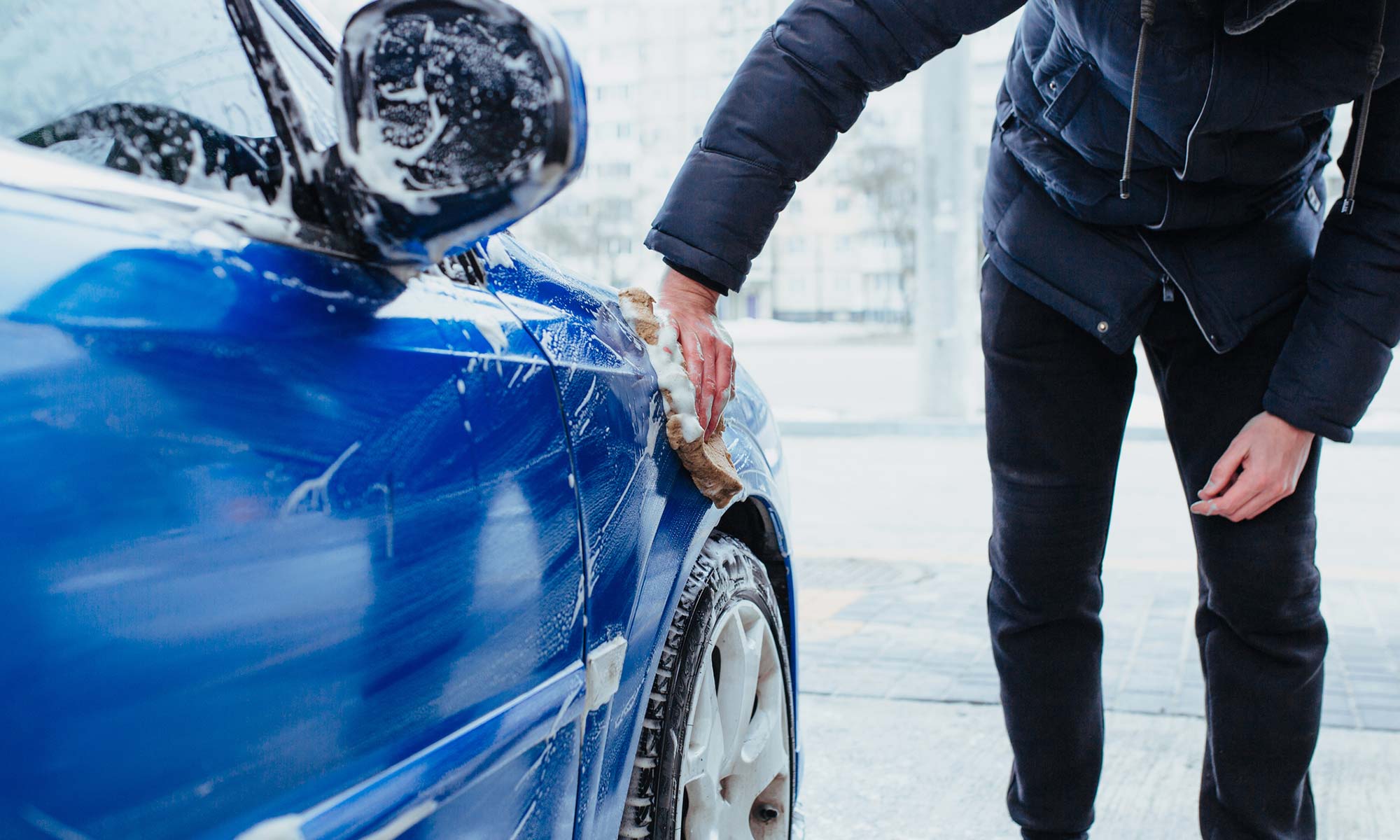
Image Source: www.endurancewarranty.com
The Chill Factor: Why Winter Washing is Tricky
Winter presents a unique set of challenges for car owners who want to keep their vehicles clean. The very element we use to wash – water – becomes a hazard when the temperature drops below 32°F (0°C). While the desire to maintain a pristine car persists year-round, washing car in cold conditions requires a deeper dive into the precautions and potential pitfalls. This isn’t just about aesthetics; it’s about winter car wash safety and preventing costly damage.
Water’s Wicked Ways in Freezing Temperatures
When water meets cold metal and rubber in sub-freezing temperatures, it doesn’t just sit there. It freezes. This might seem obvious, but the implications for your car are far-reaching.
- Ice Formation: Any water left on your car’s paint, glass, door seals, locks, and even in crevices can freeze. This ice can expand, causing stress and potential damage to these components.
- Frozen Locks and Doors: A common and frustrating consequence of washing your car in the cold is finding your doors or locks frozen shut. The water that seeped into the mechanisms can turn into ice, rendering them unusable.
- Paint Damage: Rapid freezing and thawing cycles can be detrimental to your car’s paint. Ice crystals can form within microscopic imperfections in the paint, leading to chipping or cracking over time, especially if the paint is already compromised.
- Rubber and Plastic Degradation: Door seals, window trim, and other rubber and plastic parts can become brittle in freezing temperatures. Repeated exposure to freezing water can exacerbate this, leading to premature wear and tear.
The Myth of the “Quick Wash”
Many people believe that a quick rinse or wash will be harmless. However, even a thin layer of water can freeze rapidly in below-freezing conditions. The key phrase to remember is freezing temperatures car wash – it signals the need for heightened awareness.
When is it Too Cold to Wash Your Car?
The definitive line is the freezing point of water: 32°F (0°C). However, the practical reality is that even a few degrees above freezing can still pose risks if the temperature is dropping or if there’s a significant wind chill. Washing car during frost conditions is particularly problematic.
Identifying Risky Conditions
- Ambient Temperature: If the air temperature is at or below 32°F (0°C), you are entering risky territory.
- Dropping Temperatures: Even if it’s 35°F (1.7°C) when you start, if the forecast indicates a drop into freezing territory soon after, it’s best to postpone.
- Humidity and Wind: High humidity can make water cling to surfaces longer, increasing the chance of freezing. Wind can accelerate the evaporation of water, but it can also carry moisture that then freezes.
Safe Practices for Cold Weather Car Cleaning
If you absolutely must wash your car in cold weather, or if you’re in a situation where it’s unavoidable, these practices will minimize the risks. This is where winter car detailing freezing precautions become paramount.
The Indoor Advantage: Indoor Car Wash Freezing Weather Solutions
The safest way to wash your car when it’s freezing outside is to utilize an indoor facility.
- Automatic Car Washes: Many automatic car washes are enclosed and heated, providing a controlled environment. This is often the most practical and safest option during winter.
- Self-Service Bays: Some self-service car wash bays offer enclosed and heated spaces, though the water pressure and temperature might not be as consistent as a full automatic wash.
- Professional Detailers: If you’re looking for a thorough clean, a professional detailer with an indoor facility is your best bet. They have the equipment and controlled environment to clean your car safely in any weather.
Outdoor Washing: Proceed with Extreme Caution
If an indoor option isn’t available, and you’re determined to wash your car outdoors, here’s how to mitigate the risks:
Pre-Wash Preparations:
- Choose the Right Time: Opt for the warmest part of the day, typically midday, when the sun is highest.
- Warm Water is Essential: Never use cold tap water. Use the warmest water you can safely manage, ideally from a heated hose or a dedicated car wash heater.
- Minimize Water Usage: Focus on using the least amount of water necessary. A pressure washer with a good nozzle can be more efficient than a garden hose.
- Work Quickly and Efficiently: Have all your supplies ready before you start. The longer the water is on the car, the higher the risk of freezing.
The Washing Process:
- Pre-Rinse Strategically: Start with a pre-rinse to loosen dirt and grime. This will help you use less scrubbing later, reducing contact time with water.
- Use a pH-Neutral Car Wash Soap: Harsh chemicals can strip protective coatings, making your paint more vulnerable.
- Wash in Sections: Don’t try to wash the entire car at once. Work on one panel at a time, rinsing thoroughly before moving to the next.
- Rinse Thoroughly: Ensure all soap residue is removed. Lingering soap can freeze.
- Avoid Lower Undercarriage Washes (if possible): While important for salt removal, intense water pressure on the undercarriage in freezing temps can force water into crevices that may not drain well. If you do, ensure a very thorough drying process.
The Crucial Drying Stage:
This is arguably the most critical step when washing car in cold.
- Immediate and Thorough Drying: As soon as you finish rinsing, dry your car immediately and completely. Use high-quality microfiber drying towels.
- Focus on Vulnerable Areas: Pay extra attention to door jambs, panel gaps, window seals, mirrors, and wheel wells. These are areas where water tends to collect and freeze.
- Use a Leaf Blower or Compressed Air: For stubborn water in crevices, a leaf blower or compressed air can be incredibly effective. This is a key step in winter car detailing freezing prevention.
- Don’t Forget the Locks and Seals: Spray a silicone lubricant or a de-icer into your door locks and around rubber seals to prevent them from freezing shut.
Specific Components to Protect
- Door Locks and Handles: Water can easily enter keyholes and around door handles. Applying a lubricant like WD-40 or a dedicated de-icer is crucial after washing.
- Door Seals: These rubber gaskets keep water and air out. If they freeze, they can tear when you try to open the doors. Gently wipe them dry and consider applying a rubber protectant.
- Windows and Windshield Wipers: Ensure your wipers are lifted off the windshield after drying to prevent them from freezing to the glass.
- Wheels and Brakes: Water can collect in the nooks and crannies of your wheels and around brake components. Make sure these areas are dried thoroughly.
- Fuel Door: If your fuel door has a locking mechanism or a seal, ensure it’s dry to prevent freezing.
The Risks of Frost on Car Wash
If you notice frost on car wash surfaces or condensation that begins to freeze, you’ve already encountered a problem.
What to Do if Water Freezes
- Don’t Force It: If your doors or locks are frozen, do not try to force them open. This will likely cause damage.
- Warm it Up: Try using a hairdryer on a low setting to gently warm the affected area. Avoid using hot water directly, as the rapid temperature change can crack glass.
- De-icer is Your Friend: Keep a can of automotive de-icer in your car. It can be sprayed on locks, windows, and seals to melt ice.
When to Leave it to the Professionals
For many car owners, especially those who aren’t experienced with cold weather car cleaning, it’s often best to let the professionals handle it during winter.
Benefits of Professional Winter Detailing
- Expertise: Professionals know how to handle the challenges of winter car detailing freezing conditions.
- Equipment: They have specialized tools like heated water systems, pressure washers with temperature control, and high-powered dryers.
- Products: They use winter-specific products that can protect your car’s surfaces from the elements.
Alternatives to Traditional Washing in Freezing Weather
If you’re looking for ways to keep your car clean without the risks of traditional car washing below freezing, consider these alternatives:
Waterless Wash
- How it Works: Waterless wash products are sprays that encapsulate dirt, allowing you to wipe it away safely with microfiber towels.
- Pros: Uses minimal to no water, very convenient, good for light dust and grime.
- Cons: Not effective for heavily soiled vehicles or thick mud/salt. Requires many towels to avoid scratching.
Rinseless Wash
- How it Works: A special polymer-based soap is added to a bucket of water. You wash a section with a wash mitt, then dry it immediately with a microfiber towel. No final rinse is needed.
- Pros: Uses significantly less water than a traditional wash, effective for moderately dirty cars.
- Cons: Still requires a bucket and towels; not ideal for extremely dirty cars.
Car Wash Mitts and Sprays
- For Light Dust: If your car only has a light dusting of snow or road salt that hasn’t bonded yet, you can use a snow brush or a soft-bristle brush with a gentle spray of water to lift it. Ensure immediate drying.
Frequently Asked Questions (FAQ)
Q1: Can I wash my car if the temperature is 35°F (1.7°C)?
While slightly above freezing, it’s still risky. Water can evaporate slowly and then freeze, especially in door seals or lock mechanisms. If you must wash, dry your car immediately and thoroughly, paying close attention to all seals and crevices.
Q2: Is it safe to use a high-pressure washer in freezing temperatures?
Using a high-pressure washer outdoors in freezing temperatures is generally not advisable unless you are extremely careful. The high pressure can force water into tiny gaps where it can freeze and expand. If you do use one, ensure the water is warm and you dry the car immediately and meticulously.
Q3: What’s the best way to remove salt from my car in winter?
The best method is to use a car wash that can effectively rinse the salt away. If washing yourself, a thorough rinse with warm water, followed by immediate drying, is crucial. Using a rinseless wash or a waterless wash can also help remove light salt residue. Never use abrasive brushes or dry wiping on salty surfaces, as this can scratch the paint.
Q4: My car is frozen shut after washing. What should I do?
Do not force the doors or locks. Use a hairdryer on a low setting to gently warm the frozen area. Alternatively, an automotive de-icer spray can be effective. Once open, make sure to thoroughly dry the seals and locks and apply a lubricant to prevent future freezing.
Q5: Can I wash my car in my garage if it’s freezing outside?
Yes, if your garage is heated or at least above freezing, it provides a much safer environment for washing your car. Ensure you have proper ventilation if you’re using cleaning chemicals.
Final Thoughts: Prioritize Protection
While the desire to keep your car looking its best is understandable, can you wash a car in winter safely without taking precautions? The answer is a resounding no, unless you’re willing to accept the risks. The truth about cold weather car cleaning is that it demands more care, attention, and often, the use of specialized methods or facilities. Prioritizing winter car wash safety will save you from potentially expensive repairs and the frustration of a frozen vehicle. When in doubt, it’s always better to wait for warmer temperatures or opt for a professional indoor service.