Can you wash a car after body repair? Yes, you absolutely can, and it’s crucial for preserving new car paint after repair and maintaining car finish after bodywork. This guide will walk you through the best practices for car detailing after bodywork, ensuring your vehicle looks its best and its new finish stays protected. We’ll cover everything from the initial stages of post-collision car care to the finer points of automotive detailing after auto repair.
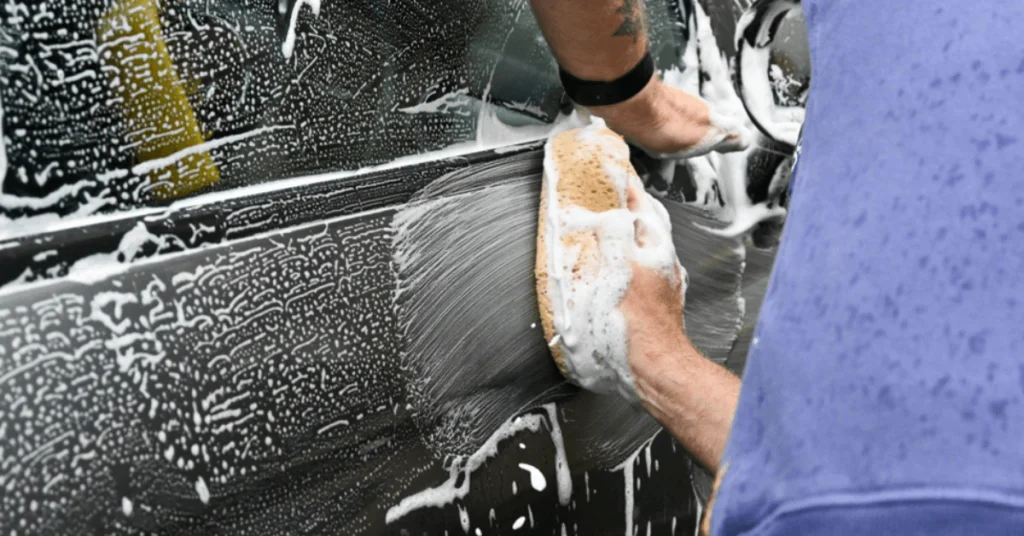
Image Source: i.vevor.net
The Importance of Proper Post-Repair Cleaning
When your car has undergone body repair, a thorough cleaning isn’t just about aesthetics; it’s about protection. Newly painted surfaces, fresh fillers, and even new panels are more vulnerable to environmental contaminants than a factory-finished vehicle. Dust, dirt, tree sap, bird droppings, and road salt can etch into the fresh paint or sealant if left unchecked. Proper cleaning and detailing help to seal and protect these vulnerable areas, extending the life and beauty of the repair.
Think of it this way: the body shop has done their part to make your car look new again. Now it’s your turn to be a good custodian of that fresh finish. This means moving beyond a quick drive-through wash and embracing a more meticulous approach to car wash after dent repair or cleaning after car painting.
Why a Regular Wash Isn’t Enough
A standard car wash at an automatic tunnel might seem convenient, but it can actually do more harm than good to a recently repaired vehicle.
- Harsh Brushes: The spinning brushes in automatic washes can be abrasive and can cause swirl marks or even scratch new paint, especially if they have residual grit from previous vehicles.
- High-Pressure Water: While effective at removing dirt, overly aggressive high-pressure washing can sometimes force water into areas that aren’t fully sealed yet, or even damage delicate trim pieces.
- Chemicals: Some car wash soaps contain harsh detergents that can strip protective waxes or sealants, leaving the new paint exposed.
This is why a more gentle and targeted approach, often referred to as car detailing after bodywork, is highly recommended.
Initial Steps: What to Do Before Washing
Before you even think about soap and water, there are a few crucial steps to take. These are vital for post-collision car care and setting the stage for a successful paint repair cleaning.
Consult Your Body Shop
The most important first step is to speak with your body shop. They will provide specific instructions based on the type of repair and paint used.
- Paint Curing Times: Different paint systems have different curing times. Some may be ready for a gentle wash after 24-48 hours, while others might require a week or more.
- Waxing and Sealant Restrictions: They will also advise on when it’s safe to apply waxes, sealants, or ceramic coatings. Applying these too early can trap solvents and prevent the paint from fully hardening.
- Special Cleaning Agents: They might recommend specific cleaning agents or products that are safe for the fresh finish.
Inspect the Repair Area
Take a close look at the repaired sections.
- Visible Contaminants: Are there any stubborn residues, overspray, or protective films that need to be removed gently?
- Uneven Surfaces: Sometimes, minor imperfections might be visible. These are best addressed by the body shop if they are significant, but light dust can be handled during the cleaning process.
Gather Your Supplies
Having the right tools and products is essential for effective automotive detailing after auto repair.
- Two Buckets: One for soapy water, one for rinsing your wash mitt. This prevents dirt from being reintroduced to the paint.
- pH-Neutral Car Wash Soap: Avoid harsh detergents. Look for soaps specifically designed for car washing.
- Microfiber Wash Mitt: Soft and absorbent, reducing the risk of scratches.
- Microfiber Drying Towels: Plush, absorbent towels designed to dry your car without scratching.
- Wheel Cleaner: A dedicated cleaner for your wheels and tires.
- Glass Cleaner: For streak-free windows.
- Detailing Brushes: For cleaning intricate areas like grilles and badges.
- Optional: Clay bar and lubricant, spray wax or sealant.
The Gentle Washing Process: Step-by-Step
This is where the meticulous car detailing after bodywork truly begins. The goal is to remove contaminants without damaging the new paint.
Step 1: Pre-Rinse
- Start by rinsing the entire car with a gentle stream of water. This removes loose dirt and debris, minimizing the risk of scratching during the wash phase.
- Use a hose with a spray nozzle set to a moderate flow. Avoid using a high-pressure washer directly on the newly painted areas.
Step 2: Washing the Body Panels
- Fill one bucket with your pH-neutral car wash soap and water, and the other with clean rinse water.
- Dunk your microfiber wash mitt into the soapy water.
- Wash the car from top to bottom. This ensures that dirtiest water runs off the areas you haven’t cleaned yet.
- Wash one section at a time (e.g., the roof, then a door).
- After washing a section, rinse the wash mitt thoroughly in the clean water bucket before dipping it back into the soapy water. This is the “two-bucket method” and is crucial for preventing scratches.
Step 3: Cleaning Wheels and Tires
- Wheels and tires are typically the dirtiest parts of a car and should be cleaned separately to avoid transferring brake dust and grime back onto the paint.
- Use a dedicated wheel cleaner. Always follow the product’s instructions, and test on an inconspicuous area first, especially on delicate alloy finishes.
- Use a separate wash mitt or brush for wheels.
- Rinse the wheels thoroughly.
Step 4: Rinsing the Car
- Once the entire car is washed, rinse it thoroughly from top to bottom.
- Ensure all soap residue is removed. You can use a gentle stream of water or a soft brush to help dislodge any remaining soap from crevices.
Step 5: Drying the Vehicle
This is a critical step for preserving new car paint after repair. Improper drying can lead to water spots and swirl marks.
- Use High-Quality Microfiber Drying Towels: These are designed to absorb a large amount of water quickly and gently.
- Pat Dry or Gently Wipe: Avoid aggressive rubbing. You can either gently pat the water off the surface or carefully wipe in one direction with the towel.
- Work from Top to Bottom: Similar to washing, dry from the top of the car downwards.
- Use Multiple Towels: Don’t try to dry the entire car with a single towel, especially on larger vehicles. Switch to a dry towel when the current one becomes saturated.
- Open Doors and Trunks: Don’t forget to open doors, the trunk, and the hood to dry the edges of panels and any water that may have pooled in crevices.
Advanced Detailing Techniques for Longevity
Beyond the basic wash, several automotive detailing after auto repair steps can significantly enhance the protection and appearance of your car’s new finish. These are part of effective detailing services post body shop.
Clay Bar Treatment
If the body shop has advised it’s safe (usually after a week or two, or when they say so), a clay bar treatment can remove bonded contaminants that even washing can’t eliminate.
- Purpose: Clay bars are designed to gently lift embedded contaminants like industrial fallout, rail dust, and overspray from the paint surface.
- Process: You’ll need a clay bar and a clay lubricant spray. Spray a section of the paint with the lubricant, then gently glide the clay bar over the lubricated surface. You’ll feel the clay grab and release the contaminants. Fold the clay frequently to expose a clean surface.
- Caution: Always use plenty of lubricant, and never use a clay bar on a dry surface.
Polishing (Optional, Consult Body Shop)
Polishing is a more aggressive process designed to remove minor imperfections like swirl marks or holograms.
- When to Polish: This should only be done if there are visible imperfections and only after confirming with your body shop that the paint is fully cured and ready for this step.
- Method: Polishing is typically done with a machine polisher and a polishing compound. It’s a delicate process that requires skill. If you’re not experienced, it’s best to leave this to a professional detailer.
Applying Protection: Wax, Sealant, or Ceramic Coating
This is the final, and arguably most important, step in preserving new car paint after repair.
- Wax: Offers a warm, deep shine and provides a layer of protection. Requires reapplication every few weeks to a couple of months.
- Paint Sealant: A synthetic product that offers longer-lasting protection than wax, typically lasting 4-6 months. Often provides a sharper, more reflective shine.
- Ceramic Coating: A much more durable synthetic coating that bonds with the paint at a molecular level. Properly applied, it can last for years, offering superior protection against UV rays, chemical etching, and minor scratches. This is often the preferred choice for maintaining car finish after bodywork.
Table: Protection Options After Body Repair
| Protection Type | Durability | Ease of Application | Shine/Depth | Cost | Best For |
|---|---|---|---|---|---|
| Wax | Short (1-3 mo) | Easy | Warm, Deep | Low | Frequent protection, classic look |
| Sealant | Medium (4-6 mo) | Moderate | Sharp, Reflective | Moderate | Longer-lasting than wax, good balance |
| Ceramic Coating | Long (1-5+ yrs) | Difficult (DIY) / Professional | Intense Gloss | High | Maximum durability and protection, professional finish |
Important Note: Always ensure the paint is fully cured and the body shop has given the OK before applying any of these protective layers.
Specific Scenarios: Car Wash After Dent Repair vs. Full Paint Job
The approach might vary slightly depending on the nature of the repair.
Car Wash After Dent Repair
If the repair involved only dent removal without repainting:
- Focus: The primary concern is removing any residues from the repair process (e.g., polishing compounds, masking tape adhesive) and general grime.
- Cleaning: A standard, gentle wash (as described above) is usually sufficient. Pay attention to any areas where the paint might have been stressed or if clear coat was buffed.
- Protection: Applying a spray wax or sealant is a good idea to add a protective layer over the existing finish.
Cleaning After Car Painting
When a full repaint has occurred, the precautions are much higher.
- Focus: Protecting the integrity of the new clear coat and base coat is paramount. Curing time is critical.
- Washing: Follow the body shop’s advice religiously regarding the first wash. Use the two-bucket method and the gentlest products.
- Drying: Use the softest microfiber towels and avoid any harsh rubbing.
- Protection: This is where applying a high-quality sealant or ceramic coating becomes highly beneficial for preserving new car paint after repair.
Maintaining Your Car’s Finish Long-Term
Once your car is cleaned and protected post-repair, ongoing maintenance is key to maintaining car finish after bodywork.
Regular Washing
- Wash your car regularly, ideally every two weeks, to prevent contaminants from bonding to the paint.
- Continue to use the two-bucket method and microfiber wash mitts.
Environmentally Aware Parking
- If possible, park away from trees that drop sap or fruit.
- Avoid parking under areas where birds are likely to perch.
- Be mindful of industrial areas that might have fallout.
Quick Cleaning for Bird Droppings and Sap
- These are acidic and can etch into paint very quickly.
- Keep a dedicated car cleaning spray and microfiber towels in your car for immediate spot cleaning. Gently wipe away the offending substance.
Periodic Protection Refresh
- Reapply wax or sealant as recommended by the product manufacturer.
- If you have a ceramic coating, follow the manufacturer’s instructions for maintenance, which might include special rinseless washes or booster sprays.
Frequently Asked Questions (FAQ)
Q1: How long after body repair can I wash my car?
A1: This varies depending on the type of paint and repair. Always consult your body shop for their specific recommendations, but generally, wait at least 24-72 hours for a basic wash and potentially 30-90 days before applying waxes or sealants, unless advised otherwise.
Q2: Can I use an automatic car wash after body repair?
A2: It is generally not recommended, especially with new paint. The abrasive brushes and harsh chemicals in automatic washes can damage the fresh finish. Hand washing is the safest option.
Q3: What should I do about overspray on my car after a repaint?
A3: If you notice overspray that wasn’t there before the repair, contact your body shop. They should address this as part of the repair process. If it’s very minor and the paint is cured, a gentle clay bar treatment might help, but always check with the shop first.
Q4: Is it okay to wax a newly painted car?
A4: Not immediately. The paint needs time to cure. Applying wax too soon can trap solvents, preventing the paint from hardening properly. Wait for your body shop’s explicit approval, which could be anywhere from 30 to 90 days.
Q5: What are the best products for cleaning after car painting?
A5: Use pH-neutral car wash soaps, microfiber wash mitts, and plush microfiber drying towels. For protection, consider a high-quality synthetic sealant or a professional ceramic coating once the paint has fully cured.
By following these pro tips for car detailing after bodywork, you’ll ensure your vehicle not only looks pristine after repairs but also that the new finish is protected for years to come, making the most of your post-collision car care.