A car fails an emissions test primarily because its exhaust system is releasing too many pollutants into the atmosphere. These pollutants can include hydrocarbons (HC), carbon monoxide (CO), and oxides of nitrogen (NOx), all of which contribute to air pollution and health problems. Can I drive my car if it fails emissions? Generally, no. Most states require vehicles to pass an emissions test to be registered. If your car fails, you’ll likely need to get it repaired and retested to legally operate it.
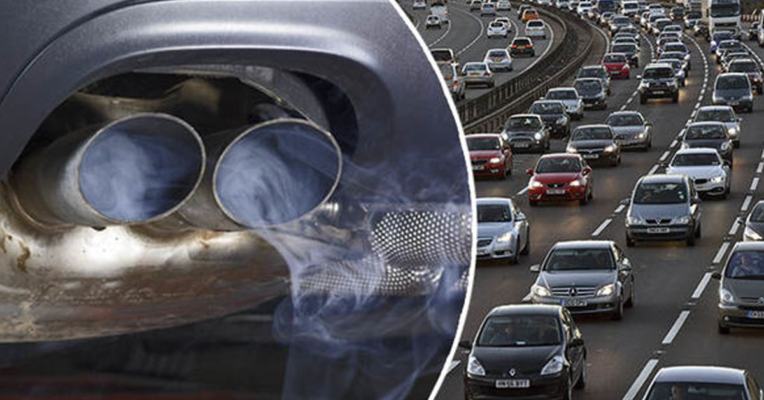
Image Source: carorbis.com
Decoding Emissions Test Failures: What’s Going Wrong?
When your vehicle doesn’t meet the required emissions standards, it signals that something in its complex systems isn’t working as it should. The goal of an emissions test is to ensure your car isn’t a significant contributor to air pollution. A failure means your car is emitting more harmful gases than allowed by law. This isn’t just a bureaucratic hurdle; it’s a sign that your car’s engine and its supporting systems might not be running efficiently, potentially leading to reduced fuel economy and increased wear and tear on your vehicle.
The Core Components: How Your Car Breathes Clean Air
Your car’s emissions control system is a sophisticated network designed to minimize the release of harmful gases. Key players include the engine control unit (ECU), fuel injectors, the exhaust system, and various sensors. When these components function harmoniously, your car runs cleaner. However, as vehicles age or encounter issues, these systems can falter, leading to a failed emissions test.
Common Culprits Behind a Failed Emissions Test
Several factors can lead to your car failing this crucial inspection. Identifying the root cause is the first step toward getting your vehicle back on the road legally and running its best.
1. Dirty Catalytic Converter: The Unsung Hero of Clean Air
The catalytic converter is a vital part of your exhaust system. It looks like a metal canister and works by using precious metals (like platinum, palladium, and rhodium) to convert harmful exhaust gases into less harmful substances.
- How it works: It converts toxic carbon monoxide (CO) into carbon dioxide (CO2), unburned hydrocarbons (HC) into carbon dioxide and water (H2O), and nitrogen oxides (NOx) into nitrogen (N2) and oxygen (O2).
- Why it fails: A catalytic converter can become “dirty” or clogged due to several reasons, including:
- Engine Misfires: If your engine misfires, unburned fuel enters the catalytic converter. This fuel burns inside the converter, generating excessive heat that can melt and damage the internal honeycomb structure.
- Contaminated Fuel or Oil: Using the wrong type of fuel or burning oil (due to worn piston rings or valve seals) can deposit contaminants on the converter’s precious metal catalysts, reducing their effectiveness.
- Overheating: Prolonged engine overheating can also damage the catalyst.
- Symptoms of a failing catalytic converter:
- Reduced engine performance and acceleration.
- Rotten egg smell from the exhaust.
- The “Check Engine” light illuminates.
- Failed emissions test, often with high HC and CO readings.
2. Faulty Oxygen Sensor: The Brains of the Fuel Mixture
The oxygen sensor (O2 sensor) is a crucial sensor in your exhaust system. It measures the amount of unburned oxygen in your exhaust gases. This information is sent to the ECU, which uses it to adjust the air-fuel mixture.
- Its role: An optimal air-fuel ratio (around 14.7 parts air to 1 part fuel) ensures efficient combustion and minimizes emissions.
- Why it fails: Over time, O2 sensors can become fouled by carbon deposits, oil, or coolant. They can also simply wear out.
- Impact of a faulty O2 sensor:
- Incorrect Air-Fuel Mixture: If the sensor reports too much or too little oxygen, the ECU will adjust the fuel delivery accordingly, leading to either a rich (too much fuel) or lean (too little fuel) mixture.
- Rich Mixture: This can cause increased CO and HC emissions and can damage the catalytic converter over time.
- Lean Mixture: This can lead to increased NOx emissions and engine overheating.
- Symptoms:
- Poor fuel economy.
- Rough idling.
- Hesitation during acceleration.
- Illuminated “Check Engine” light.
- Failed emissions test, often with elevated HC, CO, or NOx.
3. Worn Spark Plugs: The Igniters of Combustion
Spark plugs are responsible for igniting the air-fuel mixture in your engine’s cylinders. They provide the spark that starts the combustion process.
- Their function: Each spark plug needs to create a strong, consistent spark at the right time.
- Why they fail: Over time, the electrodes on spark plugs can wear down, become fouled with carbon or oil, or develop cracks in their ceramic insulators.
- Consequences of worn spark plugs:
- Incomplete Combustion: Worn spark plugs may not ignite the air-fuel mixture completely, leading to unburned fuel (hydrocarbons) in the exhaust.
- Engine Misfires: A weak or absent spark can cause a cylinder to not fire at all, leading to engine misfires.
- Reduced Fuel Efficiency: Inefficient combustion means your engine has to work harder and uses more fuel.
- Symptoms:
- Rough idling.
- Hesitation or stumbling during acceleration.
- Reduced engine power.
- Increased fuel consumption.
- Illuminated “Check Engine” light, often with misfire codes.
- Failed emissions test, particularly high HC readings.
4. Unmetered Air Intake: Leaks Disrupt the Balance
Your engine’s performance relies on a precise mixture of air and fuel. “Unmetered air” refers to air that enters the engine’s intake system after the mass airflow (MAF) sensor or throttle body.
- How it happens: Leaks can occur in vacuum hoses, intake manifold gaskets, throttle body gaskets, or even in the PCV (Positive Crankcase Ventilation) system.
- Impact on the air-fuel ratio: When unmetered air enters the engine, it leans out the air-fuel mixture. The MAF sensor measures the air entering the system, and the ECU calculates the fuel needed based on that measurement. If extra air sneaks in undetected, the ECU injects too little fuel for the actual amount of air being compressed.
- Consequences:
- Lean Condition: This can lead to rough idling, stalling, and increased NOx emissions.
- Engine Misfires: A severely lean mixture can prevent proper combustion.
- Symptoms:
- Rough or unstable idle.
- Stalling, especially when coming to a stop.
- Hesitation on acceleration.
- Pinging or knocking sounds from the engine.
- Illuminated “Check Engine” light, often with lean codes (e.g., P0171, P0174).
5. Exhaust Gas Recirculation (EGR) Problems: Controlling the Heat
The Exhaust Gas Recirculation (EGR) system is designed to reduce NOx emissions. It does this by recirculating a small amount of exhaust gas back into the intake manifold.
- How it helps: When exhaust gas mixes with the fresh air-fuel mixture, it lowers the combustion temperature. High combustion temperatures are a primary cause of NOx formation.
- Why it fails: The EGR valve can become clogged with carbon deposits or stuck open or closed.
- Stuck Open: If the EGR valve sticks open, too much exhaust gas is recirculated, even at idle. This starves the engine of fresh air and can cause rough idling and stalling.
- Stuck Closed or Clogged: If the EGR valve is stuck closed or the passages are blocked, exhaust gas won’t be recirculated. This leads to higher combustion temperatures and increased NOx emissions.
- Symptoms:
- Rough idling or stalling (if stuck open).
- Poor acceleration and engine pinging/knocking (if stuck closed or clogged).
- Illuminated “Check Engine” light, often with EGR-related codes.
- Failed emissions test, particularly with high NOx readings.
6. Engine Misfires: The Rhythm is Off
An engine misfire occurs when one or more of the cylinders fails to combust the air-fuel mixture properly. This disrupts the engine’s smooth operation.
- Causes: Misfires can be caused by many of the issues already discussed, including:
- Worn spark plugs or faulty ignition coils.
- Bad fuel injectors.
- Vacuum leaks (unmetered air intake).
- Low fuel pressure.
- Problems with the EGR system.
- A dirty catalytic converter can also sometimes cause or be a result of misfires.
- Impact on emissions: When a cylinder misfires, raw, unburned fuel and air are expelled into the exhaust system. This significantly increases hydrocarbon (HC) emissions. It can also lead to unburned fuel entering the catalytic converter, potentially damaging it.
- Symptoms:
- Rough idling.
- Shaking or vibrating engine.
- Loss of power.
- Illuminated “Check Engine” light, often accompanied by specific misfire codes for individual cylinders.
7. Fuel System Issues: The Flow Must Be Right
The fuel system is responsible for delivering the correct amount of fuel to the engine. Problems here can significantly impact emissions.
- Fuel Injector Problems: Clogged or leaking fuel injectors can deliver too much or too little fuel, disrupting the air-fuel mixture.
- Clogged Injectors: Lead to a lean mixture and potential misfires.
- Leaking Injectors: Lead to a rich mixture and increased CO and HC emissions.
- Fuel Pump Issues: A weak fuel pump can lead to low fuel pressure, causing a lean mixture.
- Fuel Filter: A clogged fuel filter can also restrict fuel flow, leading to lean conditions.
- Symptoms:
- Poor acceleration.
- Rough idling.
- Engine stumbling.
- Increased fuel consumption.
- Illuminated “Check Engine” light.
8. Evaporative Emission Control System (EVAP) Failure: Containing Fuel Vapors
The EVAP system is designed to prevent fuel vapors from escaping into the atmosphere from the fuel tank and lines.
- How it works: It captures fuel vapors and routes them to the engine to be burned. Key components include the charcoal canister, purge valve, and vent valve.
- Why it fails:
- Loose Gas Cap: This is the most common and simplest cause of EVAP failure.
- Leaking Hoses or Lines: Cracks or disconnections in the EVAP hoses.
- Faulty Purge Valve or Vent Valve: These valves control the flow of vapors.
- Impact: While EVAP system failures don’t always directly cause failed emissions readings on a tailpipe test, they will almost always trigger the “Check Engine” light, and many inspection stations will fail a vehicle with an illuminated check engine light, regardless of tailpipe results. Some jurisdictions also have specific EVAP system tests.
- Symptoms:
- Illuminated “Check Engine” light.
- Sometimes a gasoline smell around the vehicle.
- Rough idle or stalling in some cases, if the purge valve is stuck open.
The Role of the OBD-II Code Reader: Your Diagnostic Compass
Modern vehicles are equipped with an On-Board Diagnostics (OBD-II) system. This system monitors various components and emissions-related functions of your car.
- What is an OBD-II code reader? It’s a device that plugs into your car’s OBD-II port (usually located under the dashboard) to retrieve diagnostic trouble codes (DTCs) stored by the car’s computer.
- Why it’s essential: When your “Check Engine” light illuminates, it means the OBD-II system has detected a problem. An OBD-II code reader allows you to see specific codes that point to the faulty system or component.
- Common OBD-II Codes and Their Meanings:
| Code Type | Common Examples | Description | Potential Cause(s) |
|---|---|---|---|
| Fuel System | P0171, P0174 | System Too Lean (Bank 1 or Bank 2) | Vacuum leak, faulty MAF sensor, clogged fuel injectors, weak fuel pump, faulty O2 sensor. |
| P0172, P0175 | System Too Rich (Bank 1 or Bank 2) | Leaking fuel injectors, faulty MAF sensor, faulty O2 sensor, clogged air filter. | |
| Ignition System | P0300 – P0308 | Random/Multiple Cylinder Misfire, Cylinder X Misfire | Worn spark plugs, faulty ignition coil, bad spark plug wire, clogged fuel injector, vacuum leak. |
| Emissions Control | P0420, P0430 | Catalyst System Efficiency Below Threshold (Bank 1 or 2) | Dirty catalytic converter, faulty O2 sensors, exhaust leaks. |
| P0130 – P0167 | O2 Sensor Circuit Malfunctions | Faulty oxygen sensor, wiring issues, exhaust leaks near the sensor. | |
| P0440 – P0457 | Evaporative Emission System (EVAP) Control Malfunctions | Loose gas cap, evaporative emission control system failure (leaking hoses, faulty purge valve or vent solenoid). | |
| P0400 – P0409 | Exhaust Gas Recirculation (EGR) Flow Malfunction | Clogged or faulty EGR valve, vacuum leaks affecting EGR operation. |
- Using an OBD-II code reader: While the reader tells you the code, it doesn’t always pinpoint the exact failed part. For example, a P0420 (Catalyst System Efficiency Below Threshold) code could be a dirty catalytic converter, but it could also be due to a faulty rear O2 sensor that’s incorrectly reporting the converter’s performance. Professional diagnosis is often necessary.
What To Do Next: A Step-by-Step Approach to a Passed Test
Facing an emissions test failure can be stressful, but it’s manageable with a systematic approach.
1. Don’t Panic: Revisit the Basics
- Check Engine Light: Is it on? If so, this is your primary clue.
- Gas Cap: Make sure your gas cap is tightened properly. A loose cap is a surprisingly common reason for an EVAP system code and can lead to a failed inspection.
- Recent Fueling: Did you just fill up? Sometimes, the car’s computer needs time to “relearn” after fueling. Drive for a bit (usually 15-20 minutes of mixed driving) to allow the onboard diagnostics to complete their checks.
2. Retrieve Diagnostic Trouble Codes (DTCs)
- Use an OBD-II Code Reader: You can purchase an inexpensive OBD-II code reader or have one read for free at most auto parts stores.
- Interpret the Codes: Use the code numbers (e.g., P0301, P0420) to research the specific problems they indicate. Online resources and repair manuals are invaluable here. Remember, codes often point to a system or circuit issue, not always a specific part. For example, a misfire code (P030x) could be due to worn spark plugs, a faulty coil pack, or a fuel injector issue.
3. Address the Most Likely Causes First
Based on the codes and common emissions failure reasons, prioritize your repairs.
- Ignition System: If you have misfire codes, start with the ignition system. Consider replacing worn spark plugs, spark plug wires, and ignition coils.
- Air Intake: If you have lean codes (P0171, P0174), investigate for unmetered air intake. Check vacuum hoses and intake gaskets for cracks or leaks.
- Oxygen Sensors: If O2 sensor codes are present, replacing the faulty sensor is often the solution. A faulty oxygen sensor directly impacts fuel mixture and emissions.
- Fuel System: If fuel mixture codes are present (rich or lean) without obvious vacuum leaks, consider checking fuel pressure or cleaning/replacing fuel injectors.
- Exhaust System: If codes related to catalyst efficiency (P0420/P0430) appear, and other sensors and ignition components are confirmed good, the dirty catalytic converter is a prime suspect. Exhaust leaks before or near the O2 sensors can also cause these codes.
- EGR System: For NOx issues or driveability problems linked to the EGR, inspect the EGR valve and its passages for carbon buildup or malfunction. Exhaust gas recirculation problems need prompt attention.
4. Perform Necessary Repairs
Once you’ve identified the likely cause, undertake the repairs.
- DIY vs. Professional: Some repairs, like tightening a gas cap or replacing spark plugs, are relatively straightforward for a DIYer. Others, like diagnosing a complex EVAP leak or replacing a catalytic converter, might require professional expertise and specialized tools.
- Use Quality Parts: Opt for reputable brands when purchasing replacement parts.
5. Reset the Check Engine Light and Drive Cycle
- Clearing Codes: After repairs, you’ll need to clear the DTCs using your OBD-II reader.
- Completing the Drive Cycle: The car’s computer needs to perform self-tests called “drive cycles” to confirm that repairs have been successful and that all systems are functioning correctly. This typically involves a mix of city and highway driving. The “Check Engine” light may turn off on its own once the drive cycle is complete and the system is deemed operational. You can often find specific drive cycle procedures for your vehicle make and model online.
6. Re-Test Your Vehicle
- Second Chance: Take your car back for the emissions test.
- If It Fails Again: If it fails again, don’t despair. It likely means the initial diagnosis was incomplete, or another issue has emerged. Revisit the OBD-II codes, consider consulting a trusted mechanic, and be prepared for further troubleshooting.
Frequently Asked Questions (FAQ)
Q1: How long does it take for the car’s computer to reset after a repair?
A1: It depends on the vehicle and the specific tests that need to be run. Typically, it can take anywhere from a few days to a couple of weeks of regular driving (completing a “drive cycle”). Some vehicles have readiness monitors that can be reset by a mechanic using specialized equipment, but this is not always the case.
Q2: Can I drive my car if it failed the emissions test but the Check Engine Light is off?
A2: This is a tricky situation. If the light is off, the OBD-II system might not have detected a current fault, but the car still failed the actual emissions test readings. Most jurisdictions will not allow registration without passing the emissions test itself. It’s best to get the underlying problem fixed to ensure compliance and proper vehicle function.
Q3: My car failed emissions, but it runs fine. Do I still need to fix it?
A3: Yes. Even if your car seems to run well, it’s failing to meet environmental standards. This means it’s releasing excess pollutants, contributing to air quality problems. It also often indicates that components like the catalytic converter or oxygen sensors are not performing optimally, which can lead to more significant and expensive problems down the line, and reduced fuel efficiency.
Q4: Can a faulty fuel cap cause my car to fail emissions?
A4: A faulty or loose fuel cap is a very common cause for an illuminated “Check Engine” light due to an EVAP system leak. While it might not directly cause high readings on a tailpipe emissions test, many inspection stations will fail a car with an active “Check Engine” light. So, indirectly, yes, it can lead to a failed inspection.
Q5: My mechanic said I need a new catalytic converter. Is there anything else that could be causing the P0420 code?
A5: Yes. While a dirty catalytic converter is a frequent culprit for P0420 (Catalyst System Efficiency Below Threshold) codes, other issues can mimic this failure. These include exhaust leaks before or near the O2 sensors, faulty upstream or downstream oxygen sensors, and even engine misfires that are sending unburned fuel into the converter. It’s crucial to have a thorough diagnosis rather than replacing the catalytic converter immediately.
Q6: How often should spark plugs be replaced?
A6: The recommended replacement interval for spark plugs varies greatly by vehicle manufacturer and the type of spark plug used (e.g., platinum, iridium). Many modern vehicles have iridium spark plugs designed to last 100,000 miles or more. However, it’s always best to consult your vehicle’s owner’s manual for the specific maintenance schedule. If you experience engine misfires or poor performance, checking the spark plugs sooner might be advisable.